
How About Guizhou Mobile Toilets
Guizhou mobile toilets excel in solving toilet-related challenges, adapting to complex environments, and meeting emergency needs, demonstrating significant advantages with reasonable design and convenient maintenance.
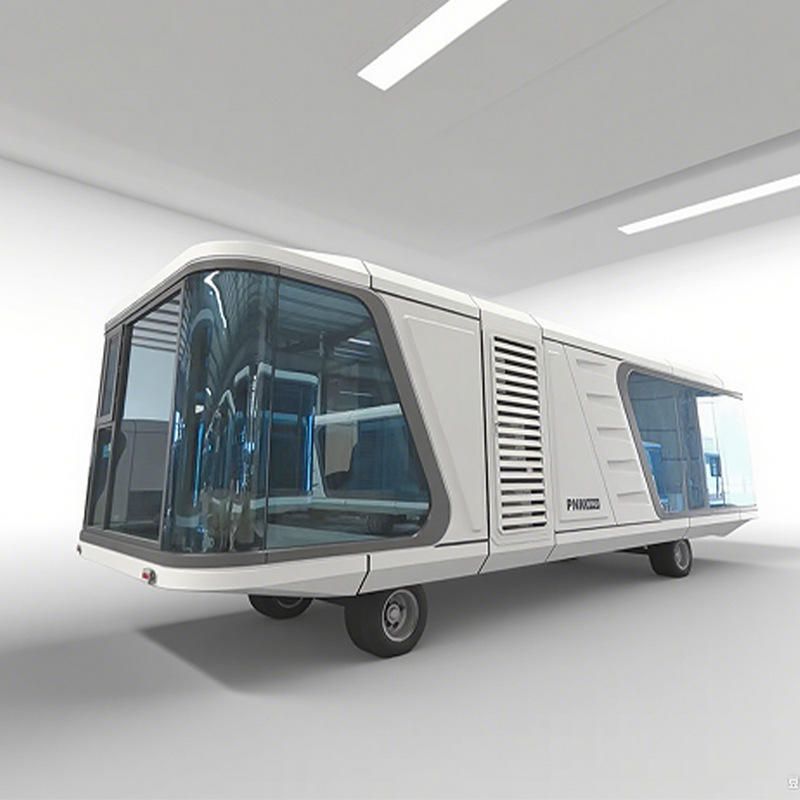
I. Diverse Types for Different Scenarios
The main supplier of mobile toilets in Guizhou is Guiyang Zhiyong Lianchuang Environmental Protection Technology, offering two types of equipment: water-free packing and foam sealing. The water-free packing type does not require water and electricity connections, making it suitable for construction sites without water and electricity, with a single-use cost of approximately 1.6 yuan. The foam sealing type can save 80% of water, is equipped with a smart display, but requires a 220V power connection. This classification design enables flexible application in various scenarios, such as remote construction sites or scenic spots with sufficient power.
II. Prominent Core Advantages
- Solving Queueing Issues in Scenic Spots: Popular scenic spots like Huangguoshu and Xiaoqikong face significant toilet queueing problems due to large tourist volumes. Mobile toilets can be installed and used immediately, with temporary installations during peak seasons to quickly alleviate toilet pressure.
- Adapting to Complex Terrain: Guizhou is predominantly characterized by plateaus and mountains, with widespread karst landforms. The construction cost and difficulty of fixed toilets are high. Mobile toilets do not require large-scale civil engineering, have low site requirements, and can be placed on leveled ground. They can also be hoisted and transported, enhancing resource utilization flexibility.
- Meeting Emergency Needs: In large-scale events or temporary gathering scenarios, mobile toilets can serve as emergency supplements, quickly deployed around the venue to ensure environmental hygiene. After the event, they can be removed without affecting venue functionality.
- Serving Remote Areas and Construction Sites: In remote villages or construction sites for roads and water conservancy projects, mobile toilets can provide transitional solutions, offering sanitation for field workers.
- Eco-Friendly Technologies: Utilizing biodegradation, chemical decomposition, and vacuum suction technologies, mobile toilets convert waste into harmless substances, reducing odors. Some devices use solar power, further minimizing environmental impact.
III. Scientifically Reasonable Design
- Structure and Materials: Lightweight yet sturdy alloys or composite materials are used, resistant to corrosion and easy to clean, suitable for outdoor climates. Box or trailer structures with wheels or slides at the bottom facilitate transportation. The exterior design is simple, blending into the environment, with waterproof and heat-insulated roofs and walls.
- Internal Layout: Independent toilet stalls are equipped with squat or sit toilets, sensor or manual faucets, mirrors, and other facilities, with some featuring barrier-free stalls. Energy-saving lighting and ventilation systems (natural ventilation or mechanical exhaust) reduce odor retention.
IV. Standardized Maintenance and Cleaning
Daily maintenance includes equipment inspection, replenishment of consumables (such as toilet paper and hand sanitizer), and thorough cleaning and disinfection, performed by dedicated personnel using eco-friendly cleaning agents. For waste disposal, connections to municipal sewage networks or independent collection tanks are available, with the latter requiring regular emptying and detailed maintenance records for traceability.



