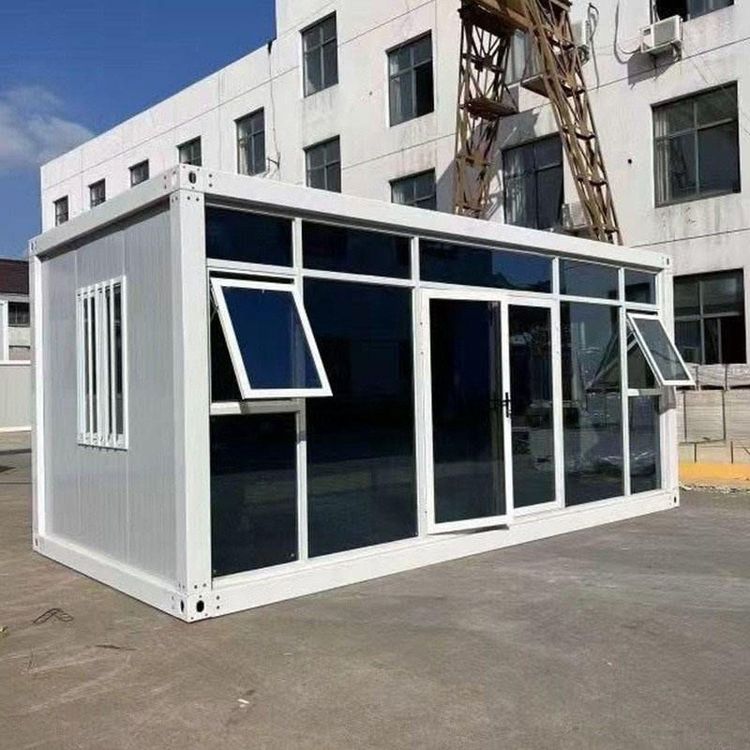
Guizhou Mobile Toilet Outdoor
Guizhou mobile toilets feature flexible deployment, modular design, and strong environmental adaptability in outdoor settings, effectively addressing temporary sanitation needs.

I. Structural and Functional Design
Outdoor mobile toilets in Guizhou are constructed with a main frame made of lightweight, high-strength composite materials, enabling rapid transportation and on-site assembly through modular design. Their internal spaces are optimized, typically including toilet areas, simple handwashing facilities, and ventilation systems. Some models are equipped with water-saving flushing systems or small sewage treatment units, reducing reliance on sewage networks and making them particularly suitable for outdoor settings without fixed drainage facilities. For example, in the mobile restroom rental services provided in Guiyang, some units utilize biodegradation technology to treat waste, further minimizing environmental impact.
II. Outdoor Usage Requirements
- Ground Conditions: A level and sufficiently load-bearing site must be selected to prevent equipment damage caused by ground tilting or subsidence. During outdoor events, drainage channels are typically installed to prevent rainwater backflow and ensure internal dryness.
- Power and Water Supply: Power supply options are flexible, including battery packs, solar panels, or external power sources. Water supply is achieved through built-in water tanks with manual/electric pumps or by connecting to temporary water supply lines. For instance, limited-edition mobile toilets deployed during college entrance exams ensure water supply through temporary water lines.
III. Typical Application Scenarios
- Large-Scale Event Support: At outdoor music festivals, sports events, and other activities held in Guiyang, mobile toilets can be quickly deployed around the venue to meet the temporary needs of large crowds. Their modular design allows for quantity adjustments based on foot traffic density and centralized sanitation management.
- Emergency Scenarios: In natural disasters or public emergencies, mobile toilets serve as temporary sanitation facilities, rapidly restoring basic service functions. For example, earthquake-stricken areas deploy units with built-in sewage treatment to prevent secondary environmental pollution.
- Public Service Support: During college entrance exams in Guiyang, limited-edition mobile toilets are installed outside exam venues the day before the exams and removed afterward, with regular cleaning by sanitation workers to ensure a good experience for examinees and parents.
IV. Technological Advantages and Environmental Sustainability
Mobile toilets reduce water consumption through water-saving technologies and sewage treatment units, while composite material frames lower transportation energy use. Their flexible deployment avoids long-term land occupation associated with traditional public toilet construction, aligning with sustainable usage requirements for outdoor settings in Guizhou.