
Guiyang Simple Mobile Toilet
The Guiyang simple mobile toilet is a type of mobile public toilet, primarily used for temporary sanitation needs in short-term events or specific areas, featuring portability and a short construction period.
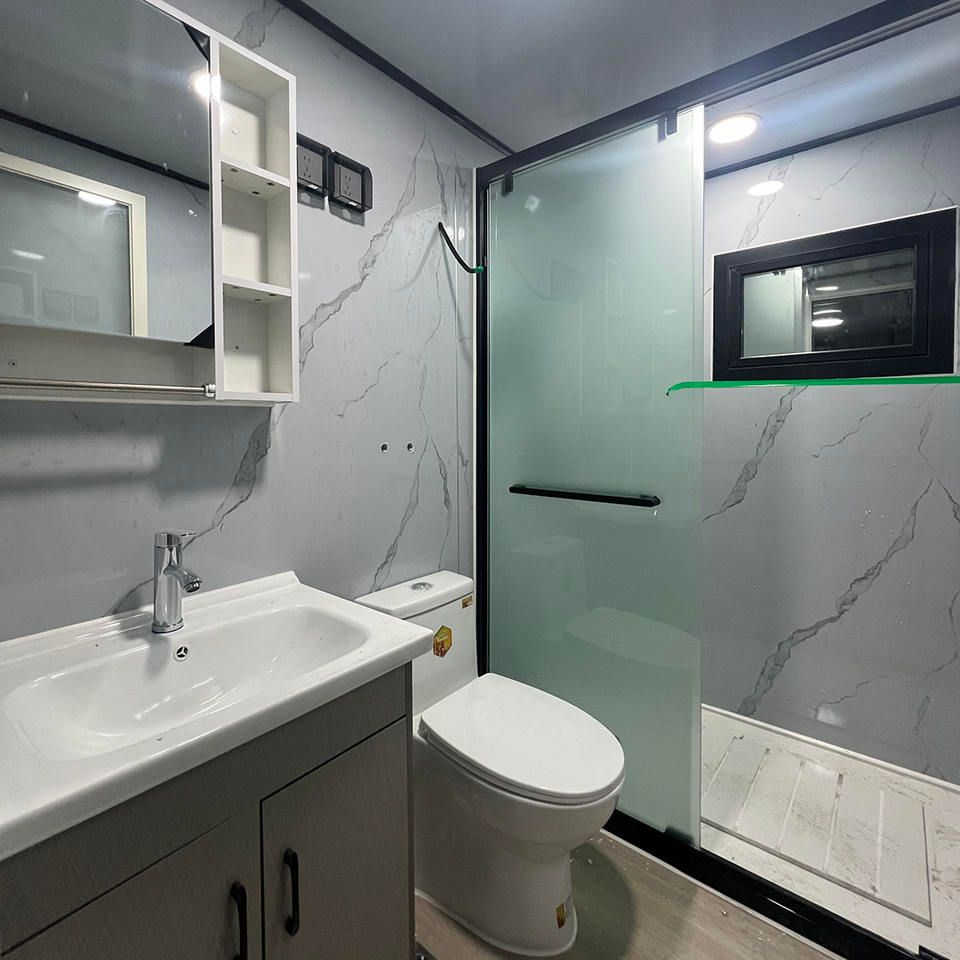
Structural and Functional Characteristics
The frame of the Guiyang simple mobile toilet typically uses lightweight metal materials (such as aluminum alloy or galvanized steel pipes) to form the main support structure, ensuring overall stability while reducing weight for easy transportation and installation. The walls are made of composite panels (such as color-coated steel sheets or fiberglass-reinforced plastic), which provide thermal insulation, waterproofing, and corrosion resistance, making them suitable for outdoor environments. Internally, it is equipped with basic sanitation facilities, including toilets (mostly squat or sit types), sinks, waste storage units (direct storage or with preliminary treatment functions), and integrated ventilation systems (natural or mechanical exhaust) and lighting systems (LED or energy-saving lights). Some models also include deodorization devices to enhance the user experience.
Application Scenarios
Its primary purpose is to serve as a temporary supplement to fixed public toilets, commonly found in the following scenarios:
- Large-scale public events: Such as cultural performances, sports events, and exhibitions, where there is a need to quickly increase sanitation facilities to accommodate a large influx of people in a short time.
- Municipal construction periods: During road repairs, pipeline installations, and other engineering projects, they replace fixed toilets that have been demolished or are unavailable.
- Peak tourist seasons: During holidays or peak tourist seasons, they alleviate the queuing pressure at fixed toilets in tourist attractions.
- Emergency scenarios: Such as after natural disasters, providing temporary sanitation solutions for affected areas.
Rental and Selection Considerations
When renting, the following factors should be comprehensively evaluated:
- Usage duration: For short-term events (e.g., 3-5 days), basic models can be chosen, while long-term use requires consideration of equipment durability.
- Average daily usage: High-traffic scenarios require models with large waste storage capacity and high cleaning frequency.
- Site conditions: In rugged terrain or limited space, compact and flexible models should be selected.
- Water and electricity supply: Models with solar lighting or mechanical ventilation should be chosen if there is no electricity supply; models with water storage units should be equipped if there is no water source.
- Waste treatment: Direct storage models require regular cleaning and transportation, while models with treatment functions can reduce cleaning frequency.
Maintenance and Management
Daily maintenance includes:
- Cleaning and disinfection: Clean at least 1-2 times a day, focusing on disinfecting toilets, sinks, and door handles.
- Consumable replenishment: Regularly replace toilet paper, hand soap, garbage bags, and other consumables.
- Equipment inspection: Ensure that toilet flushing, water valve operation, lighting, and ventilation systems are functioning properly, and promptly repair faulty components.
Compared to fixed public toilets, the core advantages of simple mobile toilets lie in their flexibility and rapid deployment capabilities, but long-term use requires weighing costs against maintenance efficiency.



