Guangzhou Container Renovation House
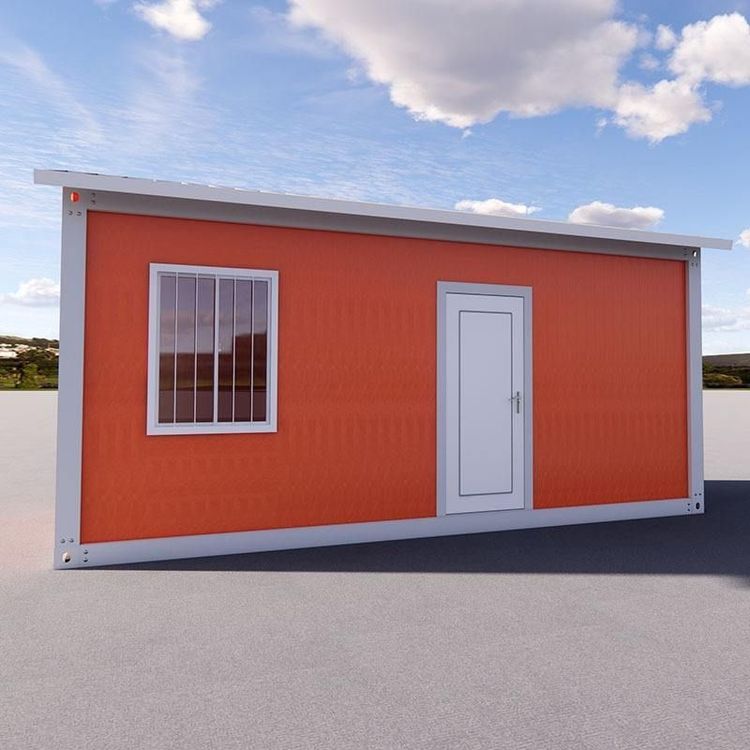
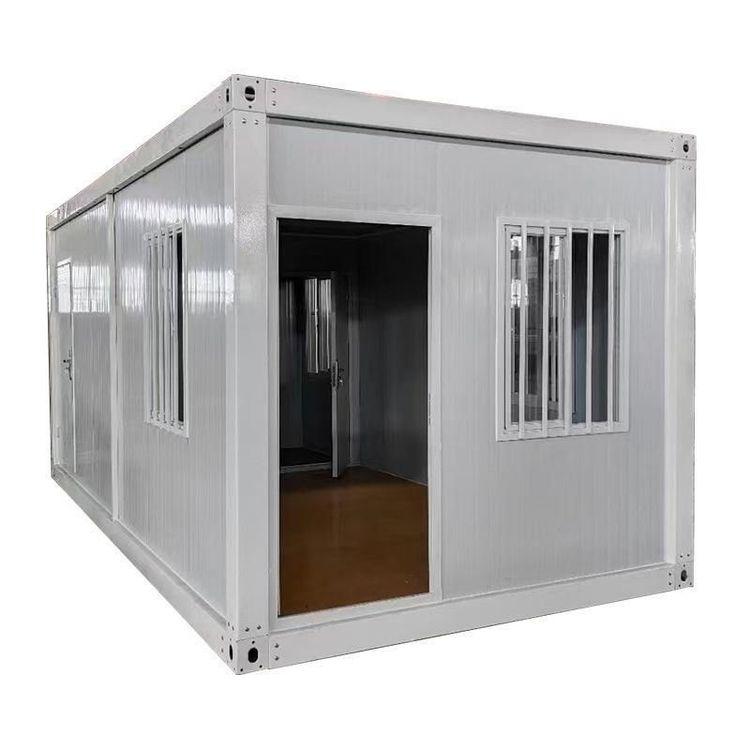
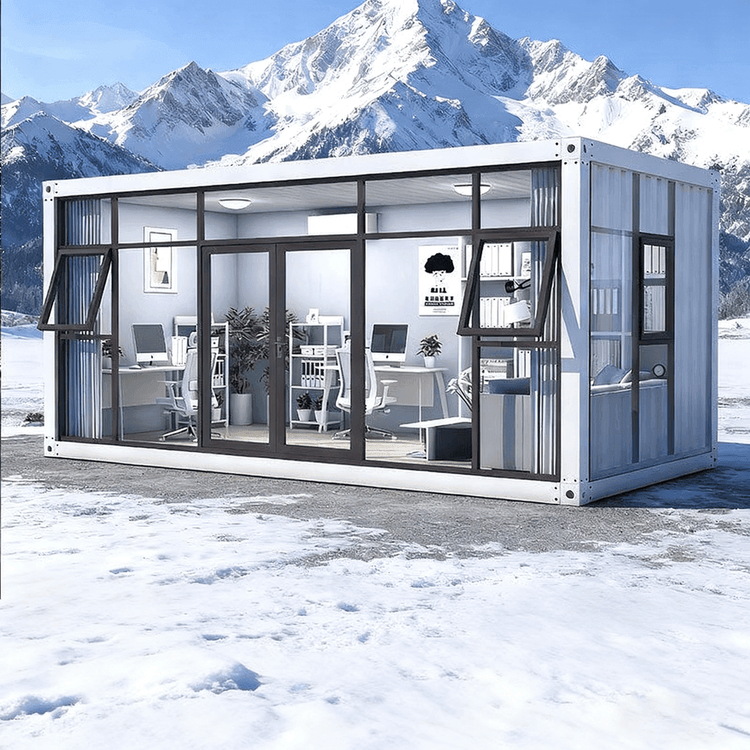
Guangzhou container renovation houses feature diversity, cost-effectiveness, and flexible customization, meeting various needs such as residential, office, and commercial purposes.

I. Renovation Types and Uses
Container renovation houses in Guangzhou encompass various types, including mobile offices for construction sites, sunlit accommodation rooms, rural elderly care homes, homestays, and commercial street stalls. For example, Guangzhou Lingzhi Housing Technology Co., Ltd. offers two-story quick-assembly container houses suitable for construction site accommodation or rural stores; Guangzhou Jinge Steel Structure Engineering Co., Ltd.'s duplex container houses provide up to 80 square meters of usable space after assembly, ideal for residential or office use. Additionally, containers can be transformed into commercial spaces such as KTVs, coffee shops, and milk tea shops, catering to diverse scenarios.
II. Materials and Performance
The primary materials for container renovation houses are galvanized frames and color-steel sandwich panels, offering robust durability, heat resistance (≤50℃), cold resistance (≤-50℃), wind resistance (Level 9), and earthquake resistance (Level 8). For instance, Guangzhou Jinge's products weigh 2600kg and can be assembled by four people in eight hours, with pre-installed electrical wiring for safe and convenient power use. Moreover, container buildings adopt modular designs, facilitating easy disassembly, reuse, and reducing overall costs by 30%-50% compared to traditional buildings, with construction periods shortened by nearly 70%.
III. Customization and Flexibility
Container renovation houses in Guangzhou support personalized customization, including layout, color schemes, and functional configurations. For example, Yuejia Container offers services to customize exterior wall colors while maintaining basic layouts, adapting to different environments like rice fields and lakes; Shanghai Wisdom Bay Science and Technology Innovation Park constructed an 110,000-square-meter creative space using 500 containers, with a unit cost of only 62% of traditional buildings. Furthermore, container buildings can optimize space through folding, expansion, and stacking, such as the community service center in Guangzhou's Tianhe District, which generated 580 square meters of space by stacking three containers while preserving 40% greenery.
IV. Low Carbon and Sustainability
Container renovation houses align with low-carbon trends, with steel recycling rates exceeding 95%, and reducing water usage, concrete waste, and construction debris by 60%, 60%, and 70%, respectively. For example, a container villa in Huzhou, Zhejiang, reduced lifecycle carbon emissions by 52% compared to traditional buildings; Guangzhou's "Green Energy Valley" retired container energy storage station achieved self-sufficiency through photovoltaic roofs, reducing annual carbon emissions by 1200 tons.