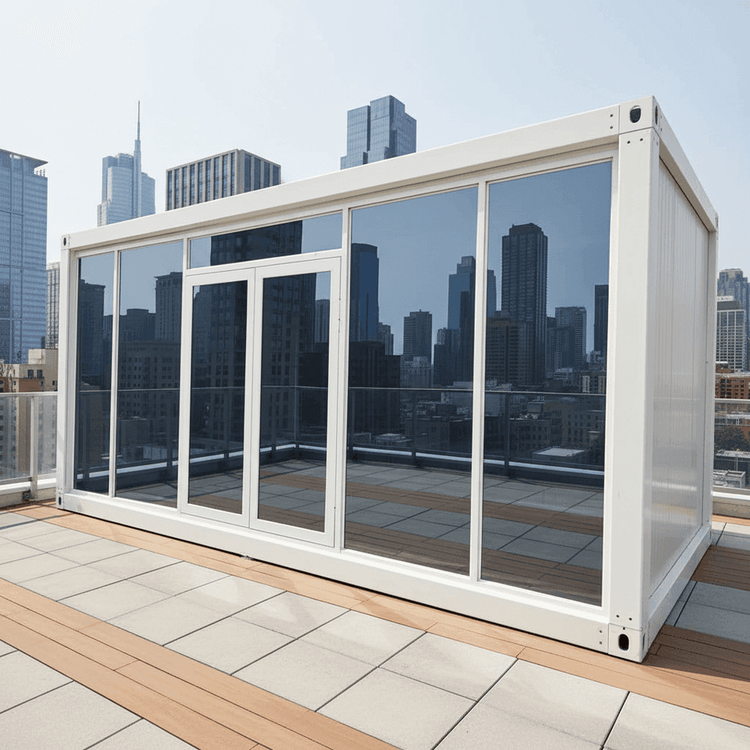
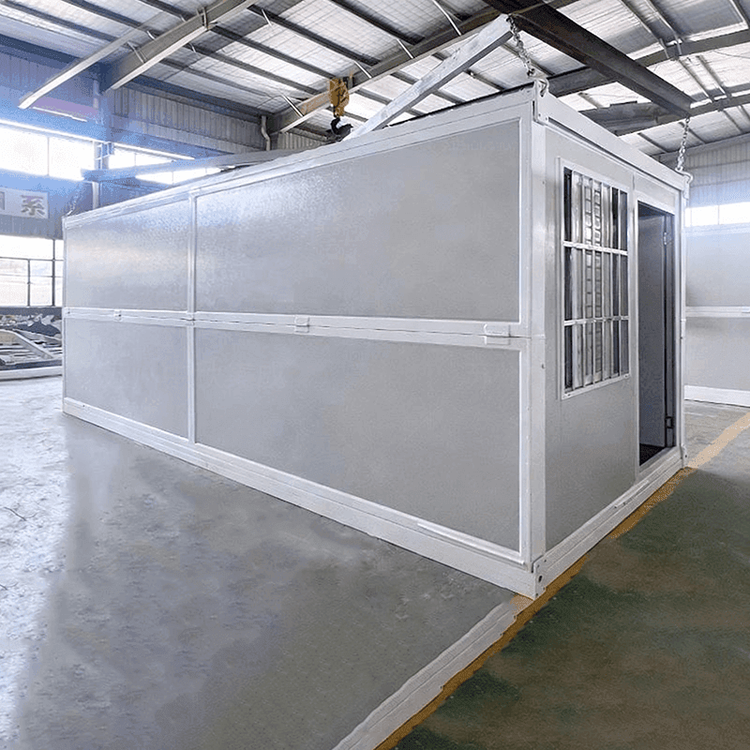
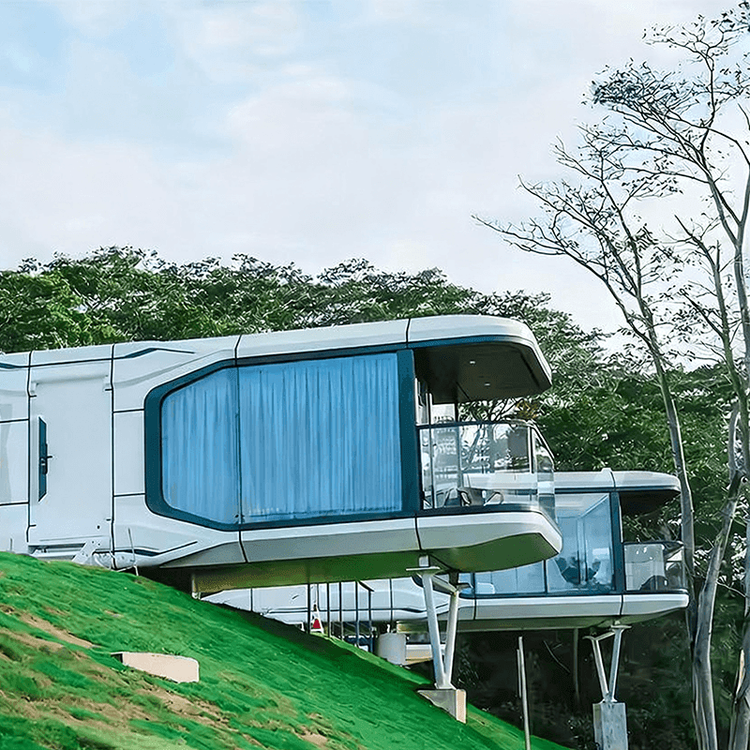
Assembly of Prefabricated Houses in Rural Guangxi
The assembly of prefabricated houses in rural Guangxi primarily employs prefabricated technology, offering advantages such as short construction periods, controllable quality, and environmental protection and energy efficiency. It is suitable for scenarios such as rural housing safety guarantees, dilapidated house renovations, and emergency construction.

Technical Features
Prefabricated integrated houses in Guangxi are mainly constructed with light steel structures, paired with composite insulation wall panels and integrated piping systems, providing thermal insulation, moisture resistance, and earthquake resistance properties. Some high-end products incorporate passive energy-saving designs (such as solar photovoltaic panels and rainwater harvesting systems) as well as digital design (BIM) and intelligent manufacturing technologies, enhancing product precision and customization levels to adapt to subtropical climates and diverse regional cultural needs. For example, the exterior facades of prefabricated rural houses in Maling Town, Lipu City, Guilin, integrate features of northern Guangxi folk residences, such as horse-head walls, sloped roofs, and wooden verandas, balancing cultural heritage with aesthetic enhancement.
Application Effects
- High Construction Efficiency: In the case of Fuchong Village, Sanbao Town, Cenxi City, Wuzhou, a 40-square-meter light steel structure house was installed within 10 days, while the project in Tangli Village, Nalou Town, Yongning District, Nanning, was completed in five to six days, saving more than 50% of the time compared to traditional masonry methods.
- Excellent Performance: The houses adopt dry construction methods, avoiding the generation of construction waste, and can withstand typhoons of force 12 and earthquakes of magnitude 8, with significant thermal insulation properties.
- Complete Functionality: They include complete functional areas such as bedrooms, living rooms, kitchens, and bathrooms, equipped with sanitary fixtures and optimized lighting and ventilation facilities, enhancing living comfort.
Promotion Model
Guangxi promotes the popularization of prefabricated rural houses through a government-led, enterprise-participated model. For example, the Guangxi Housing and Urban-Rural Development Department organized enterprises to participate in housing safety guarantee initiatives, completing the purchase of 1,420 prefabricated rural houses within 20 days and providing them free of charge to disadvantaged families. As of the report, prefabricated rural houses have been promoted in 10 cities, with over 400 installations completed. Most projects have overcome challenges such as transportation difficulties in remote areas and unstable water and electricity supplies, delivering on schedule.
Structural Design
Three options are provided: light steel structures, wooden structures, and concrete structures, to adapt to different geological conditions and living needs:
- Light Steel Structures: Suitable for areas with high earthquake resistance requirements;
- Wooden Structures: Close to traditional folk residence styles, such as the design features of northern Guangxi folk residences;
- Concrete Structures: Meet the durability needs of some regions.
Precautions
- Cost Issues: The actual cost may be higher than the advertised starting price, with additional costs for foundation treatment, transportation, lifting, water and electricity piping, and interior decoration needing to be calculated separately.
- Quality Risks: Some low-priced products may have issues such as poor sound insulation and thermal insulation performance, so it is necessary to choose modular houses or light steel assembly houses that meet standards.