
Container Houses in Beihai, Guangxi
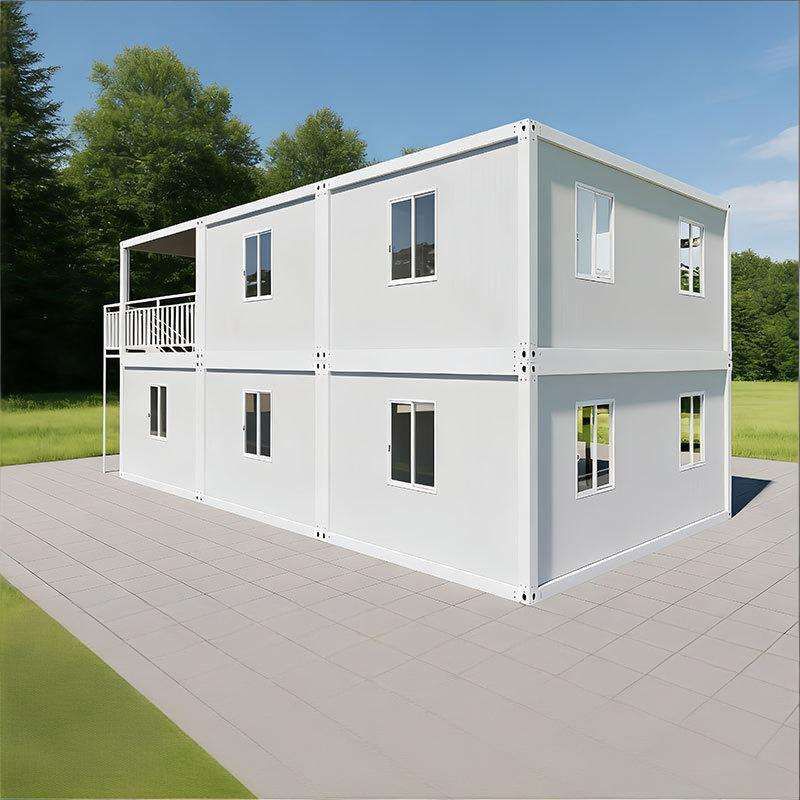
Container houses in Beihai, Guangxi, are residential or functional buildings transformed from retired freight containers. They are characterized by their sturdy structure, short construction period, and flexibility in relocation, but they require adaptive optimization for climate and space.
I. Basic Characteristics and Uses
Container houses are primarily made of steel structures, offering waterproof and moisture-proof properties. They come in standardized sizes (the interior width of a standard container is approximately 2.4 meters, with lengths of 6 meters, 12 meters, etc.). In Beihai, they are used for temporary offices, tourist accommodations, warehousing, and other purposes. Prices vary significantly depending on materials and craftsmanship, with cement movable panel houses costing around 1100 yuan per square meter and energy storage prefabricated container houses reaching up to 2958 yuan per unit.
II. Climate Adaptation Design
Beihai has a maritime climate with high humidity and salt content in the air, necessitating additional anti-corrosion treatment for containers:
- Anti-corrosion Coating: Containers come with built-in anti-corrosion coatings, but in coastal environments, additional specialized protective paint is required and regular maintenance is necessary.
- Ventilation Design: Improve air circulation by adding windows and ventilation facilities to prevent moisture accumulation.
- Thermal Insulation: The issue of rapid heat absorption in summer and heat dissipation in winter can be addressed by adding polyurethane foam or rock wool insulation layers to enhance indoor comfort.
III. Spatial Layout and Renovation Techniques
- Combination and Expansion: Create larger spaces by joining multiple containers, commonly seen in tourist accommodations or office settings.
- Lighting Optimization: Design large windows facing the sea view and focus on openness in interior decoration.
- Technical Details:
- Structural Safety: Reinforce cut openings to ensure load-bearing capacity.
- Electrical System: Use flame-retardant piping for wiring and ensure proper grounding protection.
- Water Supply and Drainage: Design pipelines according to needs, with a focus on waterproofing.
- Foundation Setup: Choose locations with high elevation and good drainage to ensure stability.
IV. Advantages and Limitations
- Advantages: Short construction period (main structure already formed), strong relocatability, and resource recycling (reuse of retired containers).
- Limitations: Limited space in a single container requires clever design to meet needs; sound insulation requires additional materials and selection of quiet locations; long-term maintenance requires checking structural integrity and coating condition.
V. Industry Development Trends
By 2026, the container house industry in Beihai will have become standardized, modular, and green, with core evaluation parameters including structural safety, material craftsmanship, and environmental adaptability. It will exhibit characteristics of "speed, cost-efficiency, greenness, and intelligence," with applications expanding to various sectors of the social economy.



