
Guangning Mobile Toilet Rental
Guangning Mobile Toilets offer rental and leasing services, covering a variety of mobile sanitation facilities, with service outlets nationwide. For inquiries, contact Ms. Chen at mobile: 13085856269 or email: 477570234@qq.com.
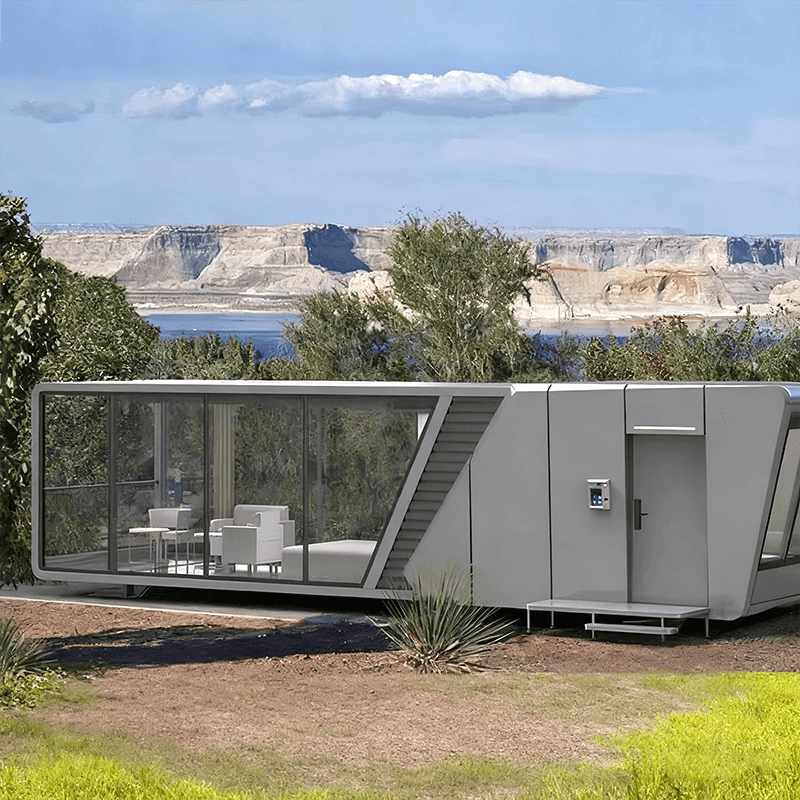
Mobile toilets consist of several core components. The fecal wastewater storage tank (or disposal unit) is a crucial part, used to collect or treat waste to prevent direct environmental pollution. The flooring must be slip-resistant and waterproof to ensure safety. Sanitary fixtures such as toilets and squat pans should be ergonomically designed. Walls are typically made of lightweight, insulating materials that balance strength and portability. Washing facilities include sinks and faucets, with some premium models featuring hand dryers. Water tanks store flushing water, with capacities designed according to usage frequency. The roof must be waterproof and weather-resistant, with some models using transparent materials for better lighting. Mobility devices such as wheels and lifting rings facilitate transportation and installation.
Mobile toilets can be classified in various ways. By structural form, they can be divided into single-unit structures (independent units suitable for small-scale scenarios) and composite structures (multiple units combined for large-scale events). By mobility method, they include hoisting types (requiring lifting equipment), manual transport types (moved by hand or small machinery), powered types (self-propelled with engines), and towed types (connected to vehicles for towing). By wastewater treatment method, they are categorized as water-flush types (requiring a water connection for high cleanliness), waterless vacuum types (using vacuum pumps to suction waste), recirculating water types (reusing water for water conservation and environmental protection), and dry-pack types (using biodegradable bags for waste without water).
Their advantages are significant: mobility allows rapid deployment to temporary locations (such as exhibitions and construction sites); modularity supports adding or removing units based on demand; ease of transportation reduces logistics costs due to modular design; environmental friendliness minimizes pollution through diverse treatment methods; compact size suits areas with limited space; aesthetic design balances practicality and appearance, with some models customizable to blend into the environment; efficient construction involves prefabrication in factories followed by on-site installation, shortening construction time and reducing on-site pollution.



