Good Container Module House
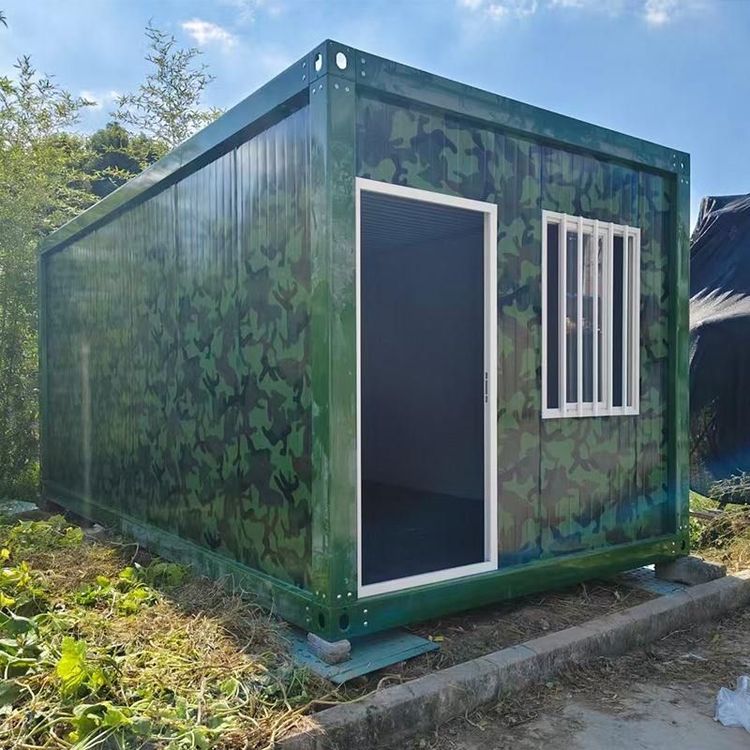
Good container module houses have core advantages such as high-integration prefabrication, stable structure, recyclability, low-carbon environmental protection, and strong scene adaptability. The following is an analysis from three dimensions: technical characteristics, application scenarios, and industry trends.

I. Technical Characteristics: Industrial Prefabrication and Structural Innovation
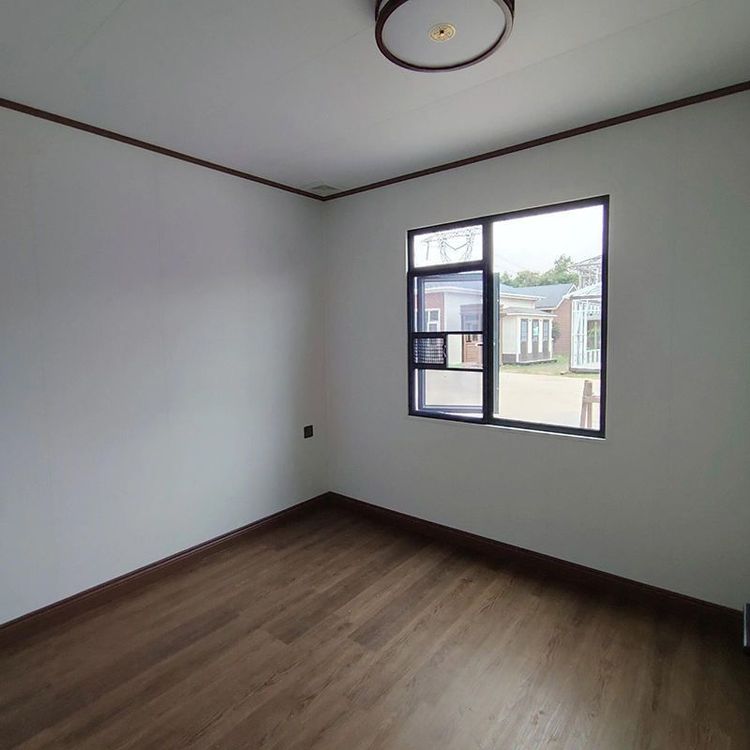
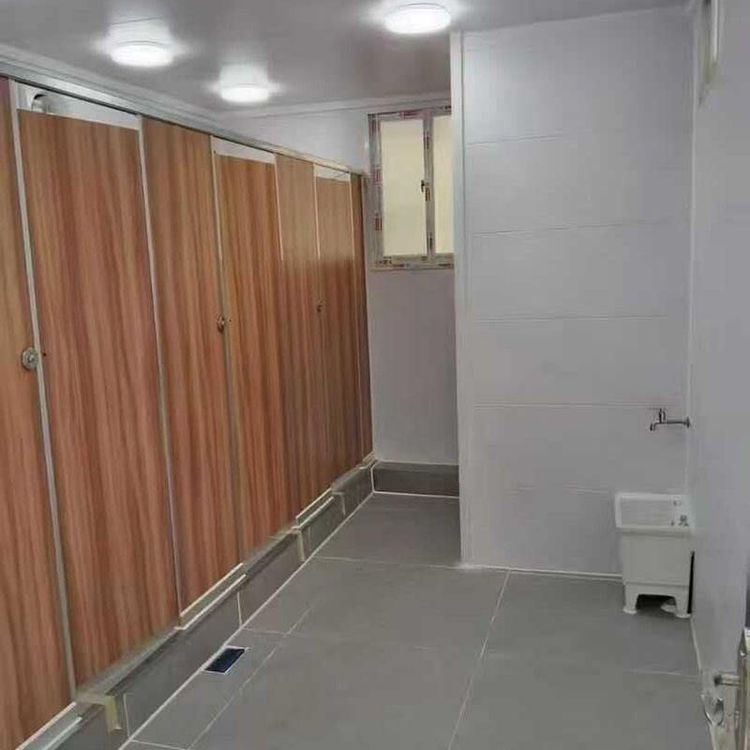
Container module houses complete more than 80% of the processes, including the main structure, water and electricity pipelines, and bathroom equipment, through factory assembly lines, achieving 'building houses like making cars'. For example, a smart factory in Guangdong uses a fully automated production line that can produce 50 modules per day with a precision control of 1-2 millimeters. In terms of structure, leading enterprises generally adopt high-strength steel (such as Q355B) frames, combined with 'wedge-shaped locks + high-strength bolts' connection nodes. In an 8-degree earthquake simulation test, the displacement is only 3 millimeters, which is 40% better than traditional welded nodes. Some products use a three-layer enclosure structure of 'rock wool - air layer - aluminized zinc plate' to reduce the heat transfer coefficient to 0.5 W/(m²·K), significantly improving thermal insulation performance.
II. Application Scenarios: Full Coverage from Engineering Camps to High-end Cultural Tourism
Modular houses have broken through the traditional construction site dormitory scenario and formed multi-gradient solutions:
- Engineering Camps: The products of Suzhou Zhongnan Steel Structure support single-set installation in 2 hours and can complete the delivery of 1,000 accommodation modules in 3 months;
- Emergency Support: After folding, the folding container reduces its volume to 1/5. A single truck can transport 20 sets, and it can be hydraulically unfolded in 5 minutes;
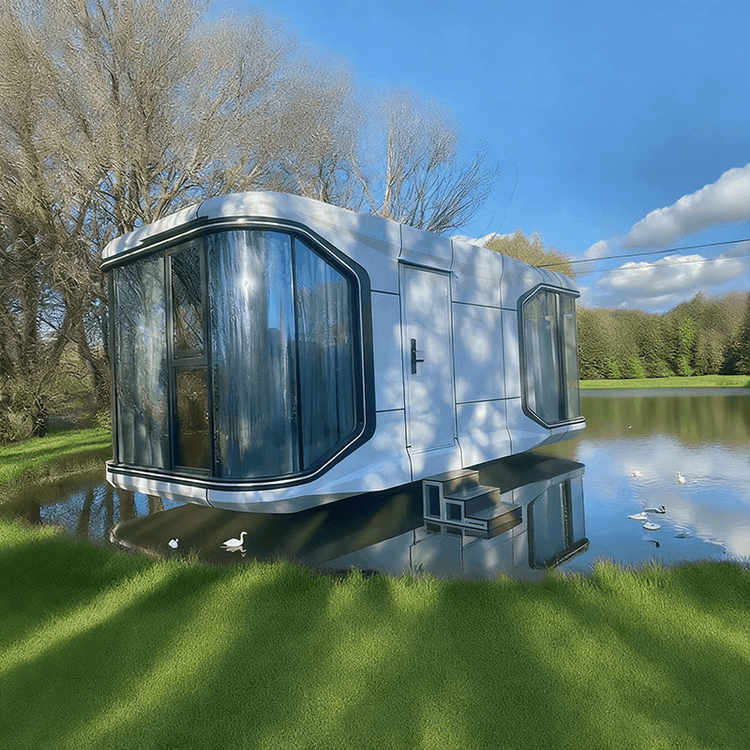
- High-end Cultural Tourism: The modular houses provided by China Construction Integration for an Australian project integrate interior soft furnishings, enabling 'move-in ready' accommodation;
- Cross-border Engineering: The products of leading enterprises have passed North American UL certification and Australian AS standards, support more than 8 times of disassembly and reuse, and reduce construction waste by 90%.
III. Industry Trends: Low-carbonization and Intelligence Lead High-quality Development
In 2026, the industry will present three major directions:
- Full Life-cycle Low-carbon: Compliant products can be disassembled and assembled more than 8 times on average, and the resource utilization rate is 3 times higher than that of traditional buildings;
- Cross-scenario Versatility: Through modular splicing and facade customization, it can adapt to diverse needs such as mobile commerce and emergency medical care;
- Intelligent Construction Upgrade: The popularization of welding robots, AGV guided vehicles, and other equipment has made the efficiency of domestic production lines 10 times that of similar factories in North America.
Purchase Recommendations: It is necessary to focus on verifying enterprise qualifications (such as CE and UL certifications), structural stability (wind resistance of level 12/earthquake resistance of level 8 is preferred), and disassembly and assembly loss rate (less than 0.3% is better). Priority should be given to manufacturers that provide full life-cycle services.