Garden Container-Style House
A garden container-style house is a modular building constructed using containers as basic modules, combined with garden landscape design concepts. It features mobility, rapid assembly, and diverse functions, making it widely applicable in scenarios such as temporary housing, cultural and tourism facilities, and self-built homes.
Structure and Materials
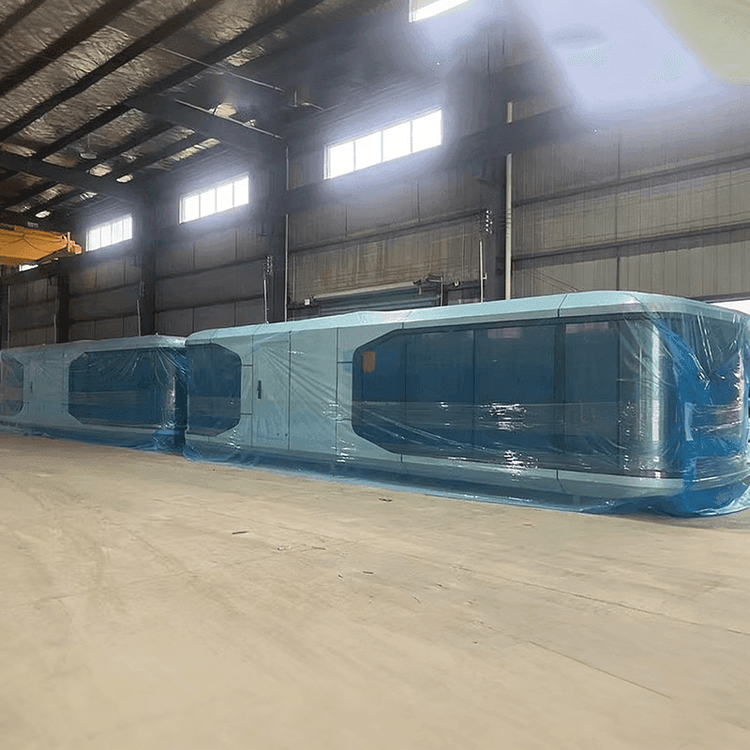
Container-style houses use hot-dip galvanized cold-formed steel frames paired with fire-resistant polyurethane sandwich panels, rock wool, or glass wool wall panels, providing both thermal insulation and fire resistance. The floors commonly employ cement fiber boards or steel-wood composite flooring, while walls and ceilings use metal panels or calcium silicate boards. Doors, windows, electrical systems, and plumbing are pre-installed in the factory, requiring only on-site hoisting and assembly. For example, the container dormitories used at the Nagoya Asian Games, though compact in space, met basic living needs through efficient layout design.
Types and Functions
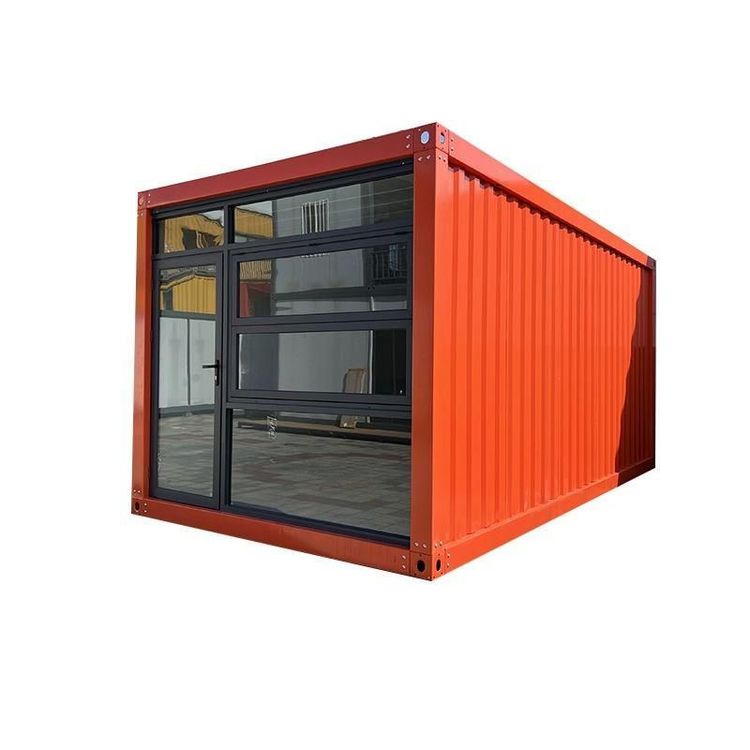
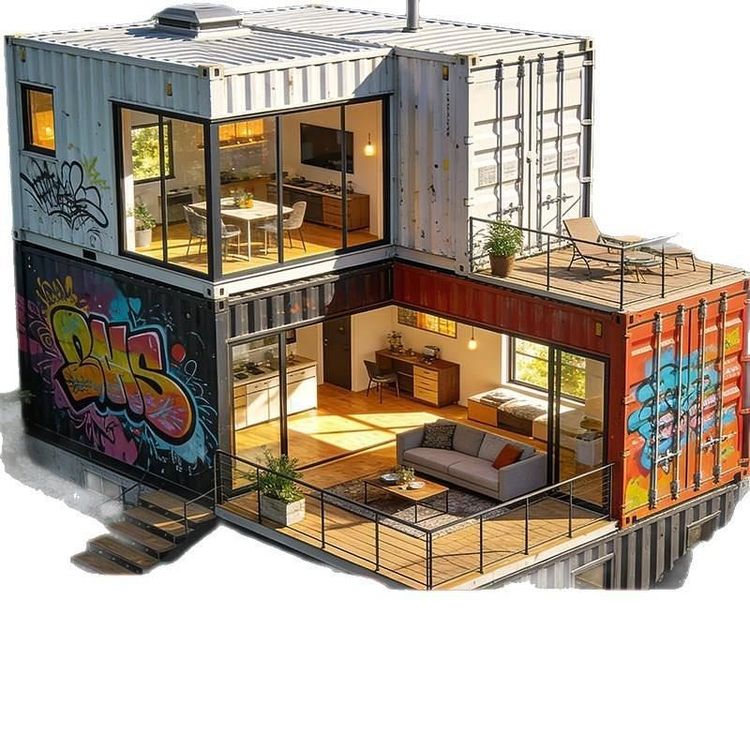
- Packing-box units: Can be used independently or stacked in multiple layers, suitable for construction site dormitories, office areas, and temporary meeting rooms. At the Nagoya Asian Games, approximately 2,000 athletes stayed in such container units, with three people per room and air conditioning provided.
- Light steel frame houses: Offer flexible customization in appearance and layout, ideal for self-built homes, homestays, and scenic area support facilities. For instance, a traditional Chinese courtyard house in Hebei uses a light steel frame with antique decorative elements to replicate traditional architectural forms.
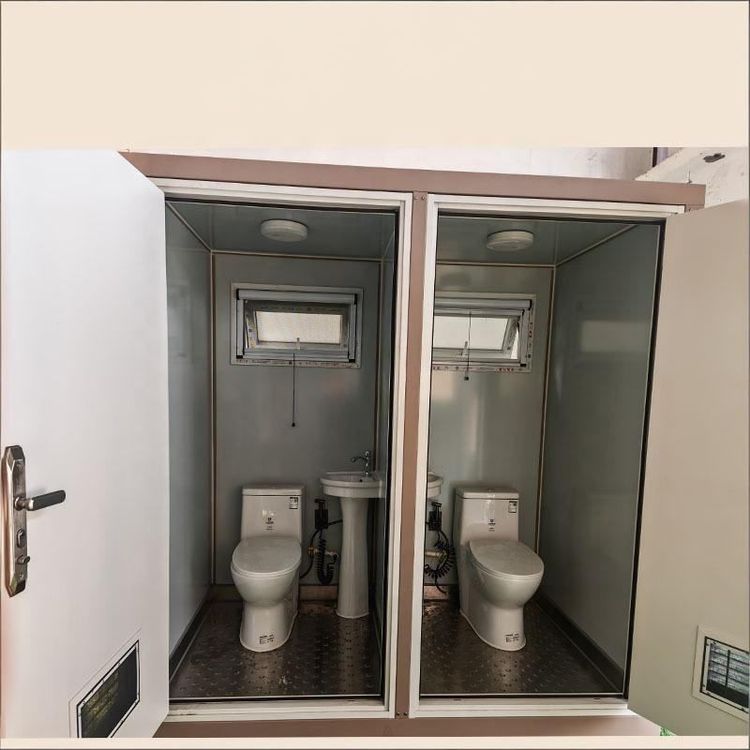
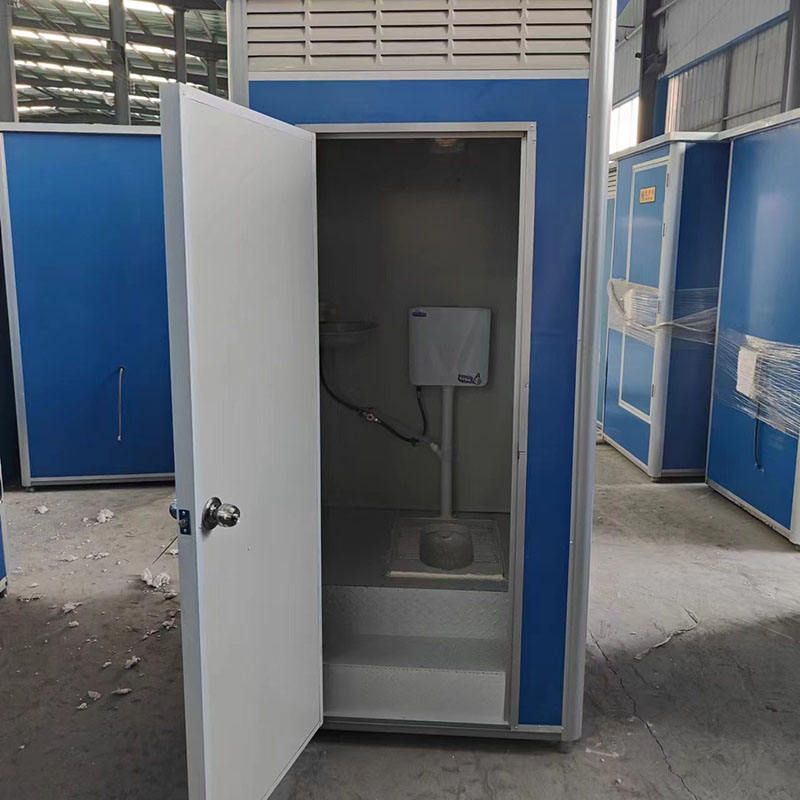
- Functional support buildings: Adjustable in size and layout, commonly used for security booths, property management booths, and eco-friendly public restrooms. Garden tool sheds and outdoor storage rooms also fall into this category, meeting courtyard storage needs.
Application Scenarios
- Temporary housing: In scenarios like sports events or disaster relief, container houses enable rapid deployment and cost reduction. The Nagoya Asian Games adopted a “cruise ship + containers + scattered hotels” model to accommodate tens of thousands of athletes.
- Cultural and tourism facilities: In garden hotels and resorts, container houses can be designed as luxury cabins or modular pods, integrating with natural landscapes to enhance the experience.
- Self-built homes and homestays: Light steel frame houses and modular container systems support personalized designs, suitable for rural self-built homes and vacation homestays, with construction periods more than half shorter than traditional brick-and-mortar structures.
Advantages and Limitations
- Advantages: Modular design, reusable disassembly, short construction periods, low costs, and features such as thermal insulation, sound insulation, and fire resistance.
- Limitations: Compact space requires careful layout planning; long-term use necessitates attention to material durability, such as rust and corrosion prevention.