
Back to blog
Article
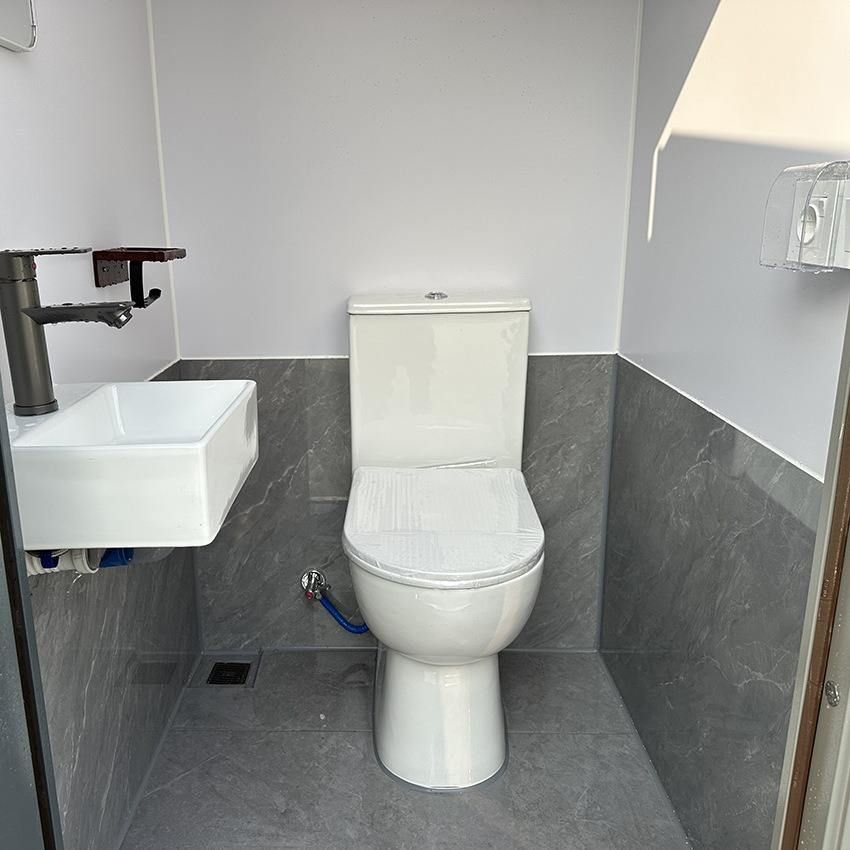
Ganzhou Mobile Toilet Construction
Admin September 22, 2026
The construction of mobile toilets in Ganzhou should be scientifically planned based on event requirements, site conditions, and crowd characteristics. The specific steps are as follows:
I. Preliminary Planning and Requirement Confirmation
- Foot Traffic Estimation: Adjust the toilet allocation ratio according to the event type. For ordinary events, calculate 1-2 toilets per 100 people; for events involving catering or lasting more than 12 hours (such as music festivals), an additional 20% of backup toilets are required; for large-scale events like concerts, refer to allocating 10 toilets per 500 people, and for exhibitions, allocate 1 toilet per 2000 square meters.
- Site Adaptability: For grassy areas, ensure the foundation is 30 cm above the ground to prevent water accumulation; for hard surfaces, reserve an operating space of 1.5 meters by 1.5 meters; prioritize renting companies with legal business qualifications and sanitation permits to avoid equipment failures affecting the event.
II. Location Selection and Layout Principles
- Location Distribution: Toilets should be placed within 30 meters of the main event area, avoiding low-lying, damp areas, and key locations such as entrances/exits and stage lighting areas. Set up one group (2-3 units per group) every 200 meters in the main audience seating area, and configure high-end toilets separately in the VIP area.
- Safety and Convenience: Reserve wheelchair access (width ≥ 0.9 meters); for nighttime events, equip with lighting systems or reflective signs; for outdoor open-air venues, choose waterproof and sun-resistant models and set up sunshades or green belts.
III. Supporting Facilities and Environmental Optimization
- Basic Supplies: Each toilet unit should be equipped with toilet paper, hand sanitizer, hooks, etc., and arrange for dedicated personnel to inspect and replenish supplies every 2 hours.
- Mosquito Prevention and Slip Resistance: Given the many mosquitoes in Ganzhou in summer, it is recommended to install mosquito repellent devices; lay anti-slip mats or tiles on the ground to prevent water accumulation on rainy days.
- Guidance Signs: Use red-background white-text signs to guide the flow of people, visible from 50 meters away from the entrance; equip with LED signs at night.
IV. Special Scenarios and Crowd Needs
- Children and Accessibility Facilities: When the event includes a children's area, add one accessible toilet equipped with handrails and an emergency call device; it is recommended to configure female-only toilets at a ratio of 3:1.
- Emergency Plan: Plan emergency evacuation routes in advance to ensure that the toilet locations do not affect safe evacuation; the rental contract should specify the fault response time (recommended ≤ 2 hours) and backup equipment clauses.
V. Maintenance and Post-Event Services
- Daily Inspections: Arrange for dedicated personnel to inspect the flushing system and sealing every day, and focus on ventilation and moisture prevention after heavy rain.
- Cleaning and Disinfection: Complete equipment removal, cleaning, and disinfection within 24 hours after the event ends, and require the rental company to provide proof.
Suggestion: Complete the rental reservation one month in advance, flexibly adjust the configuration according to the event scale, and optimize the layout through on-site inspections. For example, service providers like Ebingsi Environmental Protection can offer a full range of mobile toilets (such as connected mobile, seated water flush, waterless packing, etc.) and one-stop installation and maintenance services.
Related
You may also like

26Oct
Portable Toilet Specifications Size & Area Guide: Finding the Right Fit
Read More
26Oct
Top Portable Toilet Custom Manufacturers: How to Choose a Factory Partner
Read More
26Oct
Portable Toilet Reviewed: Best Picks & Tips
Read More
26Oct