Environmental Protection Mobile Toilets in Gansu Scenic Areas
Environmental protection mobile toilets in Gansu scenic areas are movable sanitation facilities that do not rely on fixed sewer systems and employ independent treatment technologies.

Structural Composition
- Collection Unit: Temporarily stores wastewater and solid waste generated during use. Modern designs feature anti-leakage and anti-odor properties to ensure sanitary and safe use.
- Treatment Unit: Transforms pollutants through physical separation and chemical decomposition. Common methods include biodegradation and chemical neutralization. Biodegradation relies on specific microorganisms to break down organic matter, while chemical neutralization uses non-toxic agents for rapid conversion.
- Discharge Unit: Disposes of treated products in compliance with local environmental standards, adhering to the principle of resource utilization. Harmless treated liquid can be used for non-contact irrigation, while solid residues are fermented into organic amendments. Heavy metal content and pathogen indicators must be monitored to ensure compliance with agricultural safety standards.
Operational Support
- Energy Supply: In areas with abundant sunshine in Gansu, solar power systems are widely used to meet basic energy needs for lighting, ventilation, and treatment equipment.
- Maintenance Management: Involves regular cleaning of solid residues, replenishment of treatment agents, and equipment status checks. Professional maintenance teams develop differentiated service cycles based on usage frequency to ensure continuous and stable operation of the facilities.
Environmental Adaptability
- High-Altitude Scenic Areas: Considering the impact of low temperatures on treatment efficiency, insulation layers and heating elements are used to ensure normal operation in winter.
- Arid Regions: Emphasis is placed on water-saving designs, with most models equipped with recirculating water flushing systems that reduce water consumption per unit by 60% to 80% compared to traditional facilities.
Site Selection and Layout
Comprehensive consideration must be given to usage density, traffic flow, and geological conditions. Toilet stalls should be set up at 1% to 2% of the innovative hourly reception capacity; placed at reasonable intervals along sightseeing paths; and避开 (avoid) landslide-prone areas and ecologically sensitive zones.
Technological Upgrades
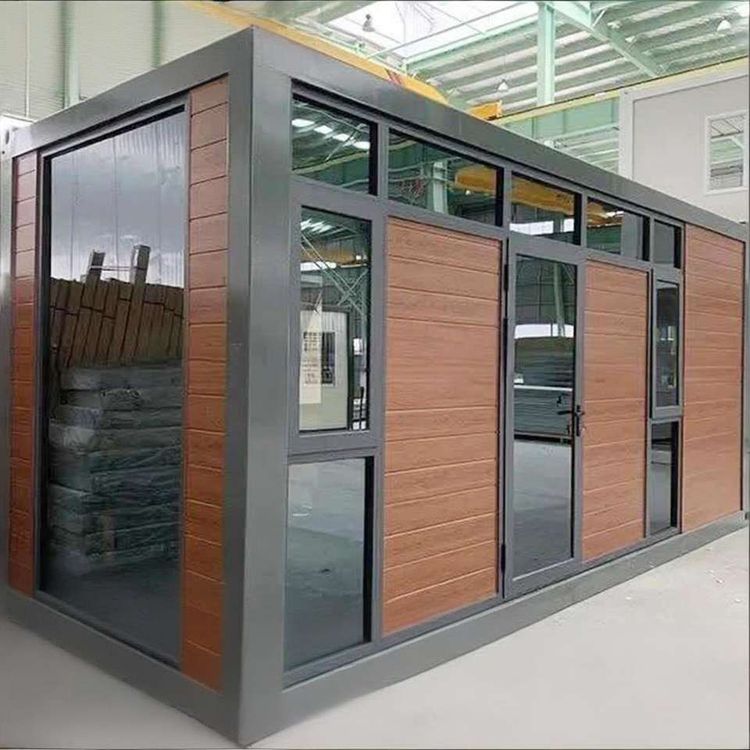
Over the long term, technological upgrades focus on improving treatment efficiency. For example, new membrane separation technologies can shorten treatment cycles by 30% and enhance water purity; intelligent monitoring systems provide real-time feedback on toilet stall usage and treatment equipment operation data; advances in materials science have made exterior wall panels more weather-resistant, maintaining structural stability in environments with strong ultraviolet radiation. Additionally, Gansu scenic areas feature uniquely designed toilets such as the "Dunhuang Pure Realm" public cultural space and toilets in the Yardang Landform area.