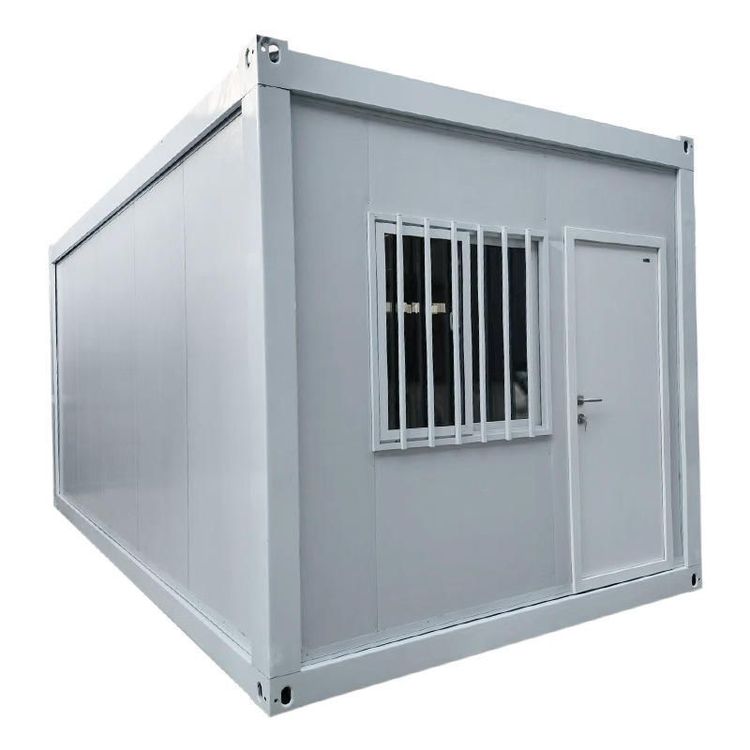
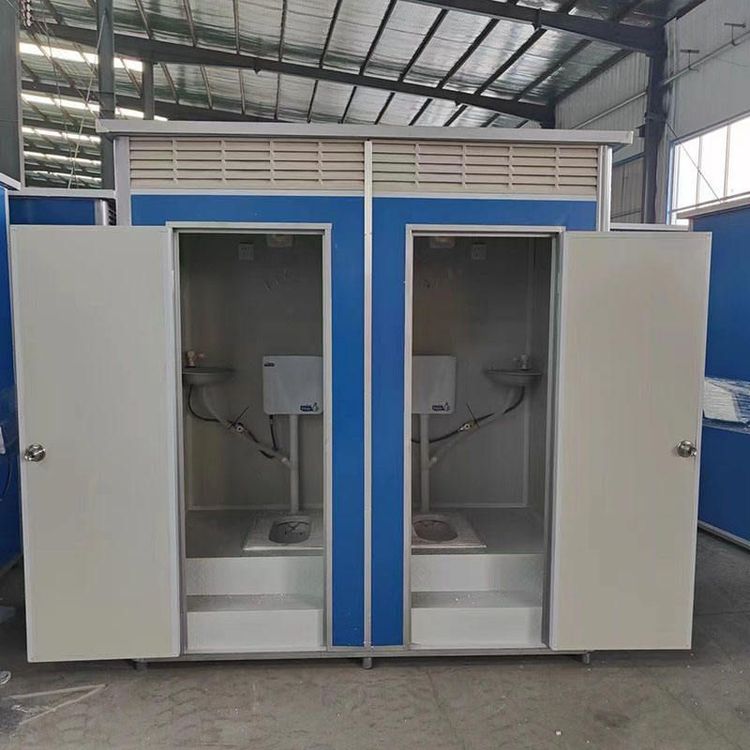
Cement Prefabricated Housing in Gannan, Gansu
The materials used in cement prefabricated housing in the Gannan region of Gansu mainly include LC10 lightweight aggregate concrete, foam concrete, and cement fences, which are characterized by their adaptability to the plateau climate, energy efficiency, environmental protection, and structural stability.
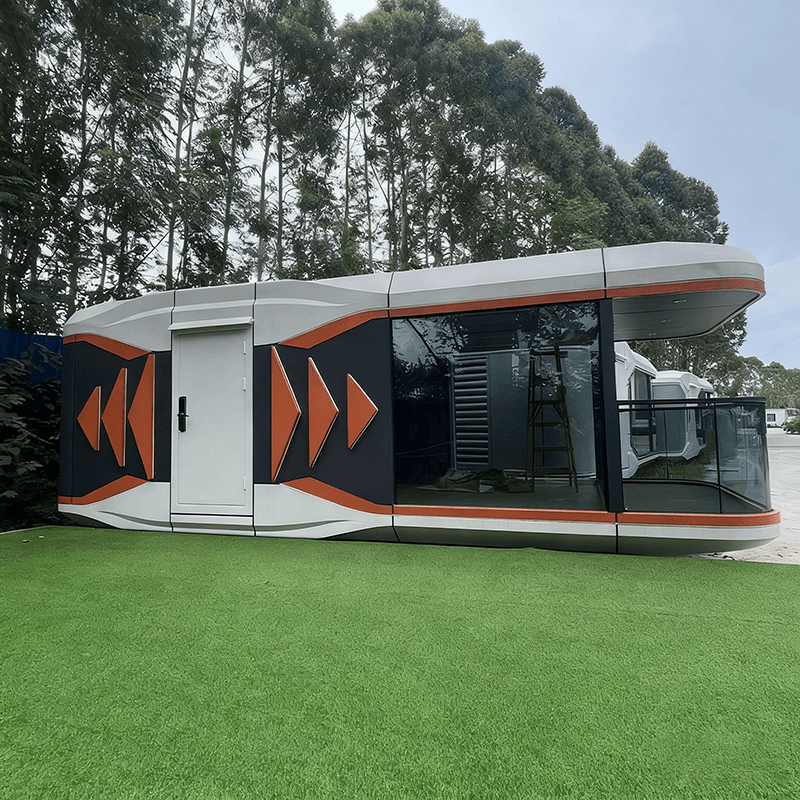
LC10 Lightweight Aggregate Concrete: An Ideal Choice for Plateau Environments
LC10 lightweight aggregate concrete uses porous aggregates such as ceramsite or pumice as its core. Through a 'shell-core' structure, its density is reduced to below 1600 kilograms per cubic meter, which is only 60%-70% of that of ordinary concrete. The internal porosity of 40%-50% not only reduces its self-weight but also lowers its thermal conductivity to 0.2-0.4 watts per (meter·kelvin), approximately one-fourth of that of ordinary concrete, effectively delaying heat transfer. During construction in the Gannan Plateau (at an altitude of about 3000 meters, with a low-pressure environment), pre-wetting the aggregates for 24 hours can compensate for water loss and maintain the workability of the concrete for more than 2 hours. The porous structure also adsorbs mixing water, reducing bleeding. In the face of severe cold below -20°C in winter, its open pores can accommodate ice crystal expansion, and after 300 freeze-thaw cycles, its mass loss rate is below 5%, far superior to the more than 15% of ordinary concrete, demonstrating excellent durability.
Foam Concrete Cast-in-Place Walls: Dual Advantages of Energy Efficiency and Environmental Protection
Foam concrete introduces independent pores of 0.1-1 millimeters through physical foaming. When the pore volume fraction reaches 70%-80%, its dry density can be reduced to 300-600 kilograms per cubic meter, and its thermal conductivity can be as low as 0.08-0.15 watts per (meter·kelvin). A 200-millimeter-thick wall has a thermal resistance value equivalent to that of a 600-millimeter-thick clay brick wall, significantly reducing heat loss. Its raw materials mainly consist of industrial solid wastes such as cement and fly ash, with carbon emissions 15%-20% lower than those of aerated concrete blocks, and on-site construction losses controlled within 3%. The cast-in-place process avoids the thermal bridge effect of block mortar joints, with an air permeability rate below 0.5 times per hour, further reducing energy consumption.
Cement Fences: Structural Flexibility and Regional Adaptability
Cement fences are constructed using either prefabricated or cast-in-place methods. Prefabricated components offer uniform quality and quick construction, while cast-in-place methods can adapt to complex terrains. In the environment of Gannan, which has distinct wet and dry seasons and large diurnal temperature variations, it is necessary to control the pore structure by adjusting the water-cement ratio, aggregate grading, and curing system to provide buffer space for thermal expansion and contraction and reduce crack formation. Raw materials are preferably sourced locally to reduce transportation costs and adapt to the climate; surface treatment can resist ultraviolet light aging and extend service life. Additionally, cement fences can participate in regional ecological succession by altering surface runoff and providing biological attachment substrates, and form visual harmony with traditional architectural styles.