
Gansu Flushing Mobile Toilet
The flushing mobile toilet in Gansu features adaptability to various environments, water conservation and environmental protection, easy mobility, self-sufficiency in energy, and environmental friendliness.
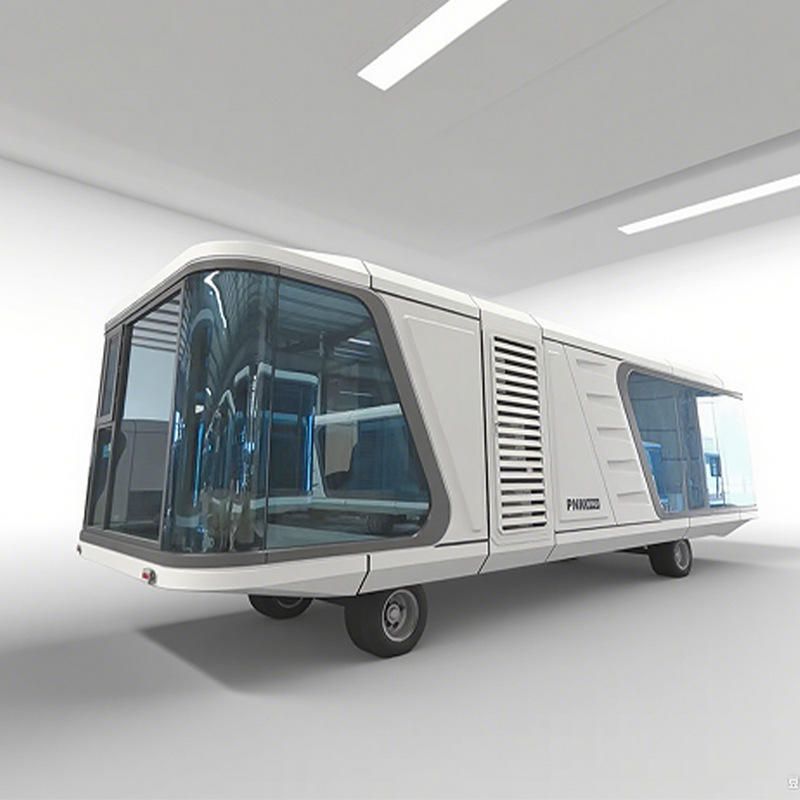
Adaptability to various environments: In high-altitude or seasonally arid regions, it employs low-water-pressure startup technology. Through internal piping design and pressure buffering devices, it can complete the flushing process under low pressure, reducing reliance on centralized water supply networks. Meanwhile, its environmental adaptability design is reflected in temperature regulation and wind protection measures. The wall sandwich is filled with insulation materials, the ventilation system automatically adjusts the air exchange frequency based on internal humidity, and the external structure is reinforced for windy environments, ensuring stable operation under various climatic conditions.
Water conservation and environmental protection: The wastewater treatment module integrates solid-liquid separation and biological degradation units, generating no secondary pollution during the treatment process, and achieving a dynamic balance between treatment efficiency and usage frequency. The recycled water unit purifies water quality through a combination of physical and biological methods, reducing overall water consumption to about 30% of that of traditional flushing toilets. Additionally, the electric high-pressure flushing toilets promoted in Lanzhou New Area also feature water conservation and environmental protection.
Easy mobility: The mobility of the facility is reflected in its modular assembly structure. Each functional unit is connected with standardized interfaces, allowing for rapid combination and installation according to the site terrain. During relocation, there is no need for complete disassembly; it can be transported by unit modules and then reassembled. The structural framework uses lightweight and high-strength materials, reducing transportation burdens.
Self-sufficiency in energy: Energy supply combines solar power with energy storage devices. Photovoltaic panels laid on the roof convert solar energy into electricity to power lighting, ventilation, and control systems for daily operation. The energy storage device provides continuous power when sunlight is insufficient, ensuring normal operation of all systems in rainy weather without relying on the external power grid of the scenic area.
Environmental friendliness: The relationship between such facilities and the surrounding ecosystem is reflected in the on-site conversion of waste. The final treated product is a neutral substance that can be directly used for soil improvement in non-arable areas, forming a local material cycle without discharging untreated pollutants into the surrounding environment. In mountain resort scenic areas, their spatial layout follows the principle of minimal interference, with noise generated during operation kept at a low level and the exterior design harmonizing with the surrounding landscape.



