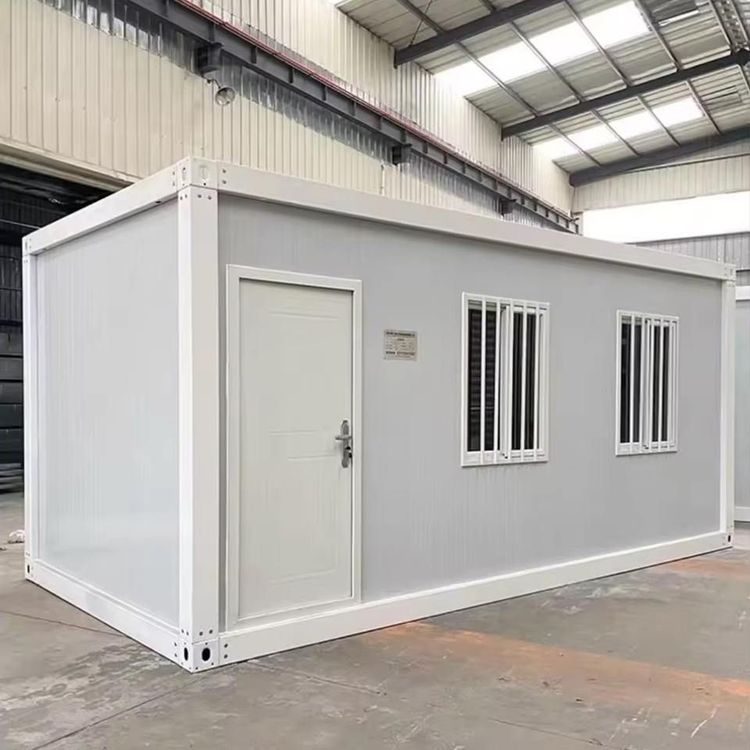
Portable Toilets for Construction Sites in Fuzhou
The following regulations and precautions should be followed when using portable toilets at construction sites in Fuzhou:
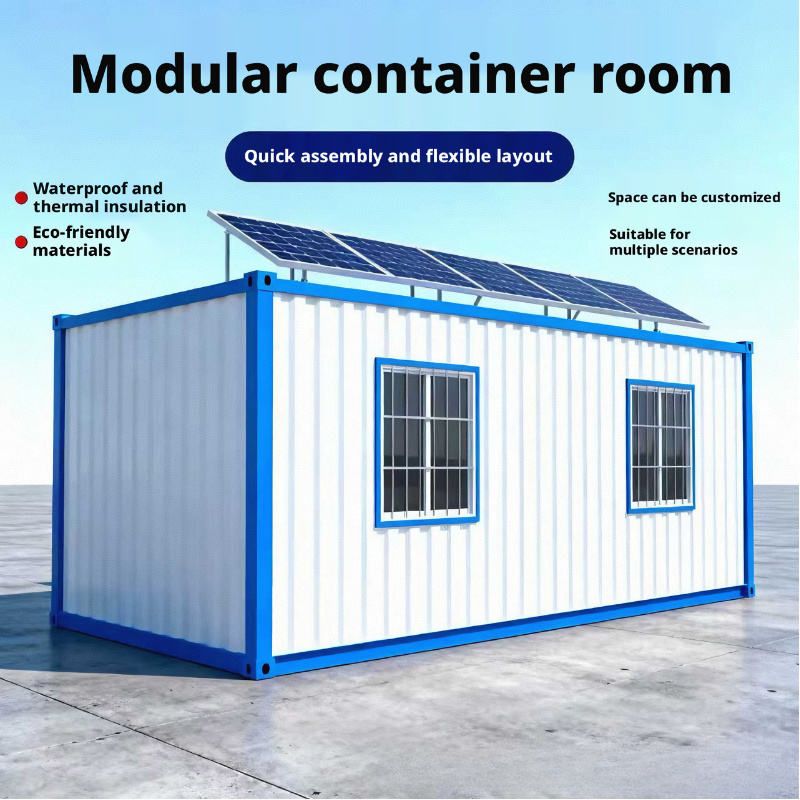
I. Pre-rental Preparations
- Demand Assessment: Construction units should confirm the scale of the construction site, the construction period, and the number of personnel in advance to select appropriate toilet types. The area of a single toilet stall should be ≥1.2 square meters, and it should be equipped with basic facilities such as a sink, toilet paper, and hand soap.
- Contract Signing: When renting, a standardized contract should be signed with the supplier, clearly defining the responsibilities of both parties (such as equipment maintenance and fault handling) and the scope of services (such as cleaning frequency and fecal removal cycle).
II. Installation and Placement Requirements
- Location Selection: Portable toilets should be placed away from construction dust areas, water source protection zones, and living areas, maintaining a safe distance of ≥5 meters from areas such as canteens and dormitories to avoid pollution or odor diffusion.
- Basic Conditions: The installation ground should be flat and solid, ensuring the toilet body is stable without the risk of tilting. Anti-slip materials can be placed at the bottom to prevent water accumulation. A clear sign should be set up, indicating the words 'Temporary Construction Toilet'.
III. Daily Use and Management Regulations
- Cleaning and Disinfection: Assign dedicated personnel to clean the toilet environment daily, disinfecting it twice a day (morning and evening), and increasing inspection frequency during peak hours to ensure no blockages or odors.
- Equipment Maintenance: Regularly inspect the toilet's electrical circuits, flushing systems, exhaust fans, and other equipment. Report for repairs immediately if any damage is found. Non-professionals are prohibited from disassembling or modifying the equipment.
- Fecal Disposal: Choose a sewage disposal method according to environmental protection requirements. Models with anti-leakage collection tanks should be regularly removed to avoid overflow and environmental pollution.
IV. Measures for Special Weather Conditions
- Rainy Season Protection: Check anti-slip and drainage facilities, and add rain shelters or anti-slip mats if necessary to prevent personnel from slipping due to wet floors.
- Winter Anti-freezing: Take insulation measures (such as wrapping with insulation materials) for water tanks, pipes, and other parts prone to freezing to avoid equipment damage caused by freezing.
- Safety Prohibitions: Do not stack miscellaneous items or conduct open-flame operations inside the toilet to prevent fires or structural damage.
V. Compliant Use and Safety Guarantees
- Civilized Toilet Use: Do not throw construction waste, flammable and explosive materials, etc., into the toilet to avoid blocking pipes or causing safety accidents.
- Fault Handling: If equipment fails, immediately contact the rental party for repairs. Do not disassemble or modify the toilet structure without authorization.
Recommended Supporting Facilities: Choose a main body made of corrosion-resistant metal or environmentally friendly composite materials, equipped with independent stalls, door latches, and hooks; the basic model should include a water-saving sink (preferably with a sensor faucet), a soap dispenser, and a paper towel holder, with low-noise exhaust fans and energy-saving LED lights installed inside.
Rental Service References: Local merchants in Fuzhou, such as Qianmai Portable Toilets and Shanghai Changjiu Industrial Co., Ltd., support rentals in regions such as Linchuan and Dongxiang, offering 24-hour short-term or long-term rental services, with some merchants providing door-to-door delivery.