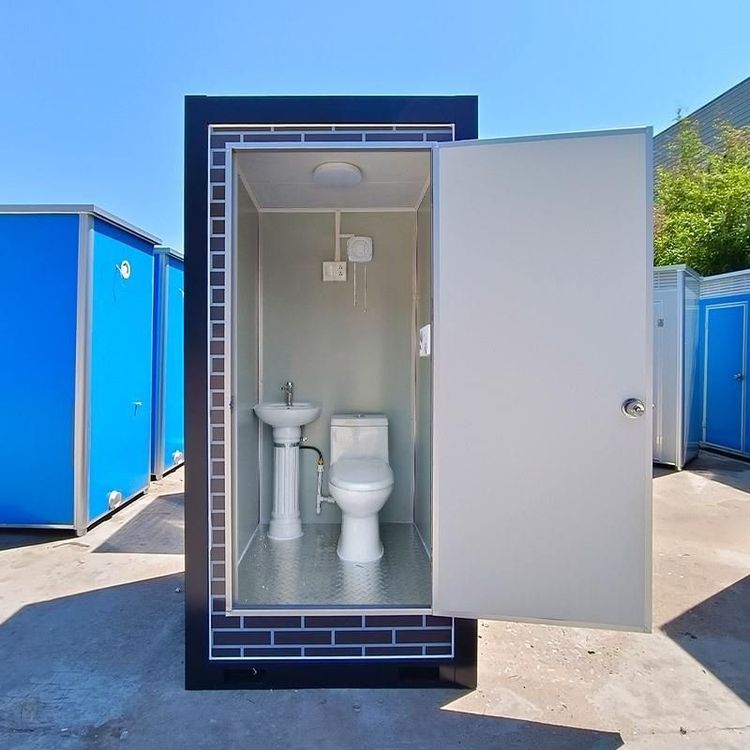
Installation of Mobile Toilets in Gannan Scenic Area
The installation of mobile toilets in the Gannan scenic area requires comprehensive consideration of various factors, including geographical environment, material structure, energy utilization, waste treatment, layout planning, and daily maintenance. The specific key points are as follows:

1. Geographical Environment Adaptability Gannan is located on the northeastern edge of the Qinghai-Tibet Plateau, characterized by high altitudes, cold climate, and widespread permafrost. Traditional fixed toilet construction is susceptible to freeze-thaw cycles, leading to foundation settlement or pipe rupture. Mobile toilets, with their modular design, can be rapidly deployed during non-permafrost periods without extensive ground excavation, minimizing damage to alpine meadows and soil structure. Their lightweight construction facilitates transportation, making them particularly suitable for scenic areas with vast territories and limited transportation access.
2. Material and Structural Design The large diurnal temperature variations in the plateau can cause ordinary materials to fail due to low-temperature embrittlement or ultraviolet aging. Mobile toilets should be constructed using weather-resistant composite materials, such as high-density polyethylene (HDPE) or fiberglass-reinforced plastic, which offer excellent impact resistance, corrosion resistance, and thermal insulation. In winter, when soil freezing depth is significant, sewage pipes should be buried below the permafrost layer and equipped with thermal insulation sleeves or electric tracing to prevent freezing. If an above-ground design is adopted, elevated foundations should be used to reduce direct pressure on surface vegetation.
3. Energy and Water Resource Utilization In some scenic areas of Gannan, water and electricity supplies are unstable. Mobile toilets should be equipped with solar power systems to meet the basic needs of lighting, ventilation, and intelligent monitoring equipment. Rainwater collection devices can supplement flushing water, reducing reliance on municipal water supplies. In waterless areas, biodegradable flush-free toilets are recommended, which decompose excreta using microbial agents, with the final products serving as fertilizers for vegetation restoration, achieving resource recycling.
4. Waste Treatment Methods Waste treatment should balance environmental protection and efficiency. Enclosed sewage storage tanks can be regularly transported by suction trucks to treatment stations, suitable for areas with good transportation conditions. In remote scenic areas, on-site treatment technologies, such as adding efficient microbial agents to accelerate organic decomposition, can be adopted to reduce transportation costs. All treatment methods must ensure airtightness to prevent sewage leakage and contamination of grasslands or water sources.
5. Layout Planning Toilet layout should be based on visitor behavior data and terrain characteristics: in high-traffic areas such as visitor centers and observation decks, toilet density should be higher than on hiking trails; on hiking trails, toilet spacing is recommended to be between 500-1000 meters, balancing convenience and ecological protection. Sites should avoid ecologically sensitive areas such as wetlands and wildlife habitats and use vegetation buffers to reduce visual and odor impacts.
6. Daily Maintenance Points In high-altitude areas, special attention should be paid to preventing pipe freezing. Electric tracing systems should be activated in winter and regularly inspected; cleaning agents should be biodegradable to avoid chemical residue damage to soil microbial balance; sewage storage tanks should be regularly cleaned, and pipe patency should be checked to prevent blockages that could lead to system failure. Additionally, a rapid response mechanism should be established to ensure timely repair or replacement of faulty equipment.