How are Mobile Toilets Priced in Gannan
There is no fixed standard for the pricing of mobile toilets in Gannan, and it needs to be comprehensively evaluated based on factors such as rental/purchase models, technical configurations, geographical conditions, service scopes, and market supply and demand. Details are as follows:
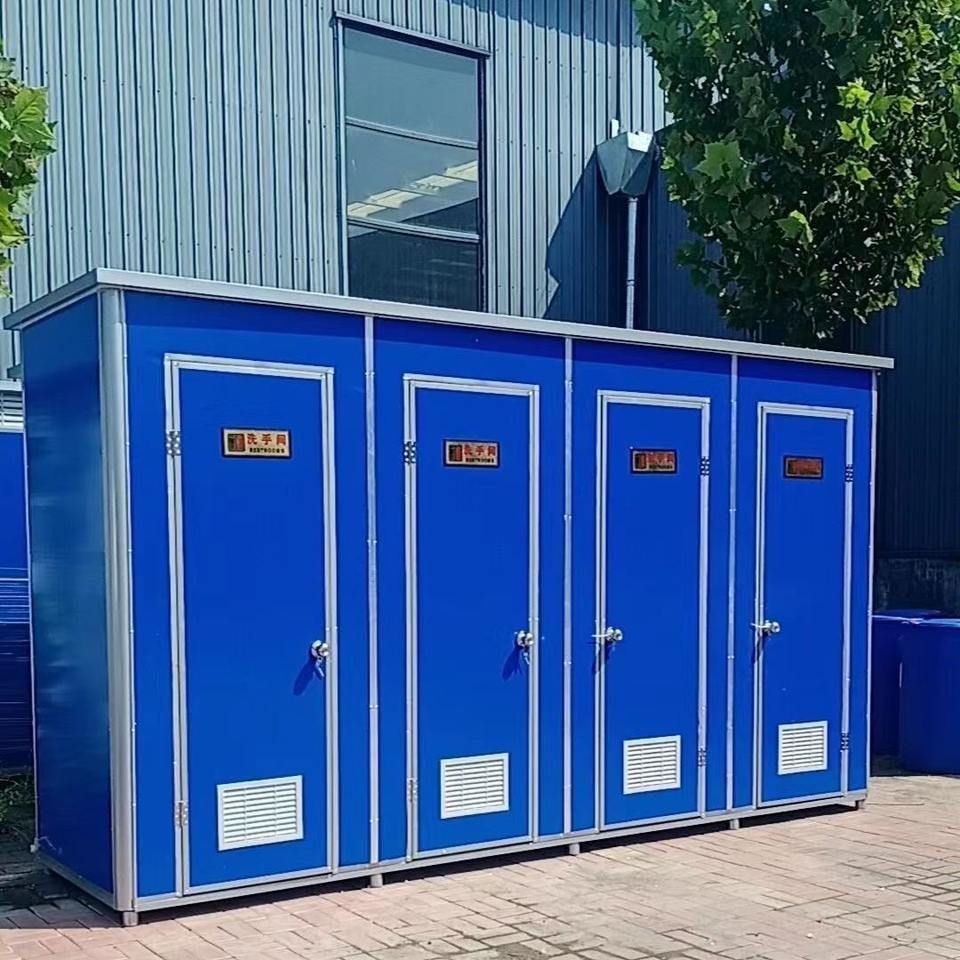
1. Cost differences between rental models and long-term placement/purchase models
Short-term event rentals (such as marathons and music festivals) are usually charged on a "full-service" basis, covering equipment depreciation, transportation, installation and commissioning, maintenance and cleaning, and recycling and disposal. The costs are allocated to each single service. Long-term placement or purchase mainly involves one-time acquisition costs, with subsequent maintenance costs adjusted according to usage frequency and estimated foot traffic (such as increasing the capacity of the septic tank, adding independent hand-washing units or barrier-free facilities). Each upgrade will increase the costs.
2. Impact of technical configurations on pricing
The method of waste treatment directly affects the cost structure:
- Biodegradable type: It relies on microorganisms to decompose waste and requires regular supplementation of biological agents. The initial investment and subsequent maintenance costs are relatively high;
- Chemical treatment type: Chemical agents are used for disinfection, and the cost of consumables fluctuates with usage frequency;
- Physical storage type: Waste is stored in sealed containers and requires regular removal. The frequency of removal and the container capacity determine the costs.
The higher the technical complexity, the higher the equipment depreciation and consumable costs, resulting in a corresponding increase in pricing.
3. Uniqueness of geographical adaptation costs
The characteristics of high altitude, large temperature differences, and complex geology in Gannan require mobile toilets to have:
- Structural reinforcement: Enhanced wind and earthquake resistance to adapt to windy or geologically soft areas;
- Improved insulation: In cold regions, thicker insulation layers or anti-freezing facilities are needed to prevent pipeline freezing;
- Logistics surcharges: In remote areas, long transportation distances and poor road conditions result in significantly higher logistics costs compared to urban areas.
4. Hidden costs of operation, maintenance, and service integration
The scattered geographical distribution of scenic spots leads to an increased frequency of delivery of cleaning consumables, biological agents, and other materials. Wastewater treatment needs to comply with ecological standards, resulting in higher removal costs. If the "integrated service" model is chosen (such as cleaning, consumable replacement, and equipment inspection contracted to professional institutions), the price includes service procurement costs. In the pure rental or purchase model, the user needs to organize maintenance on their own. Although the surface price is low, the hidden costs may increase.
5. Dynamic adjustment based on market supply and demand
During the peak tourist season, the surge in the number of tourists requires rapid deployment and temporary expansion of mobile toilets. The reservation of equipment allocation and emergency maintenance resources leads to a relatively large space for price fluctuations. For example, rental costs during holidays may increase by 20%-50% compared to normal times.