
Fuzhou Chinese-Style Mobile Toilet
Currently, there are no standardized products directly referred to as 'Chinese-style mobile toilets' in Fuzhou, but such a design can be achieved through customization. The mobile toilet market in Fuzhou primarily focuses on functional products, covering materials such as stainless steel and steel structures, with brands including Changjiu Environmental Protection and Xiangxing Metal, mainly used in parks, outdoor events, and other scenarios. To incorporate Chinese elements, a customized solution is required, which can be implemented from the following aspects:
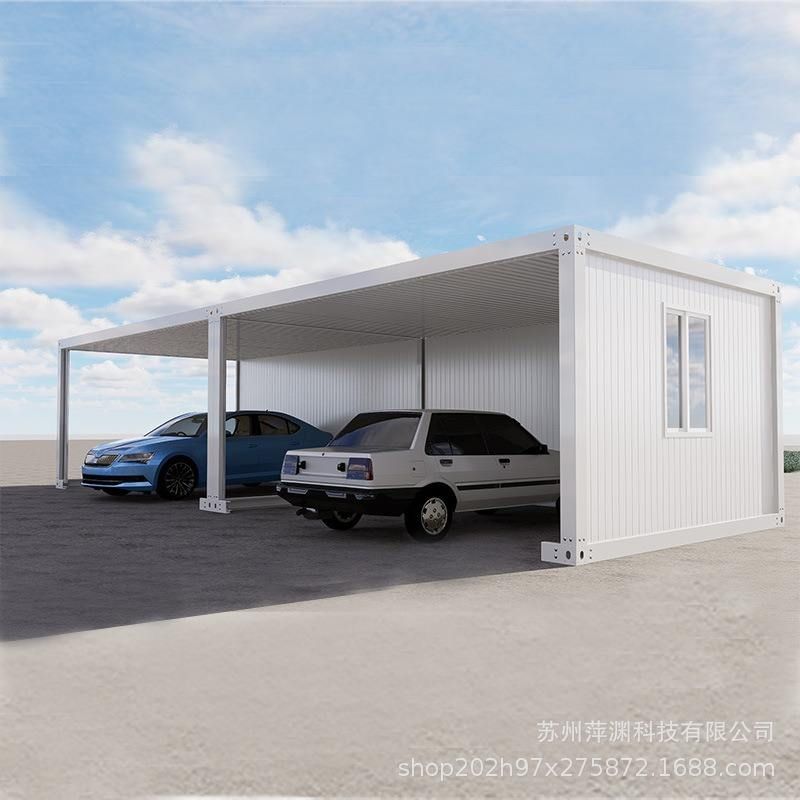
I. Basic Types and Materials of Mobile Toilets in Fuzhou
Mobile toilets in the Fuzhou market are practical-oriented, with common types including single-unit, connected, and trailer-mounted models, mostly made of stainless steel or steel structures. These products are corrosion-resistant and easy to clean, suitable for long-term outdoor use. For example, the steel-structured mobile toilets provided by Changjiu Environmental Protection can be quickly assembled through modular design, suitable for temporary events or emergency needs in scenic spots. Some high-end models are also equipped with intelligent water-saving systems, reducing water consumption through recycling and filtration technologies, meeting environmental protection requirements.
II. Customized Implementation Path for Chinese-Style Design
To reflect Chinese aesthetics, it is necessary to focus on both appearance design and cultural symbols:
- Appearance Design: Request manufacturers to adopt traditional architectural elements, such as upturned eaves and斗拱 (dougong, a traditional Chinese architectural bracket system) structures, or decorate the exterior with wooden textures to simulate the visual effect of a Chinese courtyard.
- Cultural Symbols: Incorporate Fuzhou's regional culture into external signage or interior decorations, such as patterns of Linchuan culture's opera masks and scholarly poems, presented through carving or painting techniques. Some manufacturers support 3D printing technology, enabling precise reproduction of complex patterns.
- Functional Adaptation: Chinese design should also consider practicality, such as referencing the symmetrical layout of traditional siheyuan (courtyard houses) in interior space planning or setting up Chinese-style screens to divide areas, enhancing the user experience.
III. Customization Process and Precautions
- Requirement Communication: Clearly communicate specific requirements for the Chinese style to the manufacturer, such as color preferences (e.g., traditional color schemes like vermilion and black-tiled roofs), pattern types, and functional needs.
- Cost and Timeline: Customized products usually require additional design and mold fees, with a production cycle 1-2 weeks longer than standard products. Plan usage time in advance.
- Compliance: Ensure the design complies with local building regulations, such as height restrictions and fire safety requirements, to avoid failed inspections due to non-compliance.
The Chinese-style transformation of mobile toilets in Fuzhou requires customization. It is recommended to prioritize manufacturers with experience in cultural-themed projects, combining regional characteristics with functional needs for design, meeting both practical requirements and cultural value transmission.



