
Fuyang Street Mobile Toilet Design
The design of mobile toilets on Fuyang Street requires comprehensive consideration of multiple factors, including functionality, sewage treatment methods, structural materials, specifications, and supporting facilities, while adhering to relevant principles.
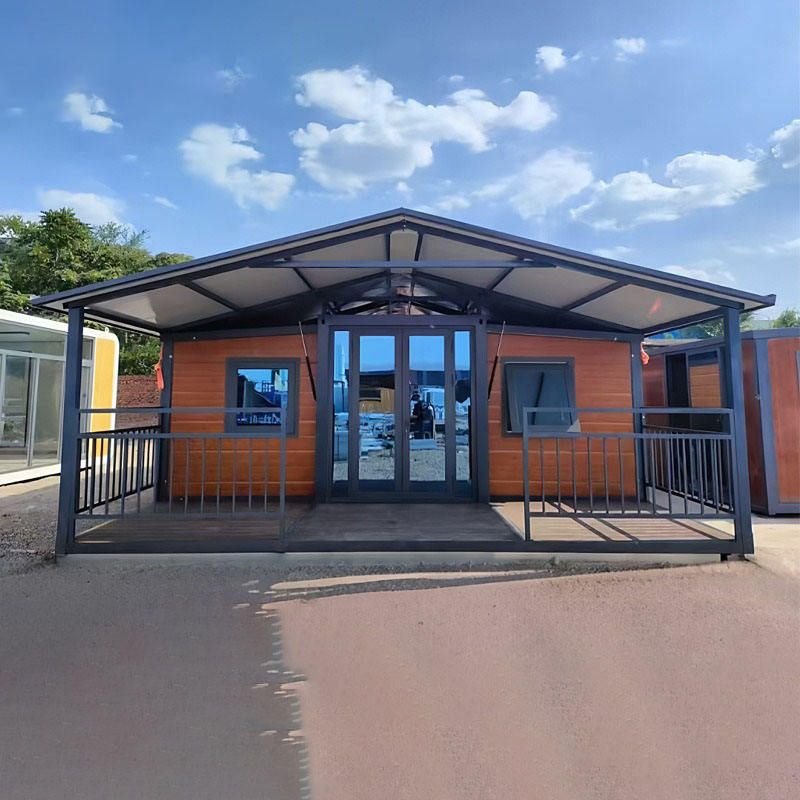
Functional Composition
Mobile toilets are generally composed of fecal sewage storage tanks (or disposal units), floor slabs, sanitary ware, walls, washing equipment, water tanks, roofs, and mobile devices. These functional modules work together to ensure the basic usage needs of the toilet.
Sewage Treatment Methods
- Water-flush and Waterless Suction Types: Selection depends on actual needs. Some scenarios may be more suitable for water-flush to maintain cleanliness, while waterless suction types are applicable in areas with water scarcity.
- Recirculating Water-flush Type: By recycling water resources, water consumption is reduced, making it suitable for places with high environmental protection requirements.
- Dry Packing Type: For example, waterless packing mobile toilets use polymer packing bags instead of water as carriers to pack and seal feces, which then fall into collection tanks for temporary storage. The system is simple, has low energy consumption, is easy to maintain, and is completely waterless. After packing, the sealing effect is good with no odor. It requires no water supply or drainage pipes and is easy to install, making it suitable for public places such as urban blocks, roads, and squares, as well as temporary venues like exhibitions and sports fields.
Structure and Materials
- Structure: The overall structure should be lightweight, durable, sturdy, and stable, while controlling height and width to ensure easy mobility. The mobile device should be complete and reasonable to facilitate transportation and installation of the toilet.
- Materials: Options include color-coated steel sheets, metal carved panels, anti-corrosion wood, aluminum-plastic panels, and stainless steel. These materials have their own characteristics. For example, color-coated steel sheets are cost-effective, metal carved panels have an attractive appearance, anti-corrosion wood is natural and environmentally friendly, aluminum-plastic panels are lightweight and durable, and stainless steel is sturdy and corrosion-resistant. Selection can be made based on actual needs and budget.
Specifications
There are different specifications such as 223 (customizable) and 120015003000, which can be selected and customized according to the number of users and available space.
Supporting Facilities
The toilet is standardly equipped with lighting fixtures, exhaust fans, coat hooks, toilet paper holders, ashtrays, makeup mirrors, waste bins, occupied/unoccupied sign locks, door locks, floor slabs, and various signs. Additional equipment such as switches, LED lights, barriers, and sinks can also be provided based on needs to enhance the user experience.
Design Principles
The design should adhere to the principles of easy mobility, economic durability; environmental protection and ecological friendliness; and improving efficiency and promoting humanity, ensuring that the mobile toilet not only meets usage needs but also complies with environmental protection and social responsibility requirements.



