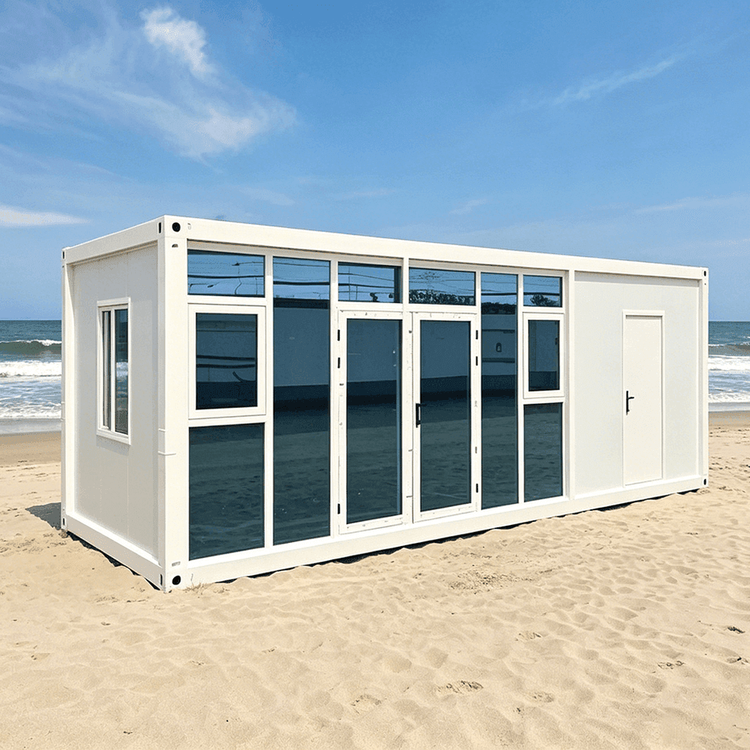
Fujian Yinglin Single-Room Mobile Toilet
Currently, no specific product information or public materials regarding the 'Fujian Yinglin Single-Room Mobile Toilet' have been found. The following provides a general introduction to mobile toilets from a common knowledge perspective:

Common Types of Mobile Toilets
Mobile toilets can be classified into various types based on their structure and usage scenarios. Single-unit mobile toilets are a common type, typically consisting of a single independent toilet compartment equipped with basic sanitary facilities such as toilets (squat or sit-down), flushing mechanisms (some are flushless designs), etc. These single-unit mobile toilets offer high flexibility, occupy a small footprint, and are easy to install, making them suitable for temporary events, construction sites, tourist attractions, and other locations. Composite mobile toilets, on the other hand, are composed of multiple single units and can simultaneously meet the needs of a larger number of users, commonly found at large-scale events or public areas with high foot traffic.
Materials and Craftsmanship of Mobile Toilets
The outer shells of mobile toilets are made from a variety of materials, with common options including metal materials (such as stainless steel and aluminum alloy) and plastic materials (such as fiberglass-reinforced plastic). Metal materials offer advantages such as high strength, good durability, and excellent fire resistance, but they come with relatively higher costs. Plastic materials, on the other hand, are lightweight, corrosion-resistant, easy to clean, and have lower costs, making them widely used. In terms of manufacturing processes, mobile toilets typically adopt a modular design, where components are prefabricated in factories and then quickly assembled on-site, significantly shortening the construction period.
Eco-Friendly Design of Mobile Toilets
Modern mobile toilets emphasize eco-friendly design, with many products incorporating water-saving and energy-saving technologies. For example, some mobile toilets adopt flushless designs, converting waste into harmless substances through special treatment methods to reduce water consumption. Others are equipped with solar panels, utilizing solar energy to power lighting, ventilation, and other equipment, thereby reducing energy consumption. Additionally, mobile toilets employ various waste treatment methods, including direct discharge into municipal sewage systems, septic tank treatment, and biological degradation treatment, to minimize environmental pollution.
You may also like
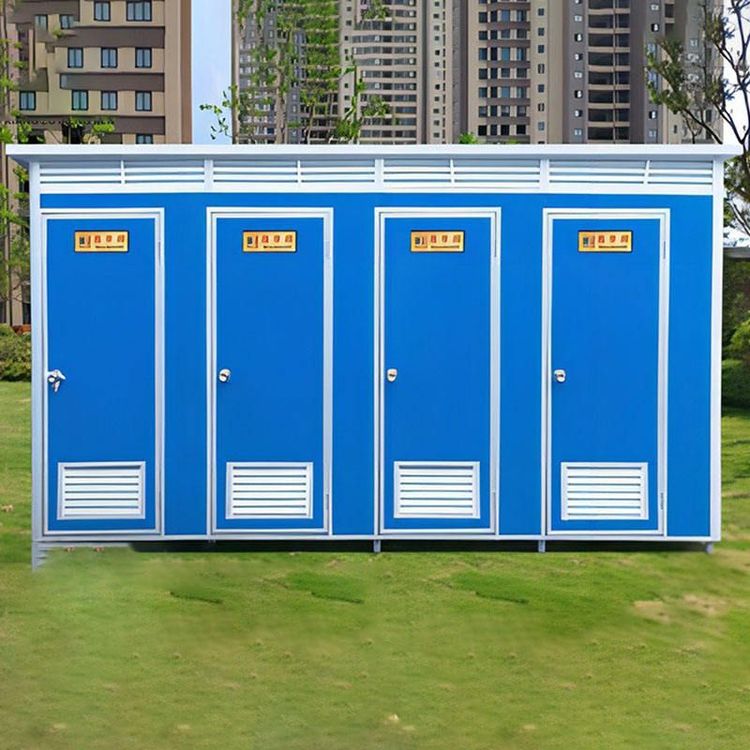
Standard Portable Toilet Specifications Model Dimensions: What to Know
Read More
House Reviewed: Best Picks & Tips
Read More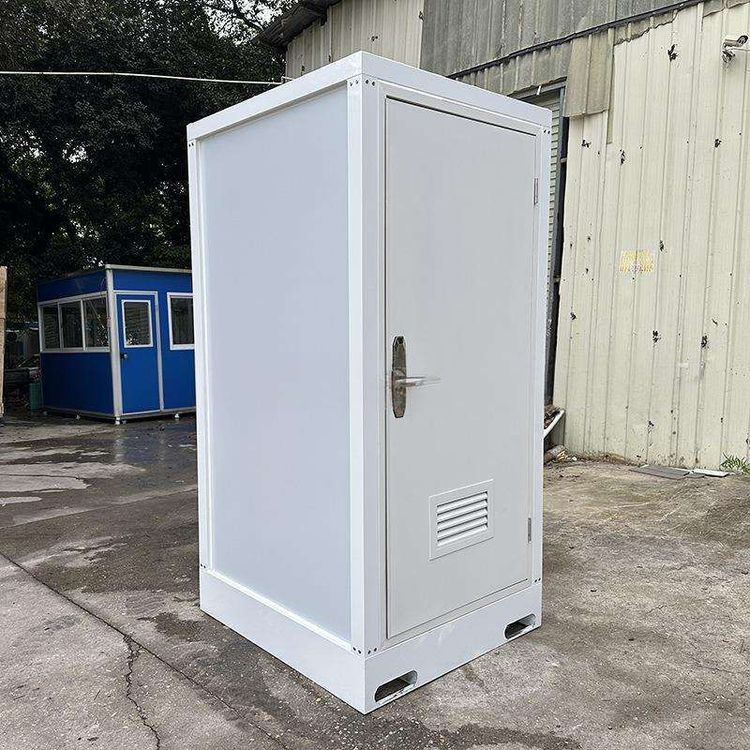
Portable Toilet Eco-Friendly Specifications Sizes & Dimensions: A Complete Guide
Read More