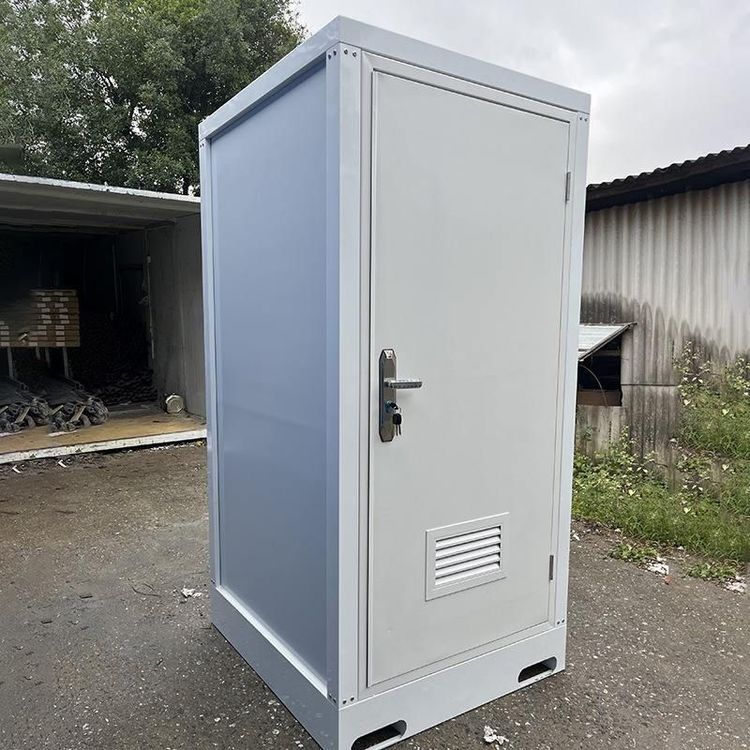
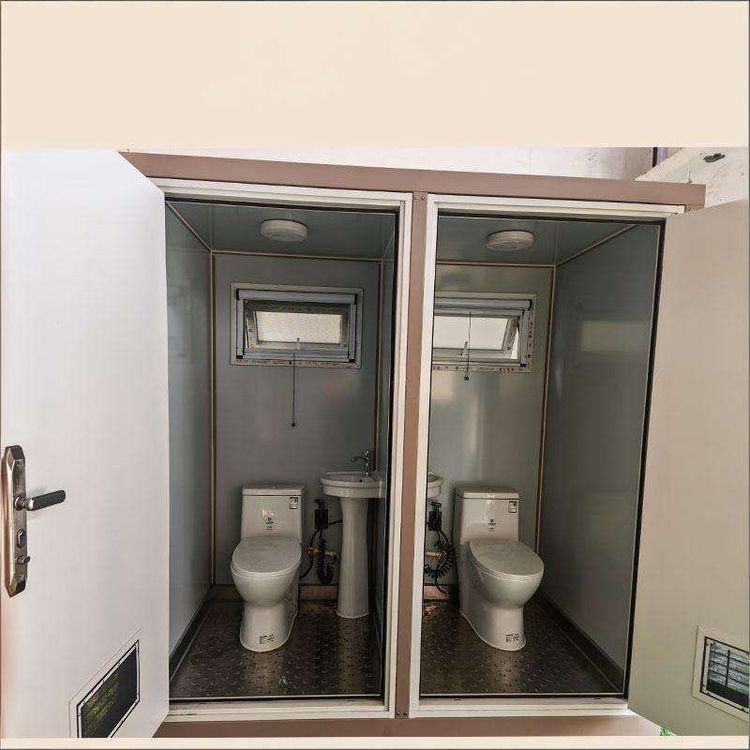
Formal Mobile Toilet Safety Inspection
Formal mobile toilet safety inspection covers multiple aspects including building structure, material performance, safety performance, and environmental adaptability. Details are as follows:
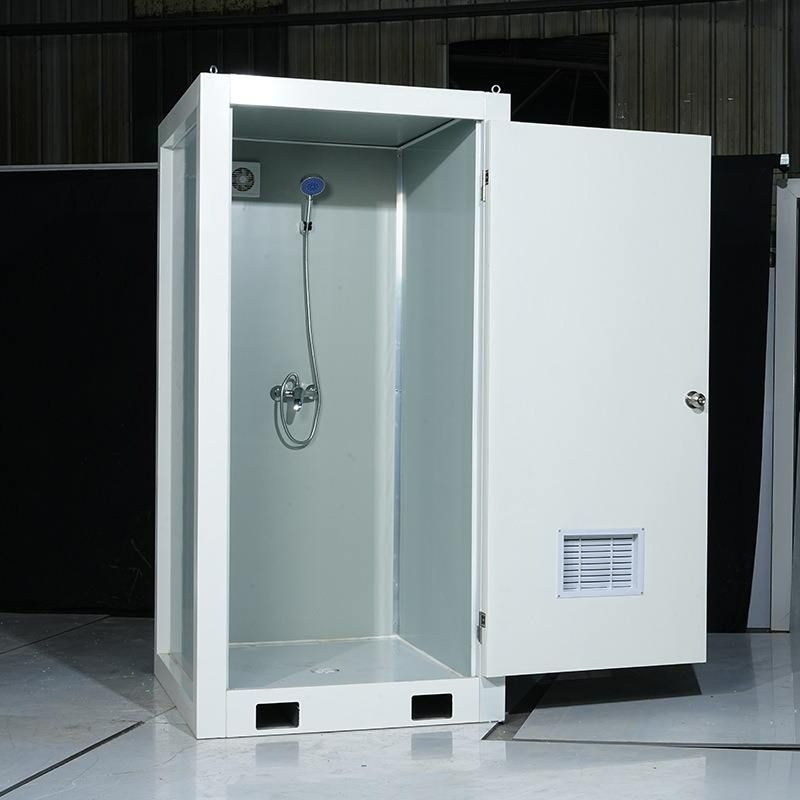
1. Building and Structure Verification
Based on the original design documents, conduct sampling verification of the toilet's architectural layout, including wall distribution, door and window locations and sizes, while also checking structural parameters such as the axis dimensions and height of the structure to ensure compliance with design requirements. This step aims to verify the consistency between the building structure and the design, eliminating safety hazards caused by construction deviations.
2. Structural Damage Inspection
Focus on inspecting load-bearing components (such as steel beams and columns) for signs of aging, deformation, or corrosion, with particular attention to the reliability of node connections, including welding quality and bolt tightness. Through visual inspection and instrument-assisted methods, identify potential risks such as cracks and rust to ensure structural integrity.
3. Structural Safety Calculation and Analysis
According to the 'Building Structural Load Code', combined with on-site survey data, consider dead loads (self-weight), live loads (usage loads), wind loads, seismic actions, and material parameters, and use professional software to calculate and analyze the structural load-bearing capacity. This step quantitatively evaluates the safety of the structure under extreme conditions, providing a basis for reinforcement or renovation.
4. Steel Material Performance Testing
Perform non-destructive testing (such as ultrasonic testing) on steel structure welds to assess welding quality; test the tensile strength, yield strength, and toughness of steel materials through tensile tests and impact tests to ensure that material performance meets standard requirements, preventing structural accidents caused by material failure.
5. Structural Safety Inspection
Use tools such as levels and rangefinders to inspect the overall verticality and structural stability of the public toilet, identifying issues such as tilting, cracks, or deformation; verify the floor's load-bearing capacity through pressure testing equipment to ensure it meets usage requirements. This step directly reflects the current safety status of the structure.
6. Wind and Seismic Resistance Testing
Evaluate the stability of the overall structure, including the stability of the support system; test the strength of materials (such as steel structures and plastics); check the reliability of protective facilities (such as fixing devices and reinforcement measures); simulate wind pressure and vibration parameters using professional equipment to verify wind and seismic resistance capabilities, ensuring safety under extreme weather conditions.
7. Environmental Adaptability Testing
Simulate environmental conditions such as high temperature, low temperature, and humidity to test the stability performance of mobile toilets under different climates, such as material thermal expansion and contraction, seal aging, etc., ensuring adaptability to diverse usage scenarios.
8. Sealing and Leak Prevention Inspection
Focus on inspecting the sealing performance of the sewage storage tank/septic tank, checking for leakage risks in the tank body, sewage outlets, and exhaust ports to prevent sewage leakage from polluting the environment or affecting the user experience.
9. Fire Safety Inspection
Confirm that fire safety facilities (such as fire extinguishers and smoke alarms) are complete and effective, check that electrical wiring complies with fire prevention regulations, eliminate fire hazards, and ensure usage safety.