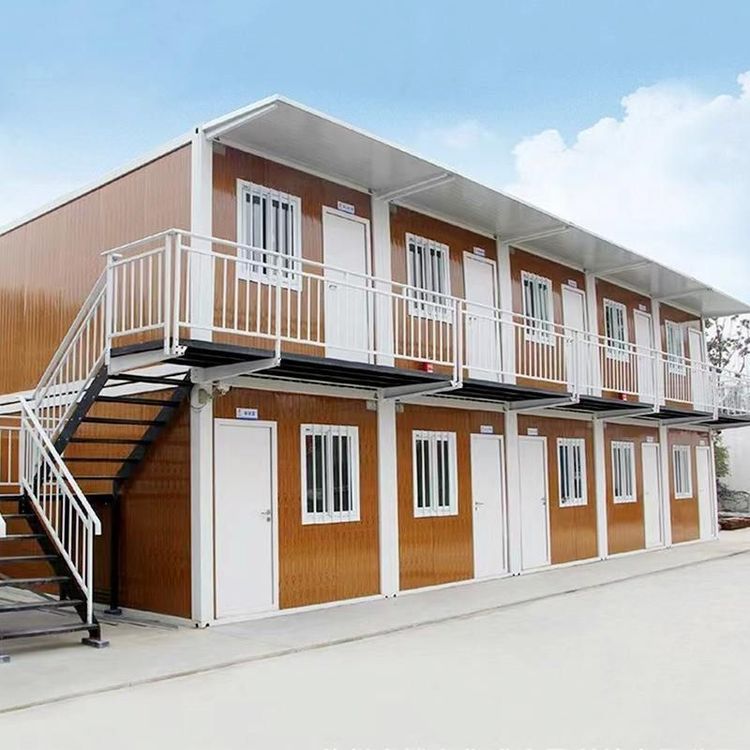
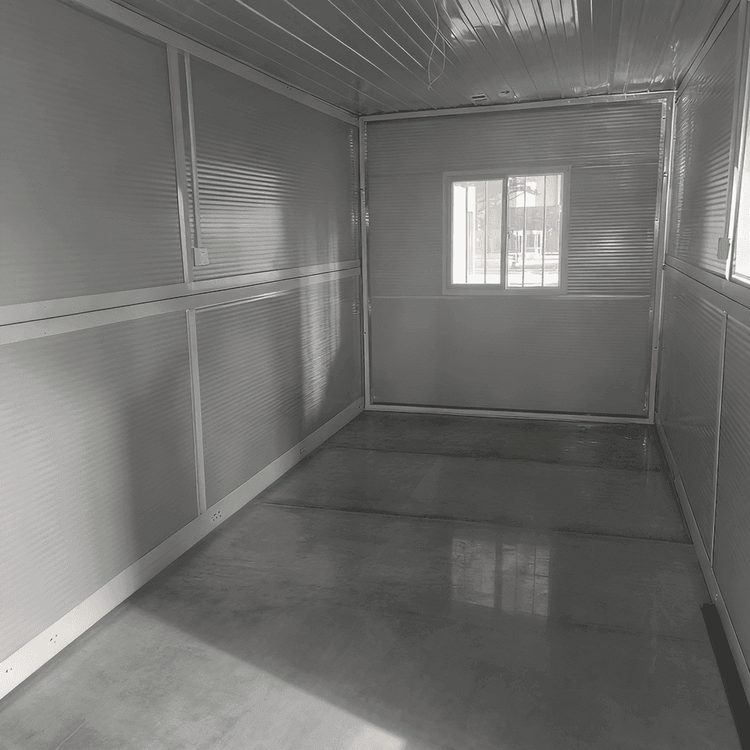
Foreign Prefabricated Houses
Foreign prefabricated houses are well-developed, with distinct characteristics in terms of assembly speed, market conditions, and pricing.
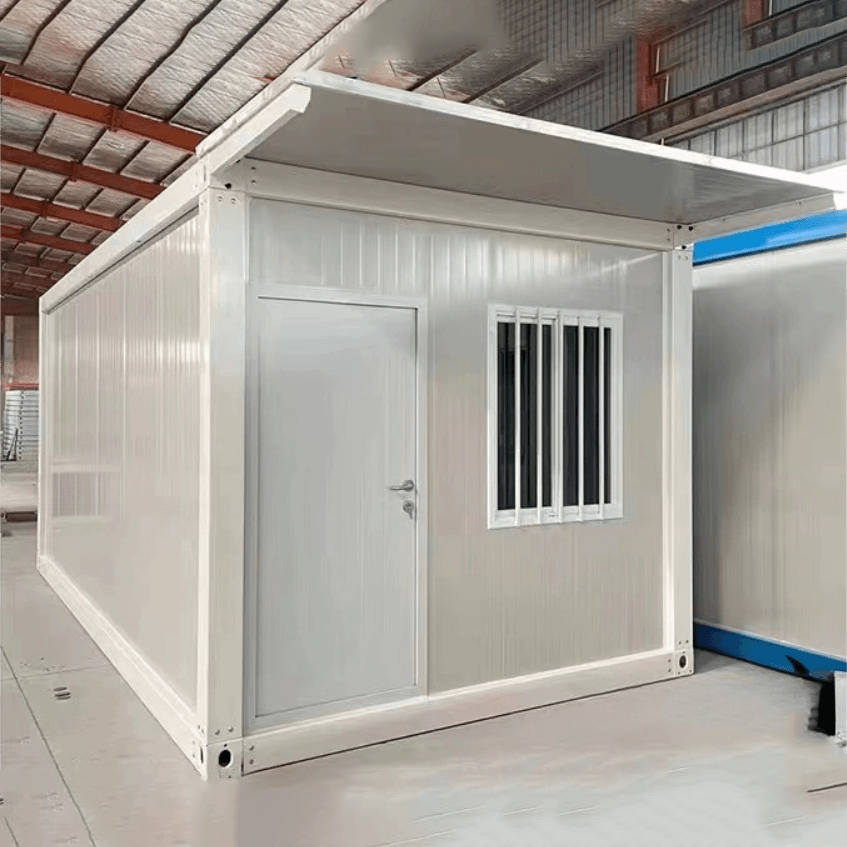
Assembly Speed
Foreign prefabricated houses have a long development history and significant advantages in assembly speed. Some ingenious prefabricated houses can be assembled in a very short time. For example, the prefabricated Hobbit house created by Magic Green Homes can be built by almost anyone in just three days; the Zero Net Prefabricated House Unity Home, with an area of 1,620 square feet, can be assembled in less than three days, has a design lifespan of several centuries, is built according to the LEED V4 Platinum standard, and is equipped with the world's largest Cradle to Cradle (C2C) certified building product series; Robert Gurney's modular home, composed of 13 energy-efficient modules, can be assembled on-site in two days; the Moscow Double Room Residence Dubldom can be assembled in one day and comes with basic household equipment; the Big Box eco-luxury residence, with an area of 80 square meters, can also be fully assembled in one day. These cases fully demonstrate the high efficiency of foreign prefabricated houses in terms of assembly speed, enabling them to quickly meet people's housing needs.
Market Conditions
Chinese prefabricated houses have performed outstandingly in overseas markets and are highly popular. In the first quarter of 2026, Chinese prefabricated house exports surged by 45% year-on-year, leading the growth rate among all building materials and construction accessory export categories. In the first four months, enterprises in the Guangzhou Customs district alone exported movable houses worth 1.4 billion yuan, a year-on-year increase of 38.1%. The products have been successfully launched in more than 20 countries and regions, including Australia, New Zealand, the United States, Canada, Iceland, Spain, Italy, the Philippines, and Uganda, indicating that Chinese prefabricated houses have broad development prospects in the international market.
Pricing
Chinese prefabricated houses command a high premium overseas. The factory price of a prefabricated house in China typically ranges from $30,000 to $80,000, but it can sell for up to $1.2 million overseas. There are three main reasons for this premium: First, cost-effectiveness outperforms local construction. The price of Chinese prefabricated houses is only 40% of that of local buildings in Europe and the United States. Second, speed equals money. Traditional construction has long project durations, significant cost fluctuations, and high labor dependency. Chinese prefabricated houses complete most of the processes in the factory, enabling more effective cost and quality control and significantly shortening on-site construction time. Third, high-end configurations elevate value. The demand for high-configuration prefabricated houses in overseas markets is diversifying, with the proportion of high-end projects continuously increasing. The million-dollar price tag is the result of the叠加 (superposition) of costs in multiple dimensions, including structural materials, thermal performance, overseas certifications, logistics and installation, and intelligent integration.