Foreign Container Modular Housing
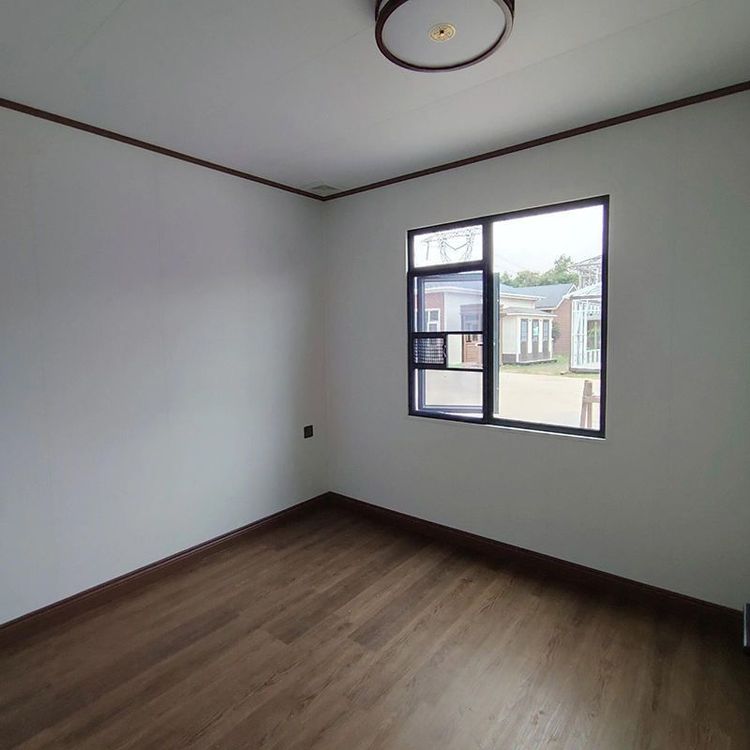
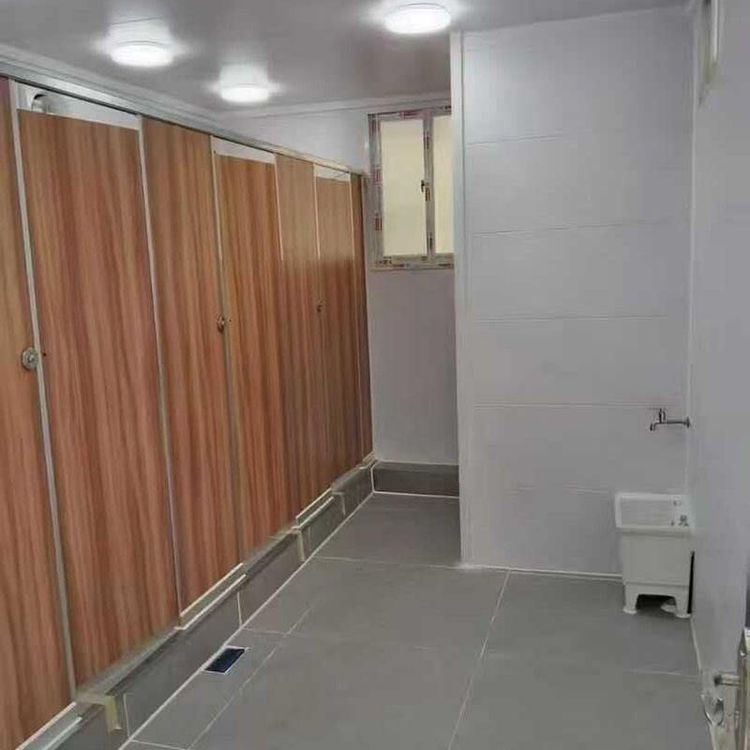
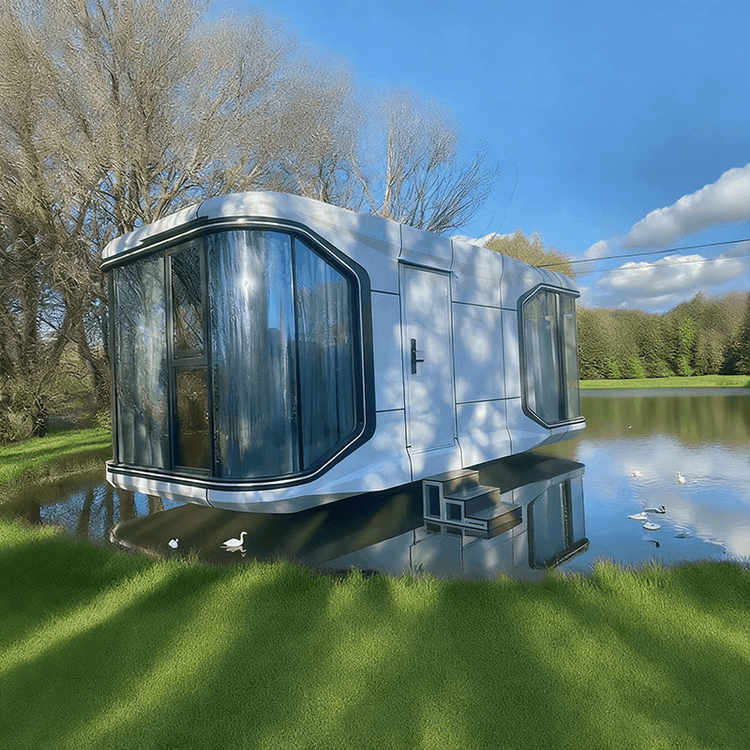
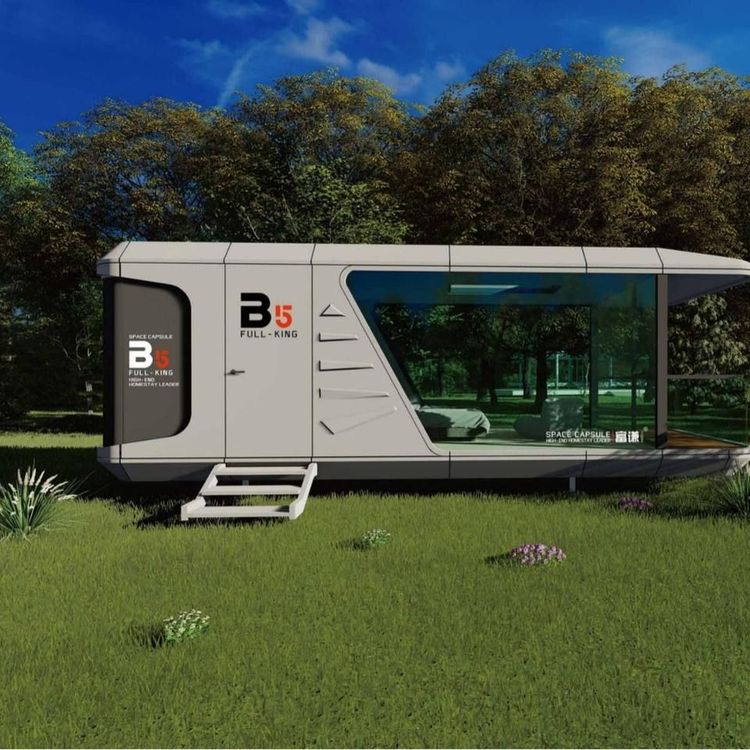
Foreign container modular housing is a modular architectural form that uses containers as basic units, assembled and combined to create buildings. It features rapid construction, low cost, and mobility, and is widely applied in residential, office, and emergency scenarios.

Core Materials and Processes
The core materials of foreign container modular housing include corrosion-resistant steel plates and eco-friendly panels, combined with shipbuilding anti-corrosion techniques to ensure durability in complex environments. These buildings can have a lifespan of over 20 years and support customized designs in standard sizes ranging from 20 to 60 feet, meeting functional requirements for various scenarios.
Development History
- 2006: American architect Peter DeMaria designed the first nationally certified double-story container home, marking the transition of container architecture from temporary structures to permanent residences.
- 2008: CIMC quickly built a container school accommodating a thousand people after the Wenchuan earthquake, demonstrating its efficiency and practicality in emergency scenarios.
- 2010: China initiated the compilation of the Technical Specification for Container Modular Combined Housing, promoting standardized industry development and providing a reference for global standard-setting.
- 2012: CIMC created the world's first recyclable container hotel for the UK, reflecting its eco-friendly philosophy and value of circular utilization.
Application Examples
- Netherlands: A blogger purchased a container home from a Chinese online store, featuring a 40-50 square meter layout with two bedrooms, a bathroom, and a living room, priced at approximately €2,300, offering significant cost-effectiveness.
- Australia: A modular house tailored by CIMC Intelligent Manufacturing (Shenzhen) Co., Ltd. completed water, electricity, decoration, and soft furnishings integration in the factory, requiring only water and electricity connection upon arrival for occupancy. Its construction period is more than half shorter than traditional methods, supports repeated disassembly, relocation, and significantly reduces construction waste, dust, and noise pollution, aligning with green building trends.
Advantage Summary
Foreign container modular housing achieves a balance between cost, efficiency, and environmental protection through standardized design, industrial production, and modular assembly, becoming an important innovation direction in modern architecture.