
Foot-Operated Mobile Toilet
The foot-operated mobile toilet is a mobile sanitation facility that does not require an external water source and collects and treats waste through foot-operated actions. It features water-free operation, odor prevention, and durability, making it suitable for waterless environments or temporary locations.
1. Core Structure and Working Principle
The core component of a foot-operated mobile toilet is a stainless steel foot-operated packing toilet. Taking the stainless steel packing squat toilet from Jiuzheng Sanlong as an example, it consists of an outer shell, mechanical device, and microcomputer control system. When a user steps on the pedal, the mechanical device triggers a plastic film packaging bag to automatically wrap the waste and move it down by gravity into the waste storage bin, all without manual contact, preventing cross-contamination. Some models use 304 stainless steel, which is highly corrosion-resistant and can withstand long-term exposure to outdoor environments without damage.
2. Types and Brand Diversity
Based on functional and design differences, foot-operated mobile toilets can be classified into three types:
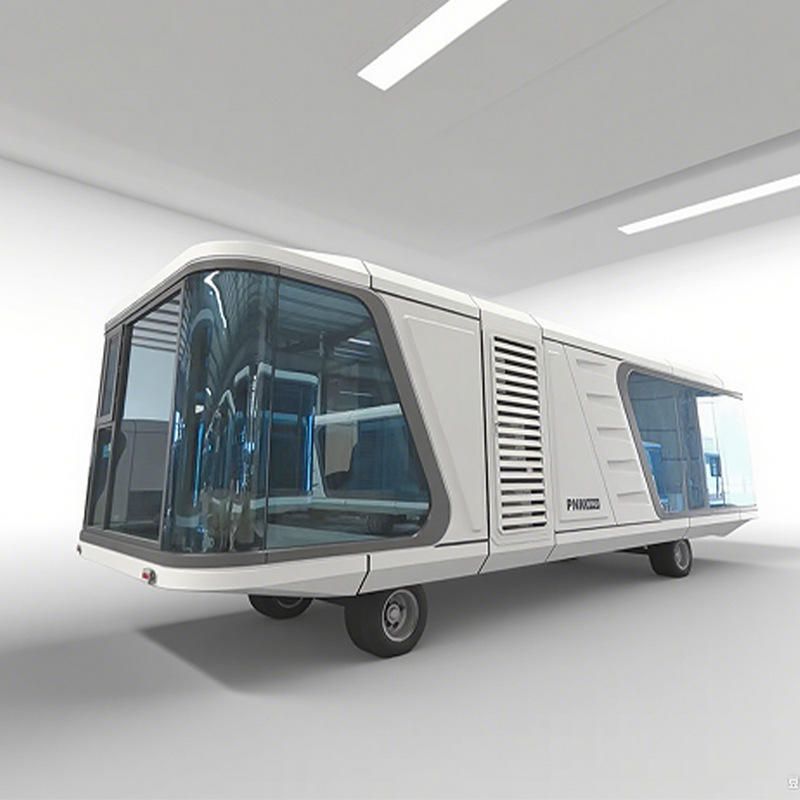
- Mobile Toilets: These are primarily made of steel or plastic, equipped with foot-operated packing toilets, and can be quickly disassembled and assembled, suitable for temporary locations such as construction sites and exhibitions.
- Eco-Friendly Toilets: These emphasize resource recycling, with some models using biodegradation technology to treat waste, reducing the frequency of waste storage bin cleaning.
- Water-Flush Toilets (Foot-Pedal Version): Although they require a small amount of water, they control water flow through a foot-pedal flush button, reducing the risk of bacterial transmission, and are suitable for outdoor areas with water supply.
Mainstream brands include Fengjing Environmental Sanitation, Nuotai, etc., with products ranging from basic models to high-end customized options, meeting different budget and functional needs.
3. Materials and Suitable Scenarios
Material selection directly affects the durability and suitability of the toilet:
- Stainless Steel: 304 stainless steel is the preferred choice for high-end models due to its excellent corrosion resistance, suitable for coastal or high-humidity areas.
- Steel Structure: High strength and low cost, often used for large mobile toilets, but require regular rust prevention treatment.
- Plastic: Lightweight and easy to clean, often used for temporary events or children's toilets.
4. Advantages and Limitations
Advantages include water-free operation, reducing water resource dependence; odor prevention design effectively isolates odors through sealed packaging bags or biodegradation technology; and hygienic operation, with foot pedals replacing hand contact, reducing germ transmission. Limitations include limited waste storage bin capacity, requiring regular cleaning; and in extreme climates (such as severe cold), plastic components may become brittle and require additional protection.



