
Foam-type Trailer Mobile Toilet
The foam-type trailer mobile toilet is a public sanitation facility that combines foam technology with the mobility of trailers, achieving water conservation and sanitation assurance by using foam instead of clean water for flushing.
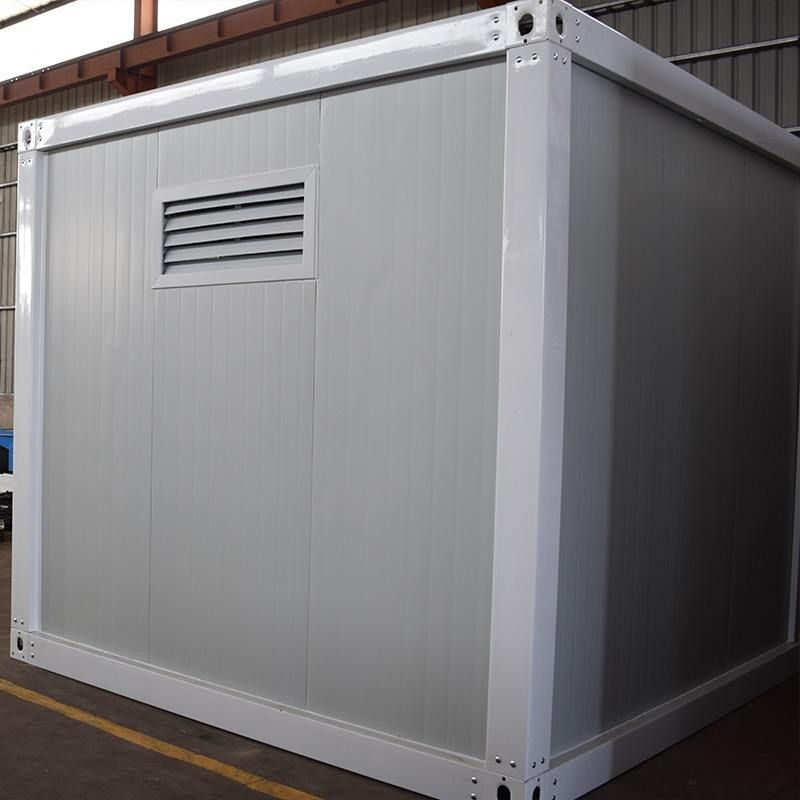
Core Working Principle
The foam-type trailer mobile toilet generates foam by mixing foaming liquid with air, with a volume expansion ratio of up to 20 to 30 times. The foam forms a sealing layer over waste, lubricating the pipes to reduce blockage risks and suppressing odor diffusion. This process requires no large amount of clean water; only a small amount of foaming liquid is needed to maintain a hygienic environment, significantly reducing water consumption.
Core System Components
- Foaming Liquid Storage and Supply Module: Uses a corrosion-resistant polyethylene tank to store the foaming liquid, equipped with a liquid level sensor for real-time monitoring of liquid levels to ensure a continuous and stable supply.
- Pneumatic Foaming Module: Comprises an air compressor, air circuit regulator, and foaming head. The air compressor provides high-pressure air, the air circuit regulator controls air pressure and flow, and the foaming head thoroughly mixes the foaming liquid with air to produce fine foam.
- Control and Monitoring Module: Utilizes intelligent algorithms to automatically adjust the foaming interval and the amount of foam per use based on frequency of use, adopting an “on-demand foaming” mode to balance resource utilization with sanitation needs. For example, in high-frequency usage scenarios, the foaming interval is shortened, while in low-frequency scenarios, the amount of foam is reduced.
Customized Technical Adjustments
Adjustments to the foaming liquid formulation and system design are required based on the climatic characteristics of different regions:
- Hubei Region: In summer, with high temperatures and humidity, the concentration of surfactants in the foaming liquid needs to be increased to enhance foam stability; during the plum rain season, when humidity exceeds 80%, the foam retention time needs to be extended to over 8 hours; in winter, with low temperatures, antifreeze components need to be added, and electric tracing or insulation layers should be used to prevent liquid freezing.
- Extreme Environment Adaptation: Some models integrate vacuum foaming waterless technology, equipped with microbial treatment systems and constant-temperature systems resistant to temperatures as low as -45°C, suitable for high-altitude or low-temperature regions.
Structural and Environmental Advantages
Modular design is another feature of the foam-type trailer mobile toilet. Each module is connected via quick-release latches and seals, facilitating easy disassembly and reassembly to meet frequent relocation needs. Additionally, some models use microbial degradation technology to treat waste, further reducing sewage discharge and meeting the environmental requirements of temporary public toilet scenarios such as large-scale event sites.



