
Back to blog
Article
Practices of Foam Mobile Toilets
Admin October 05, 2026
The practices of foam mobile toilets mainly involve aspects such as working principles, system composition and operation, toilet fixture and structural design, as well as maintenance points.
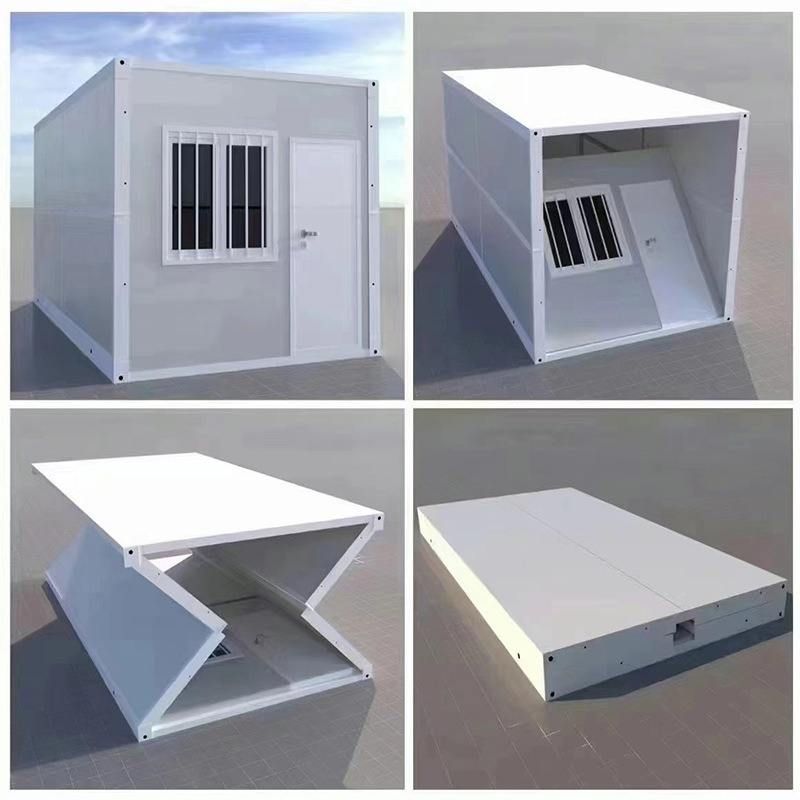
Working Principles: Foam mobile toilets utilize a foaming agent mixed with water in specific proportions to form a foaming liquid. Through the action of compressed air, a large amount of foam is generated to replace the traditional flushing method. The lubricity of the foam helps feces slide down smoothly, while the foam layer covering the sewage outlet forms a sealed barrier, effectively blocking the diffusion of foul odors and reducing odor leakage.
System Composition and Operation:
- It needs to be connected to a water supply system, and special foaming agents or dishwashing detergents are added as foaming raw materials.
- The foaming device is usually installed inside or outside the toilet and is controlled by an automatic control system to start and stop at set times. During operation, the device mixes the foaming agent with water in proportion and generates foam through the action of airflow, which is then delivered to the surface of the toilet fixtures.
- The system is mostly controlled by a microcomputer, integrating functions such as foaming, lighting, and ventilation, and can automatically adjust the operating mode according to usage requirements.
Toilet Fixture and Structural Design:
- The materials of the toilet fixtures are mainly stainless steel or plastic, with a smooth internal surface to ensure uniform foam coverage and easy cleaning.
- A waste collection container is installed at the bottom of the toilet, with its capacity designed according to the frequency of use to avoid frequent cleaning. The container must be sealed to prevent waste leakage or odor diffusion.
Maintenance Points:
- Regularly check the operating status of the foaming device, including the remaining amount of the foaming agent, the patency of the pipelines, and the stability of the electrical components, to ensure the normal operation of the system.
- The foaming agent should be added strictly according to the proportions specified in the instructions to avoid over- or under-dosing. The replenishment cycle can be determined by observing through a window or a prompting device and is usually related to the frequency of use.
- The interior of the toilet should be cleaned regularly. Use a neutral cleaning agent to wipe the surface of the toilet fixtures, the interfaces of the waste collection container, and the foam injection ports to avoid corrosion of the materials by strong acids or alkalis.
- Odor control should be combined with ventilation design. Install exhaust fans on the top or side walls to promote air circulation. Regularly check the operating status of the fans and clean the dust screens to ensure ventilation efficiency.



