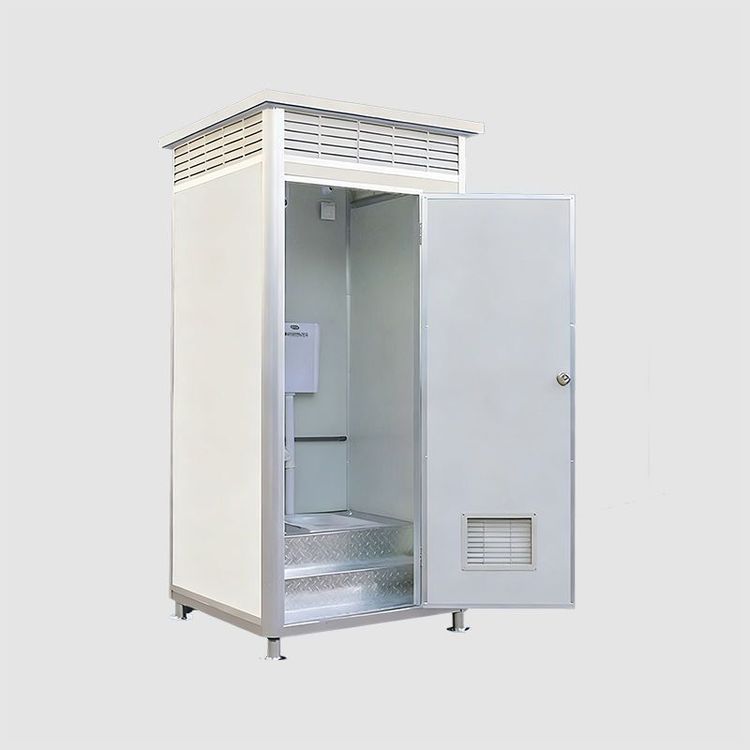
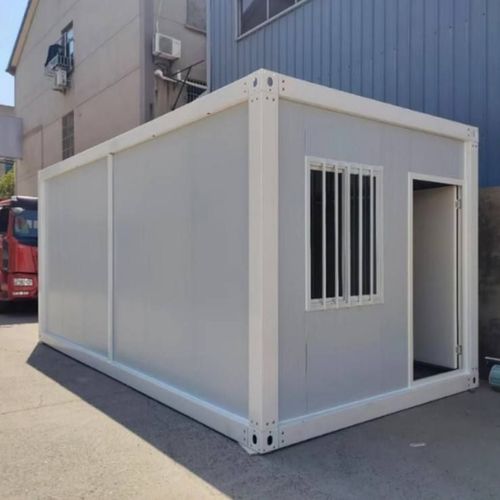
Foam Mobile Toilet Installation
The installation of foam mobile toilets requires consideration of service content, installation requirements, procedures, and subsequent maintenance to ensure the safety, hygiene, and sustainable operation of the facilities.

Installation Service Content
The installation of foam mobile toilets typically involves an integrated service that includes transportation, on-site installation, commissioning, and subsequent maintenance. The core objective is to quickly deploy temporary or semi-permanent public restroom facilities and ensure they have stable functionality. The service provider needs to design an installation plan based on site conditions, such as choosing between fixed or movable structures, and coordinating the layout of water and electricity access and sewage discharge channels.
Installation Requirements
- Ground Conditions: The ground must be level and have sufficient load-bearing capacity to prevent equipment tilting or damage due to unstable foundations. If installed outdoors, wind-resistant reinforcement measures should be considered, such as using ground anchors or counterweights for fixation.
- Power Access: The foam system relies on electric power for operation, requiring a stable power supply and ensuring circuit waterproofing to prevent electric shock risks.
- Sewage Discharge Channel: Independent sewage pipes or fecal storage tanks should be planned to ensure sealed transportation of fecal matter and prevent environmental pollution from leaks.
- Freeze Protection and Insulation: In cold regions, insulation treatment should be applied to water tanks, pipelines, and other components to prevent equipment damage from freezing at low temperatures.
Installation Procedures
- Ground Fixation: Choose between expansion bolt fixation or counterweight ballast based on the equipment type to ensure stability.
- Water and Electricity Access: Connect the power supply and test circuit safety, access the water source (if it is a flush type) or configure an independent water tank.
- Sewage Connection: Connect the sewage pipe to the municipal pipeline or fecal storage tank, ensuring tightness.
- Foam System Commissioning: Inject dedicated foam liquid, adjust the foaming ratio and flushing frequency, and verify system stability.
- Signage Setup: Post usage instructions, safety warnings, and maintenance contact information to guide users in proper usage.
Post-Installation Maintenance
During the lease period, the service provider needs to regularly inspect the equipment's operational status, replenish foam liquid, clean pipelines, and remove fecal storage tanks. The maintenance frequency depends on usage intensity, such as daily inspection of consumable levels in high-traffic scenarios and increased freeze protection checks in winter. A clear fault response mechanism should be established, such as repairing pipe blockages or circuit faults within 24 hours to ensure continuous toilet availability.
Impact of Installation Quality
Installation quality directly affects usage safety and hygiene. Unstable ground fixation may lead to equipment overturning, sewage leaks can pollute the environment, and foam system failures can impact flushing efficiency. Therefore, the service provider and user need to clarify responsibility boundaries, such as specifying inspection frequencies, the party responsible for replenishing consumables, and establishing a fault reporting process to ensure timely resolution of issues.