
Fire Station Container House
A fire station container house is a fire station facility constructed with containers as the basic units, featuring modularization and rapid deployment, but requiring strict control of fire safety standards.

Structural and Functional Characteristics
Fire station container houses typically use individual containers as the basic units. They are constructed through the model of 'factory pre-processing + on-site rapid assembly', enabling the integrated delivery of functional modules. Internally, they cover core areas such as communication rooms, equipment warehouses, garages, duty rooms, and washrooms, meeting the daily duty, training, and living needs of fire stations. For example, the Sanleng Intelligent Modular Fire Station integrates fire-fighting facilities into containers through standardized design, shortening the construction cycle and enhancing flexibility.
Fire Safety Hazards and Prevention
Material Hazards
To reduce costs, some container houses use flammable sandwich materials such as polystyrene and polyurethane foam. These materials melt and drip at 80℃, triggering the spread of fire. Solution: Fill with Class A fire-resistant materials such as rock wool boards and fireproof cotton to enhance fire resistance.Electrical Fire Risks
Electrical circuit failures are one of the main causes of fires. For example, a fire in a container-modified house in Langfang City was caused by an electrical switch circuit failure that ignited weeds. Preventive Measures: Install protective sleeves on wires and cables, use metal galvanized boxes for sockets and switch boxes and install them openly, and regularly inspect electrical circuits.Evacuation and Fire Extinguishing Challenges
The internal passages of container houses are narrow, and fires can hinder evacuation due to the collapse of steel structures (which lose their load-bearing capacity within 10 minutes). Response Strategies: Maintain a safe distance of at least 6 meters between container rooms, equip with simple fire-fighting equipment, and ensure unobstructed evacuation routes.
Practical Application Cases
Community Micro Fire Stations
Shanghai Wanli Street uses containers to build micro fire stations, integrating an advanced fire emergency system and achieving 24-hour duty and standby, becoming a model of joint construction by the street and units, and co-construction by the fire department and the public security bureau.Training Facility Renovation
The Xingfu Road Fire Rescue Station uses containers to build a fire simulation training room, enhancing firefighters' rescue capabilities in harsh environments by replicating room structures and setting up smoke channels with obstacles to pass through.
Purchase and Usage Recommendations
- Prioritize Compliant Products: Verify supplier qualifications and request fire-resistant material test reports and fire resistance limit certificates.
- Standardize Installation and Maintenance: Avoid occupying evacuation routes and regularly inspect the electrical system and the effectiveness of fire-fighting equipment.
- Personnel Training: Provide fire safety education to users, enabling them to master initial fire extinguishing and evacuation skills.
You may also like
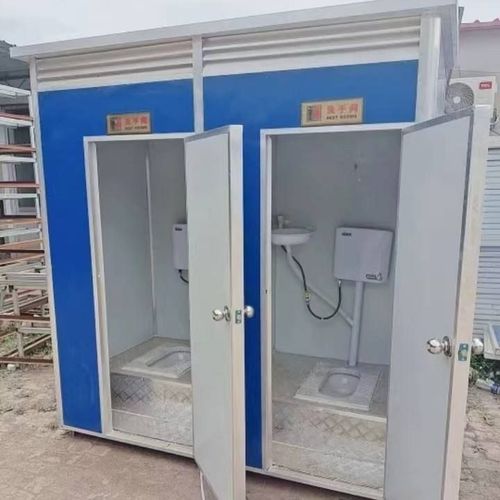
Portable Toilet Drawings: Types, Features & Buying Tips
Read More
Portable Toilet Movable Specifications Size & Area Guide: Finding the Right Fit
Read More
Portable Toilet Partition: A Practical Buyer's Guide
Read More