
Fengxian Mobile Toilet Installation
The installation process of mobile toilets in Fengxian typically includes four core steps: site survey, foundation fixing, water and electricity connection, and facility debugging. Specific operations need to be adjusted according to the toilet type and site conditions.
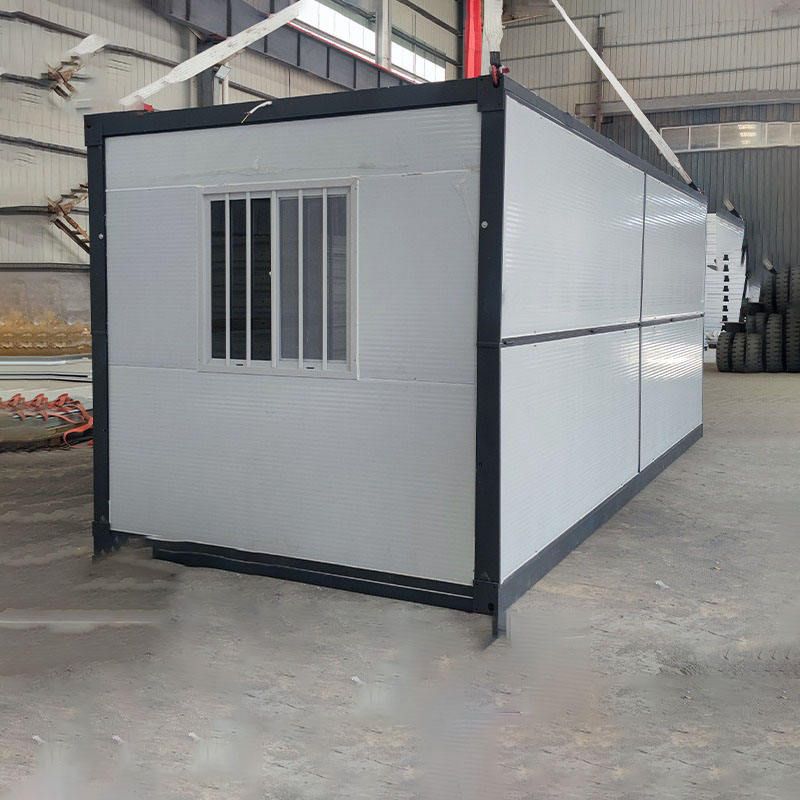
1. Site Survey and Planning Before installation, a detailed site survey is required. Priority should be given to areas with higher elevation and good drainage, avoiding low-lying areas prone to water accumulation, areas beneath high-voltage power lines, and busy pedestrian pathways. At least 1.5 meters of operating space should be reserved to ensure convenient equipment hoisting, maintenance, and personnel passage. If the site has soft soil foundation, hardening treatment or laying anti-settlement pads should be carried out in advance to prevent equipment tilting or damage due to unstable foundation.
2. Foundation Fixing and Level Adjustment After placing the mobile toilet in the planned position, a level should be used to calibrate the equipment's levelness. If the ground is uneven, adjustable feet at the bottom of the equipment or additional metal shims can be used for leveling to ensure uniform contact between the equipment's four corners and the ground. The bottom bolts should be tightened during fixation to prevent equipment displacement due to external forces (such as wind or personnel activity). For integrated box-type toilets, this step can be simplified to directly hoisting onto the hardened foundation with only minor level adjustments required.
3. Water and Electricity Connection Specifications
- Drainage System: When connecting the sewage pipe, ensure the pipe slope is ≥2% to prevent sewage backflow or deposition. The joints should be sealed with sealing tape or waterproof glue to prevent leakage. If there is no municipal sewage pipe network on site, a septic tank or sewage collection tank should be configured and cleaned regularly.
- Power Supply System: The power supply lines should be operated by professional electricians to avoid unauthorized connections. The equipment should be equipped with leakage protection devices, and the grounding wire must be reliably connected to ensure electrical safety. If a solar power supply system is used, the sunlight conditions should be evaluated in advance and the solar panel angle adjusted accordingly.
4. Internal and External Facility Debugging After installation, comprehensive debugging should be carried out:
- Check if the flushing system is sensitive. The water tank should be filled with water in advance for testing to ensure no leakage or blockage;
- Confirm that components such as doors, locks, and toilet paper holders are firmly installed and operate smoothly;
- Test the functions of auxiliary equipment such as lighting and ventilation to ensure normal operation.
Factors Affecting Installation Efficiency Integrated box-type toilets, due to their modular design, are simpler to install. Only hoisting, water and electricity connection, and simple debugging are required on site, with an overall time consumption of approximately 2-4 hours. For traditional brick-and-mortar mobile toilets or scenarios requiring customized modifications, the installation time may be extended to 1-2 days, depending on the complexity of foundation treatment and the completeness of supporting facilities.



