
Farm Mobile Toilet Rental
Renting mobile toilets for farms is a practical and effective solution for addressing toilet needs during rural outdoor events. As independent, movable temporary sanitation facilities, mobile toilets do not rely on fixed sewer systems. They are equipped with basic facilities such as waste storage tanks, flushing mechanisms, and hand sanitizers, providing a relatively hygienic and private environment for use. They are suitable for various scenarios including weddings, temple fairs, markets, and sports events.
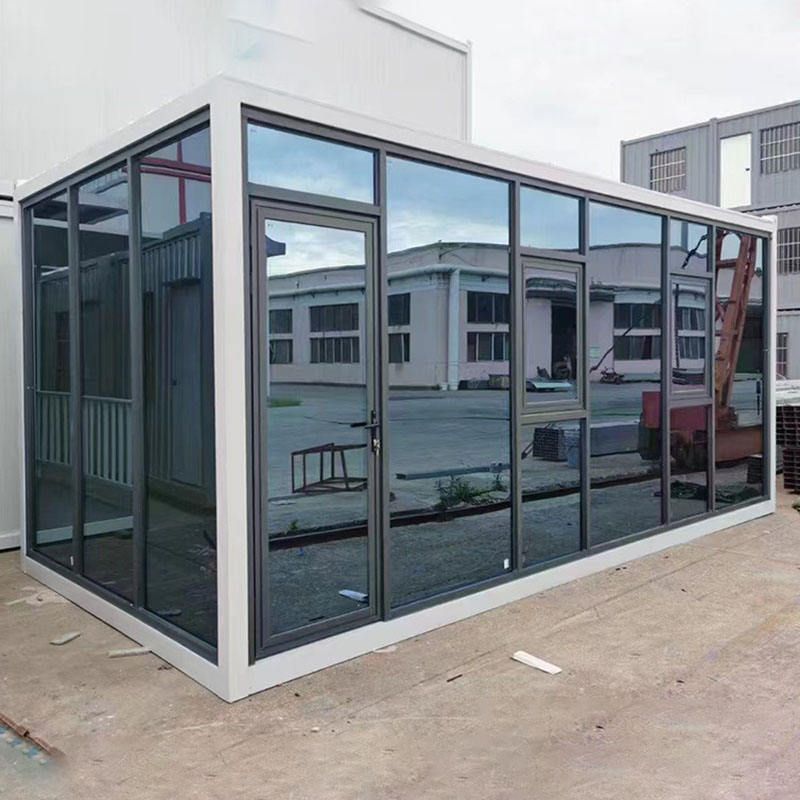
Advantages of renting mobile toilets:
- Meeting practical needs and enhancing convenience: Farm events often involve a large number of participants and are held far from residential areas. Renting mobile toilets allows for flexible placement around the venue, creating temporary sanitation service points. This reduces the time participants spend searching for toilets and helps maintain event order.
- Ensuring environmental hygiene: Mobile toilets are equipped with specialized collection devices that centralize waste treatment, preventing direct discharge. After the event, service providers clean and remove the waste uniformly, avoiding long-term environmental burdens.
- Flexibility and adaptability: Mobile toilets come in a variety of models, ranging from simple single units to multi-compartment and barrier-free designs. Organizers can choose the appropriate type based on the scale of the event and the characteristics of the participants. They also have low site requirements and can adapt to diverse rural terrains.
- Cost-effectiveness and operability: Compared to building fixed toilets, rental costs are lower. Organizers only need to pay rental and service fees, without bearing the costs of construction, maintenance, and management. Additionally, the process from contacting service providers to on-site installation is simple, saving time and labor.
Rental steps:
- Assess needs: Determine the event date, duration, number of participants, and actual site conditions. Identify the placement location for mobile toilets and consider the convenience of transport vehicle access and equipment installation.
- Choose type and quantity: Based on the needs assessment, communicate with service providers to select the appropriate type. Standard single units are suitable for most situations; high-specification or long-duration events can opt for flushing models; when there are special participants, barrier-free designs can be chosen.
Some merchants offer mobile toilets that are aesthetically pleasing, lightweight, and easy to transport. They require no installation, water, or electricity, occupy little space, and are not restricted by the site. During use, comprehensive cleaning services are provided. Rental toilet types include dry toilets and flushing mobile toilets, available in high, medium, and low grades. Moreover, hundreds of devices are over 80% new, meeting different needs.



