
Back to blog
Article
Fang Cang Mobile Container House
Admin September 17, 2026
The Fang Cang mobile container house is a habitable or office building transformed from a basic container module, featuring environmental friendliness, flexibility, and low cost, widely applied in multiple fields.
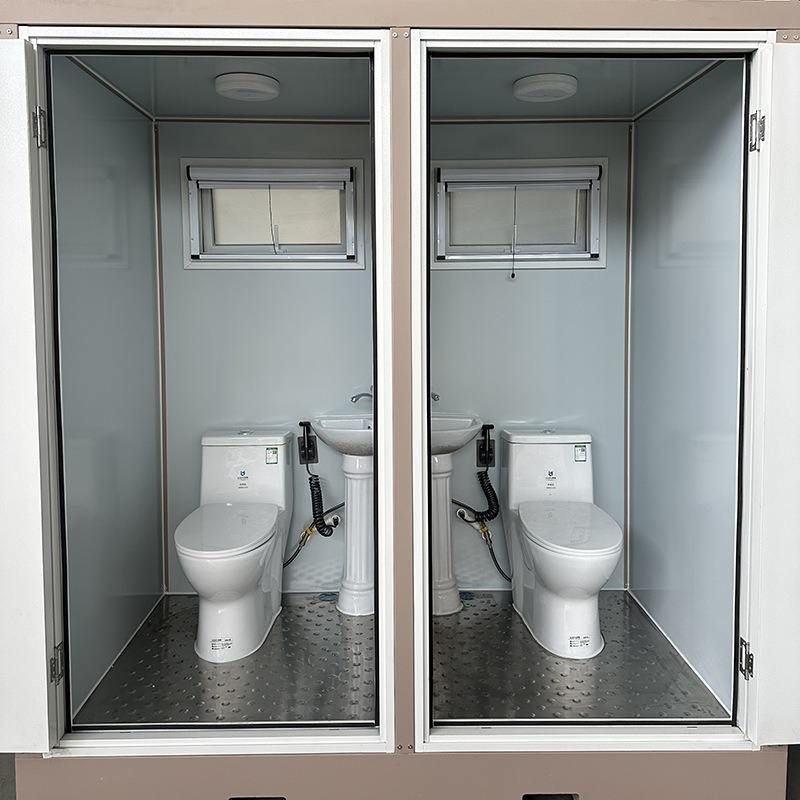
I. Basic Concepts and Features The Fang Cang mobile container house, also known as a container house or residential container, is based on a standard container structure and achieves residential or office functions through internal modifications. Its core features include:
- Sturdy Structure: High-strength steel (such as Q355B grade) is used as the main frame, forming a self-balancing system through rigid connections between corner fittings and side beams, reducing material usage while ensuring structural stability.
- Environmentally Friendly and Flexible: Materials are recyclable, and the design is modular, facilitating rapid setup, dismantling, and relocation to meet temporary needs.
- Low Cost: Compared to traditional buildings, the construction, transportation, and maintenance costs of container houses are significantly reduced, making them particularly suitable for budget-constrained scenarios.
II. Application Scenarios
- Temporary Housing: Worker dormitories on construction sites, emergency shelters after disasters, etc. For example, the 2026 Nagoya Asian Games in Japan used container houses to form the Asian Games Village.
- Creative Spaces: Innovative commercial applications, such as 24-hour self-service fitness pods and unique homestay attractions (e.g., container homestays in Shanting District, Zaozhuang City, Shandong Province, China).
- Emergency Facilities: Rapid deployment of temporary hospitals and testing stations in the medical field, leveraging their quick setup and modular advantages.
III. Design and Performance Optimization
- Envelope Structure: A three-layer composite structure of "rock wool-air layer-aluminum-zinc coated steel plate" is used to reduce the heat transfer coefficient, minimize condensation risk, and enhance thermal insulation performance.
- Connection Technology: A dual-fixing mode of "wedge lock + high-strength bolt" is introduced at the container connections to enhance earthquake resistance and adapt to complex geological conditions.
- Coating System: A combination of "epoxy zinc-rich primer + polyurethane topcoat" is used to extend the service life of the container's main structure and resist corrosion and harsh environments.
- Recycling: A recycling path for waste container materials is planned to reduce resource waste and align with sustainable development principles.
IV. Market Prices Prices for mobile container houses vary significantly depending on style, size, material, and functionality. For example:
- The wholesale price of a 700 double-wing folding expandable container house is 495.0 yuan;
- The包邮 price of a construction site dormitory folding house is 100.0 yuan;
- The price of a gable-roofed quick-assembly small unit is 1390.0 yuan. Price fluctuations are mainly influenced by material costs, design complexity, and additional features (such as insulation and ventilation systems).



