
Family Portable Toilet
Family portable toilets can be made or selected through the following options:
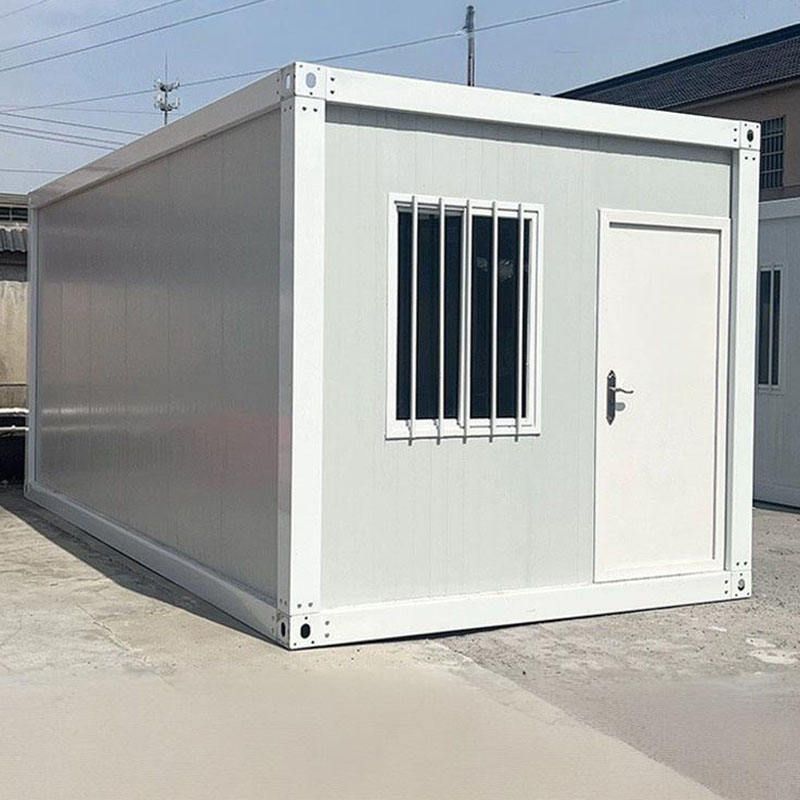
Option 1: Make a portable toilet using a water storage tank This option requires preparations such as a water storage tank, angle grinder, wooden board, universal wheels, wooden strips, sponge strips, plastic soft boards, drainage pipes, and a toilet. First, use the angle grinder to split the water storage tank in half, with the upper part serving as the roof and the lower part as the main structure. Then, fix universal wheels at the four corners of the wooden board for mobility. Use wooden strips to increase the height of the wooden board to match that of the water storage tank. Cut an opening on the side of the water storage tank for the door, install sponge strips to form the door frame, and insert plastic soft boards to create walls, ensuring airtightness and privacy. Cut a hole at the bottom of the tank, install a drainage pipe to form a floor drain for easy sewage discharge. Finally, cut holes on the side to connect interfaces and install a toilet, water tank, bath heater, washbasin, and other devices to meet basic usage needs. This option is cost-effective but requires some hands-on skills, suitable for those with some crafting experience.
Option 2: Choose a portable toilet seat There are portable toilet seats specifically designed for the elderly and pregnant women on the market, featuring super strong load-bearing capacity, deep toilet bowls to prevent splashing, and equipped with handles and lids for easy cleaning and movement. These toilet seats are usually made of lightweight materials, making them easy to carry. Their ergonomic design ensures comfort during use, and they require no complex installation, allowing them to be placed directly in a corner of a room or bathroom. This option is simple to operate, suitable for temporary family use or individuals with mobility issues.
Option 3: Make a solar-powered portable toilet using a water storage tank This option adds solar power functionality to Option 1, but the specific manufacturing process is not detailed. It is speculated that solar panels may be installed on the top or side of the water storage tank to power lighting, bath heaters, and other devices in the toilet, achieving energy conservation and environmental protection. This option is suitable for outdoor use or areas with inconvenient power supply, but it has a higher manufacturing difficulty and requires knowledge of solar system installation.



