Factory-Direct Supply Mobile Toilet Design
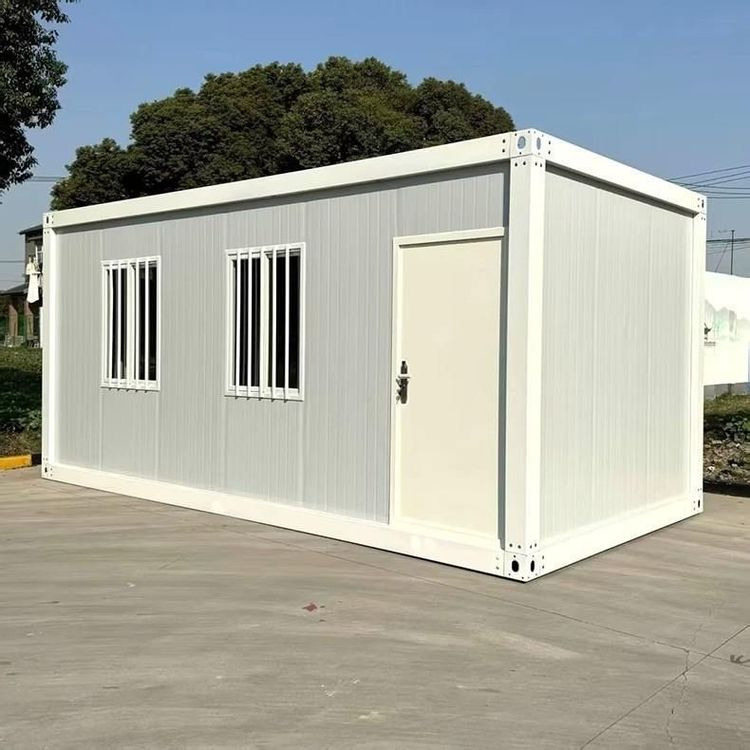
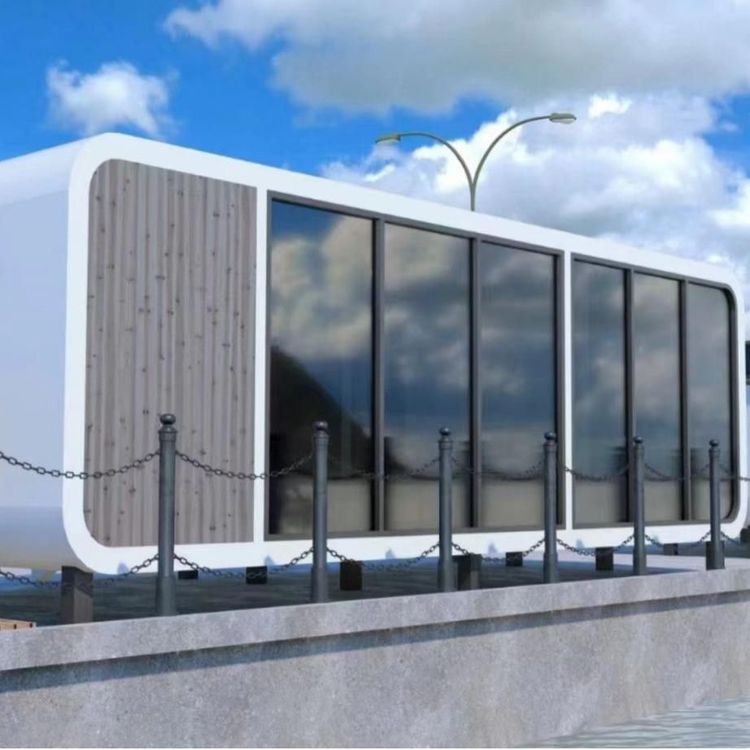
The design of factory-direct supply mobile toilets focuses on modularity and customizability, meeting diverse scenario demands through standardized production and flexible assembly, while combining environmental friendliness and cost-effectiveness.
1. Modular Structural Design
Mobile toilets adopt an independent unit decomposition model, dividing the main structure, sewage system, ventilation equipment, etc., into standardized modules. Each module can be disassembled and stacked, allowing a single truck to carry multiple sets of equipment during transportation, significantly reducing logistics costs; the manufacturing cycle is shortened to a few days to a few weeks, much shorter than traditional construction timelines. For example, Shandong Changhesheng Environmental Protection Equipment Co., Ltd. achieves full-process production from plate cutting to finished product assembly in its own factory, supporting rapid delivery. Modular design also facilitates later maintenance, as damaged components can be replaced individually, extending the overall service life.
2. Customized Functionality for Scenario Adaptation
Adjusting module types and quantities according to usage scenarios is key to the design. Scenic area toilets can add observation windows, music festivals can use dual-stall combinations to improve usage efficiency, and remote areas can integrate solar power supply and sewage storage systems. For example, the YT-C04 model from Shanghai Yiting Kiosk Manufacturer includes a management room and a dedicated restroom for disabled individuals, supporting gable roof design and concealed wiring optimization to meet accessibility needs in public spaces. Additionally, material selection is flexible, with stainless steel or metal carved panels suitable for industrial parks, and non-slip aluminum flooring enhancing safety.
3. Integrated Application of Environmental Technologies
Mobile toilets reduce resource consumption and pollution through multiple technologies:
- Water-saving technology: Vacuum suction or micro-flush technology controls single-flush water usage at 0.5-1 liters, suitable for water-scarce areas;
- Biodegradation: Waste is treated by microorganisms into harmless fertilizer, and separated urine can be used for irrigation;
- Energy self-sufficiency: A 200W solar panel paired with an energy storage battery meets daily power needs, reducing reliance on the grid.
These technologies make mobile toilets compliant with green building standards, particularly suitable for ecologically sensitive areas or temporary event scenarios.
4. Material and Craftsmanship Ensuring Durability
The main structure is welded from 1001003mm galvanized square tubes, with asphalt shingles or glazed tiles on the roof, and non-slip aluminum or ceramic tiles for the floor, ensuring corrosion resistance and easy cleaning. Three sewage disposal options are provided: water-flush direct discharge, waterless packaging, and foam sealing, adapting to different environmental conditions. For example, insulated materials can be used in cold regions to prevent pipe freezing, while high-traffic scenarios require enhanced sewage system processing capacity.
Some factories also offer free design services, such as Shandong Changhesheng supporting orders from a single unit, custom designs based on drawings, and turnkey solutions, while Shanghai Yiting can provide complete optimization plans, further reducing customer decision-making costs.