
Ezhou Small Mobile Toilet Plan
The Ezhou small mobile toilet plan needs to be comprehensively designed by combining scenario requirements, construction standards, and leasing considerations. Details are as follows:
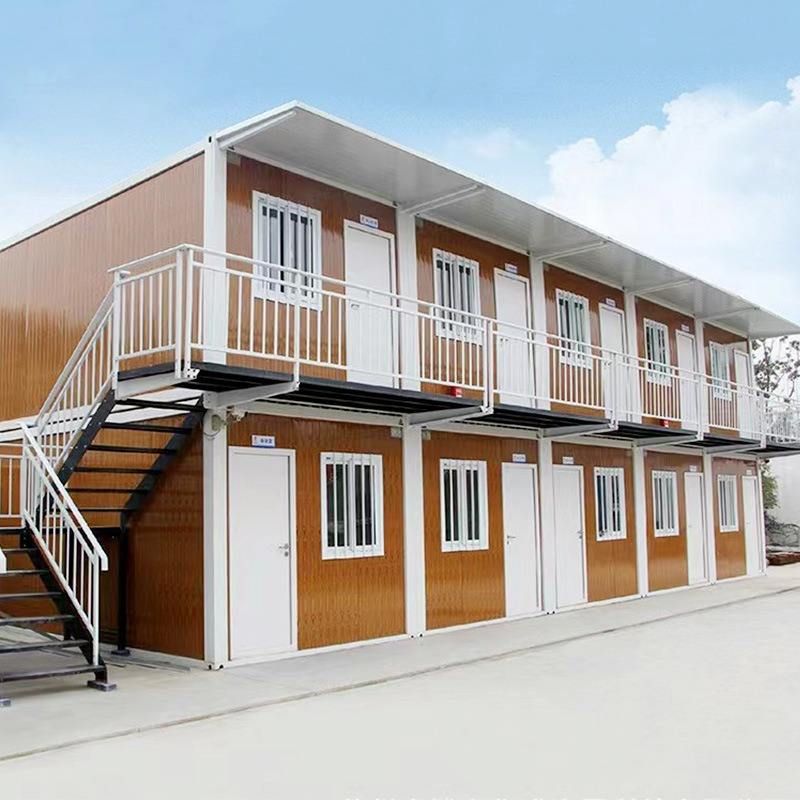
I. Typical Scenarios and Construction Scale
Small mobile toilets in Ezhou are mainly used in densely populated areas such as squares and parks to address the issues of insufficient public toilet numbers and uneven distribution. For example, two mobile toilets with individual dimensions of 6m×3m are constructed in XX Square, including 3 regular toilet stalls, 1 accessible toilet stall, and 1 management room; two mobile toilets with individual dimensions of 5m×3m are constructed in XX Park, including 2 regular toilet stalls, 1 accessible toilet stall, and 1 hand-washing area. Such designs can adjust the number of toilet stalls according to the actual pedestrian traffic to ensure usage needs during peak hours.
II. Structural and Functional Standards
Mobile toilets are prefabricated using integrated steel structural frames paired with eco-friendly panels. The on-site construction process includes foundation construction, equipment hoisting, and pipeline connections. Functionally, they need to meet the three basic requirements of water supply, power supply, and sewage disposal, and comply with the "Urban Public Toilet Design Standard" (CJJ14-2016) and the construction requirements for sanitation facilities in Ezhou City. For example, accessible toilet stalls need to be equipped with handrails and emergency call devices, and the spacing between toilet stalls and door widths need to comply with ergonomic standards; the sewage disposal system needs to be connected to the municipal sewer network or an independent septic tank to avoid environmental pollution.
III. Customized Configuration for Leasing Scenarios
If choosing to lease mobile toilets, the plan needs to be adjusted according to the core requirements of the scenario:
- Quantity Matching: Estimate toilet stall requirements based on the scale of the event. For example, a small gathering of 100 people can be equipped with 2 restrooms to avoid resource waste.
- Equipment Type Selection: Outdoor venues need to consider ground bearing capacity and drainage conditions. If the venue is soft soil or grass, wheeled mobile toilets should be selected to reduce damage to the ground; if it is a hard surface, fixed equipment can be chosen to reduce costs.
- Special Requirement Customization: Customized configurations can be proposed for special requirements of small events (such as nursing rooms and children's toilet stalls) to enhance the user experience.
- Additional Service Optimization: The leasing contract should clearly specify terms such as cleaning frequency (e.g., twice a day) and maintenance response speed (e.g., arrival within 2 hours) to reduce later maintenance costs.
IV. Balancing Cost and Efficiency
When constructing or leasing mobile toilets, it is necessary to comprehensively evaluate initial investment and long-term operating costs. For example, although prefabricated steel structural toilets have higher initial costs, they have a short construction period and can be reused, making them suitable for long-term needs; the leasing model is suitable for short-term events, but attention should be paid to the operation and maintenance capabilities of the service provider to avoid affecting usage due to equipment failures.
You may also like

Portable Toilet Used in 2026: Buying Guide & Recommendations
Read More
Portable Toilet Custom Explained: How to Choose the Right One
Read More
Top Portable Toilet Smart Manufacturers: How to Choose a Factory Partner
Read More