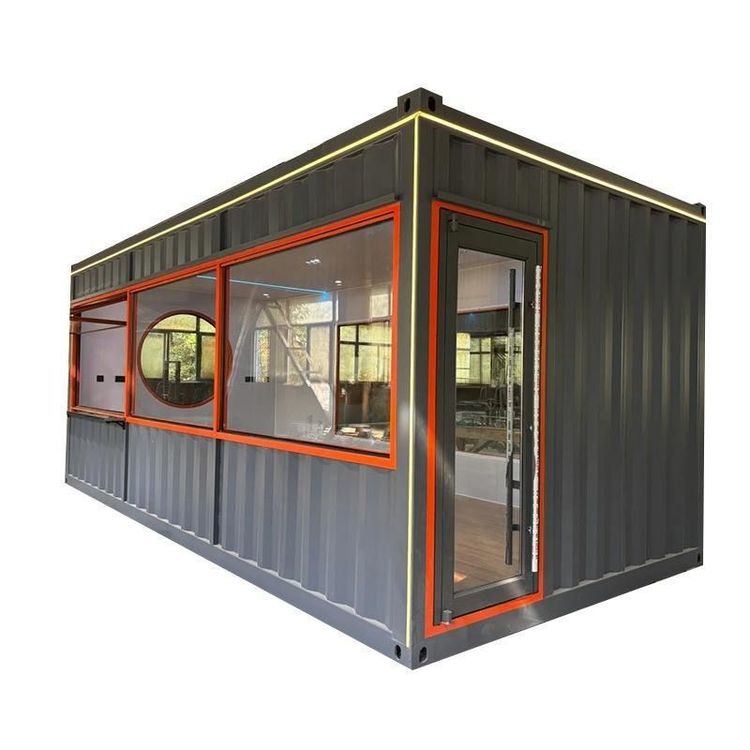
Ezhou Circulating Water Mobile Toilet
The Ezhou circulating water mobile toilet is a mobile environmentally friendly public toilet that does not require external water supply and drainage pipes and has the ability to instantly treat and recycle waste. Its core characteristics can be analyzed from four aspects: operational mechanism, structural composition, rental applicability, and environmental benefits.
1. Operational mechanism: Closed-loop waste treatment and recycling
This toilet achieves resource recycling through an independent physical-biochemical treatment unit. After flushing, excrement enters a closed solid-liquid separation chamber: The solid part is degraded by microorganisms into stable organic residues, which can be used as soil conditioners; The liquid part undergoes multi-stage filtration (activated carbon adsorption, ultraviolet disinfection) to meet the standards for reclaimed water reuse, which is used for subsequent flushing or equipment cleaning. This process does not require municipal sewage pipes and only requires regular cleaning of solid residues, significantly reducing dependence on external infrastructure.
2. Structural composition: Modular design ensures functional stability
The toilet consists of three core modules:
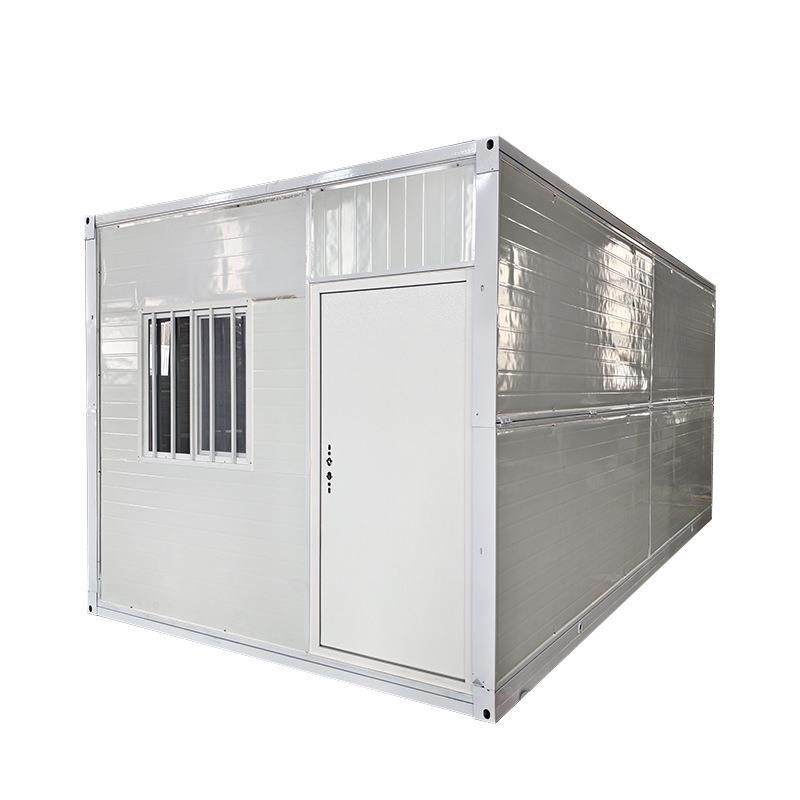
- Box unit: Made of high-strength anti-corrosion composite panels, it has heat insulation and moisture-proof properties, adapting to outdoor temperature variations;
- Circulating water treatment module: Includes a microbial reactor, sedimentation tank, and disinfection device. The treatment capacity determines the usage frequency (e.g., the standard model supports 150-200 people per day);
- Intelligent control system: Monitors water level, odor concentration, and equipment status in real-time through sensors, automatically triggering alarms for maintenance. Some models integrate solar power panels for self-sufficiency in energy.
3. Rental applicability: An economical choice for long-term high-demand scenarios
Although the initial rental cost is relatively high, it reduces the frequency of sewage suction, making it suitable for scenarios that require continuous use for more than 7 days and have high hygiene standards (such as large-scale events and multi-day exhibitions). The lessor matches the model according to the estimated number of users, event duration, and environmental conditions. The contract usually includes services provided by the operator, such as equipment inspections, reagent addition, and residue recovery, to ensure the stable operation of the system.
4. Environmental benefits: Significant reduction in resource consumption and waste
Over its entire life cycle, its water consumption is only about 10% of that of traditional flush toilets; the organic residues generated by biological degradation are reused after stabilization treatment, reducing the need for landfilling or incineration. Reliance on regular professional maintenance is the key to achieving environmental benefits, and the operator ensures the long-term effectiveness of the system through standardized services.