Back to blog
Article
External Thermal Insulation of Container Houses
Admin September 15, 2026
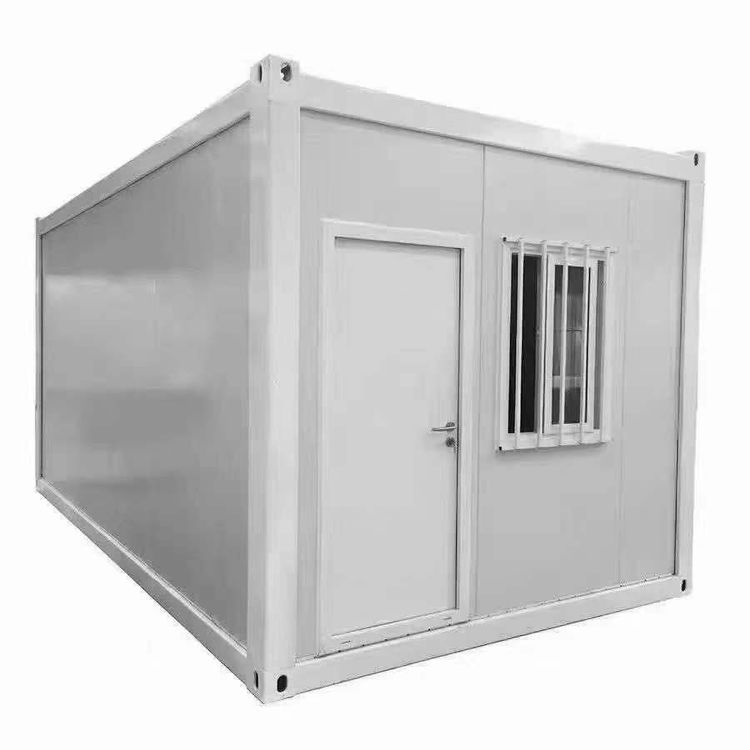
External thermal insulation of container houses can be achieved by selecting appropriate materials, optimizing structural design, focusing on splicing techniques, and strengthening detail handling. Details are as follows:

- Selecting appropriate thermal insulation materials: Common thermal insulation materials include polystyrene boards, polyurethane foam boards, and rock wool boards. These materials have low thermal conductivity and good thermal insulation properties, effectively blocking heat transfer and improving the thermal insulation performance of the house. For example, polyurethane foam boards can be used to increase foam thickness during the construction of container houses, providing excellent thermal insulation; rock wool also has certain thermal insulation effects.
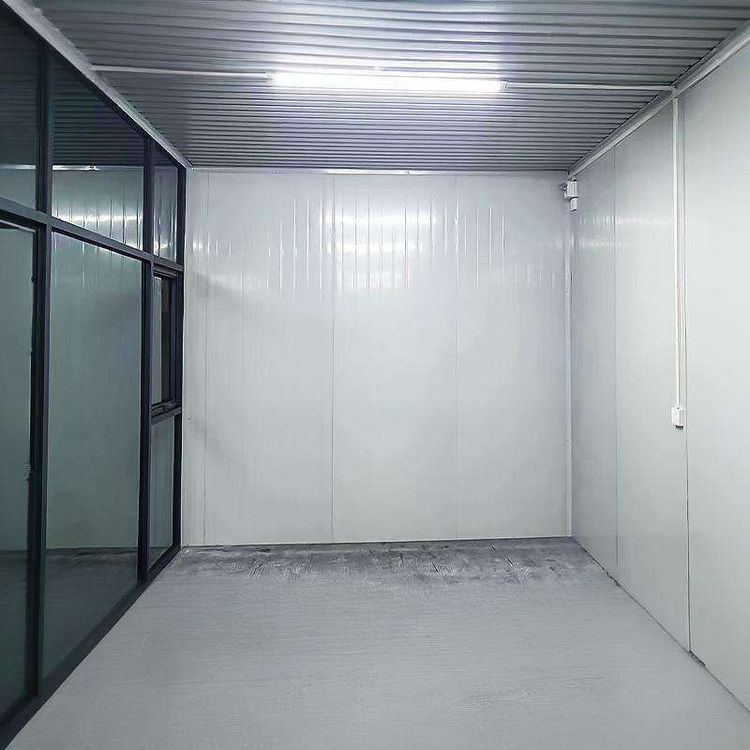
- Optimizing thermal insulation structural design: A bridge-cut-off lining structure can be adopted, filling hard polyurethane foam between the steel frame and interior wall panels, and installing rubber thermal insulation pads at the connections of the keels to reduce heat exchange efficiency between the interior and exterior of the container. The outer layer of anti-corrosion color-coated steel plates on residential container houses can reflect sunlight, the middle layer of polyurethane foam over 50mm blocks heat conduction, and the inner layer of fire-resistant gypsum boards combined with moisture-proof films work together to control humidity and temperature. This three-layer key structure effectively enhances thermal performance.
- Focusing on splicing techniques: If there are gaps at the splicing joints of temporary building panels, a cold bridge effect can easily occur, significantly reducing overall thermal insulation performance. Therefore, excellent sealing techniques should be adopted to minimize the impact of gaps. Appropriate sealing materials should be used at the splicing and connection points of thermal insulation materials to prevent heat leakage.
- Strengthening detail handling: The airtightness of the overall structure also affects thermal insulation performance. The fit between doors, windows, and frames, as well as the sealing treatment at corners, should be well done. Double- or triple-glazed windows and doors can be selected, and sealing strips can be installed at the edges to reduce heat leakage. Professional construction methods and materials should be used at the joints between the thermal insulation layer and the container structure to ensure airtightness and structural stability.
Related