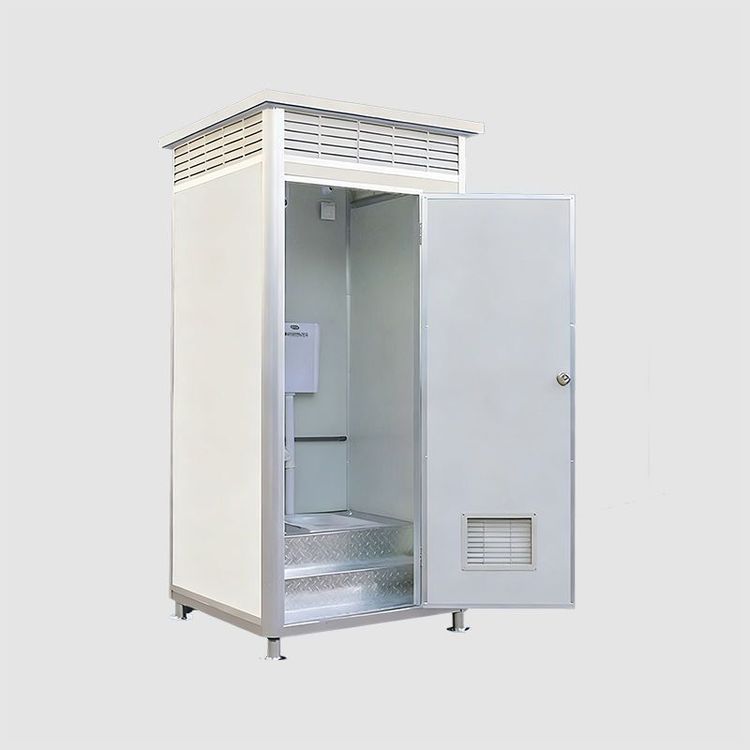
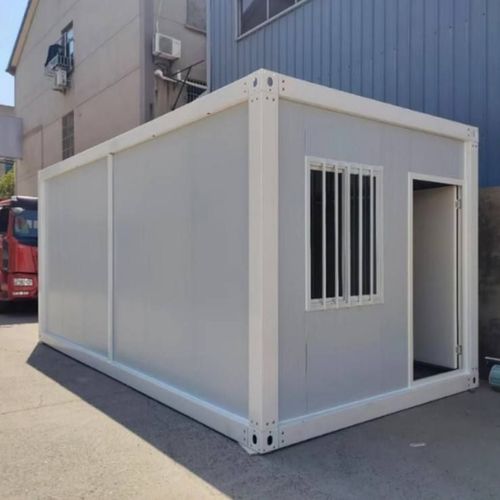
External Septic Tank Mobile Toilet
An external septic tank mobile toilet is a portable sanitation facility that integrates a septic tank system. It enables the natural decomposition of waste through a sealed septic tank, eliminating the need for connection to external sewage pipes and offering high flexibility and environmental protection.

Core Functions and Working Principle
The core function of an external septic tank mobile toilet is to collect and treat human waste through a sealed septic tank system. Its working principle is based on anaerobic bacterial decomposition: After waste enters the septic tank, anaerobic bacteria break down organic matter, producing biogas and sediment. The biogas is vented through the ventilation system, while the sediment remains at the bottom of the tank, forming sludge that can be periodically cleaned. This process requires no external energy and relies solely on natural microbial activity, reducing operating costs.
Structural Design and Material Characteristics
Such toilets are typically manufactured using lightweight materials (such as plastic or metal), with a modular design for the main structure, facilitating easy assembly and disassembly. The outer shell is often made of corrosion-resistant and easy-to-clean materials (such as polyethylene), ensuring durability over long-term use. The mobile design is equipped with wheels or handles for convenient transportation and redeployment. Some products (such as those from the Jinda brand) offer customization options, including single/double-pit designs, fiberglass materials, dimensions up to 1600×900×2400mm, a weight of approximately 80kg, and an operating temperature range of -15°C to 45°C, meeting diverse environmental needs.
Application Scenarios and Advantages
External septic tank mobile toilets are widely used in scenarios such as outdoor events, construction sites, and temporary gatherings. Their advantages are twofold:
- Flexibility: They can be rapidly deployed to areas without infrastructure without the need for sewage pipe installation, addressing temporary sanitation needs.
- Environmental Protection: Septic tank treatment reduces direct waste discharge, lowering the risk of soil and water source pollution and aligning with sustainable development requirements.
Maintenance and Costs
Maintenance requires avoiding the disposal of non-waste items (such as tissues and plastics) to prevent septic tank blockages. Professional personnel should regularly use sludge suction trucks to clean the sediment, with cleaning frequency adjusted based on usage (e.g., weekly cleaning for high-frequency usage scenarios). Maintenance costs primarily consist of cleaning fees, with long-term usage costs lower than those of traditional fixed toilets.
Customization Options
Some brands support customization services. For example, Jinda outdoor mobile toilets offer a variety of specifications and material choices, available for sale nationwide, adapting to the climatic and usage needs of different regions.