
Extension of Mobile Environmental Toilets
Mobile environmental toilets can indirectly meet the demand for 'extension' of use through modular design and flexible deployment, specifically reflected in the optimization of service life, coverage, and service efficiency.
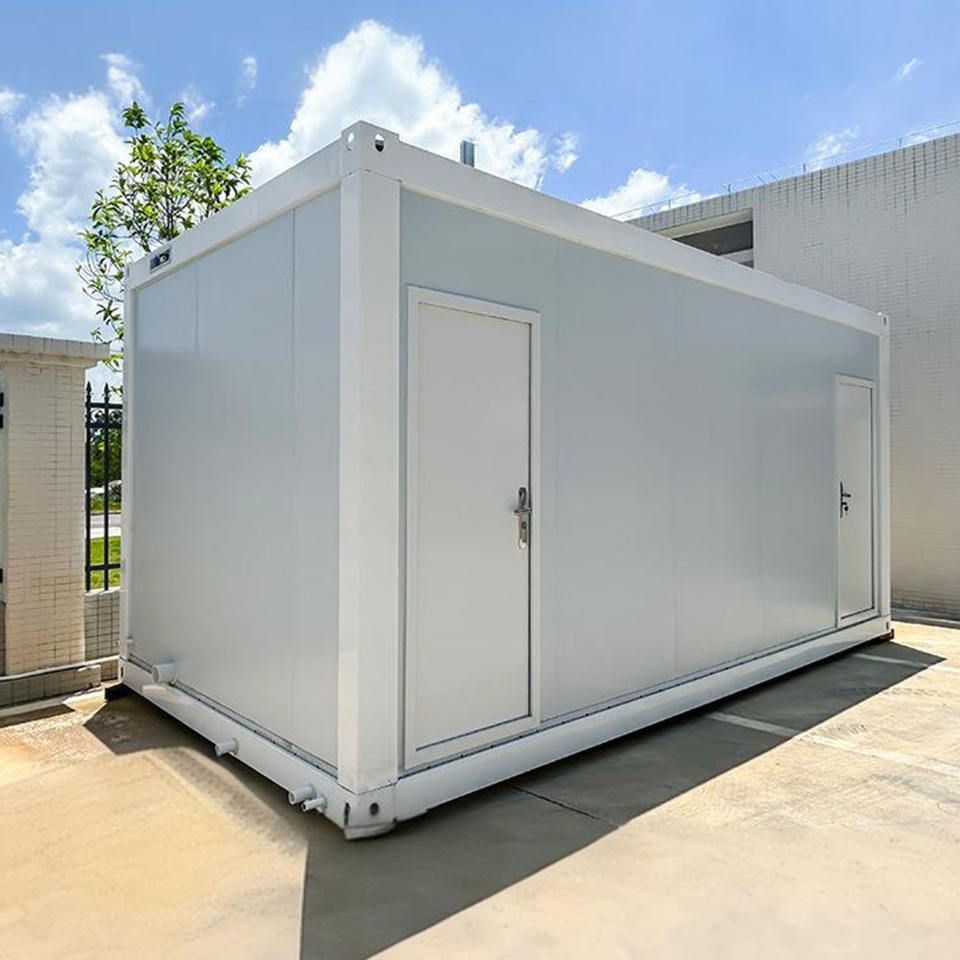
1. Modular Design Supports Extended Service Life One of the core advantages of mobile environmental toilets is their modular structure, with the main body composed of detachable independent units (such as toilet compartments, sewage treatment modules, water storage modules, etc.). This design allows for the replacement of individual components rather than the entire unit when a single module is damaged or aged, significantly reducing maintenance costs and extending the overall service life of the equipment. For example, in long-term used scenic spots or construction sites, regular maintenance and module updates can maintain stable toilet functionality, avoiding overall shutdowns caused by local failures. Additionally, some products use corrosion-resistant, high-strength composite materials, further enhancing structural durability and adaptability to complex outdoor environments.
2. Dynamic Deployment Expands Service Coverage The 'mobility' of mobile environmental toilets enables them to quickly adjust their positions based on crowd density or event demands. For instance, during temporary events like music festivals or sports competitions, toilets can be concentrated at entrances or areas with dense audiences; after the events, they can be relocated to daily settings such as transportation hubs or parks for continued use. This 'spatial reuse' model indirectly extends the service radius of the toilets, preventing resource idleness due to fixed locations. For regions with significant seasonal demands (such as ski resorts in winter and beaches in summer), toilets can also be cycled between different locations using transport vehicles to maximize equipment utilization.
3. Modular Expansion Enhances Service Capacity Modular design also supports flexible adjustment of toilet scale through the addition or removal of units. During large-scale events or public emergencies, rapid capacity expansion can be achieved by connecting multiple toilet compartments or adding sewage treatment modules to meet short-term high-frequency usage demands; after the events, excess modules can be disassembled to reduce space occupation. This 'elastic configuration' capability enables mobile environmental toilets to adapt to both daily small-scale needs and extreme service pressures, indirectly extending their effective service time as public facilities.
Summary: Although mobile environmental toilets do not have a direct 'extended' physical structure, they achieve optimization of service life, coverage, and service efficiency through modular maintenance, dynamic deployment, and modular expansion, meeting long-term or temporary demands in various scenarios.



