Exquisite Container Mobile House
Exquisite container mobile houses are a modern architectural form that uses containers as basic modules, enabling rapid construction, mobility, and high living comfort through industrial prefabrication and flexible combination. Their core features, application scenarios, and technical advantages are as follows:

1. Structural Performance and Safety
Container mobile houses employ high-strength steel frames, with core structures rigorously tested for wind and earthquake resistance. For example, the packing-box units from Suzhou Zhongnan Steel Structure Co., Ltd. demonstrated a frame deformation rate of only 0.18% under simulated extreme conditions of a Category 12 typhoon and a Magnitude 8 earthquake, well below the industry's acceptable threshold of 0.3%. CIMC Modular Building Investment Co., Ltd.'s standard container houses boast a wind resistance rating of Category 11 and an earthquake resistance rating of Magnitude 7. This structural stability makes them suitable for coastal areas prone to typhoons and high-intensity earthquake zones. Additionally, the all-steel frame prevents issues like wall cracking and frame tilting that traditional color-steel houses may face in extreme weather, ensuring higher long-term safety.
2. Functional Adaptability and Flexibility
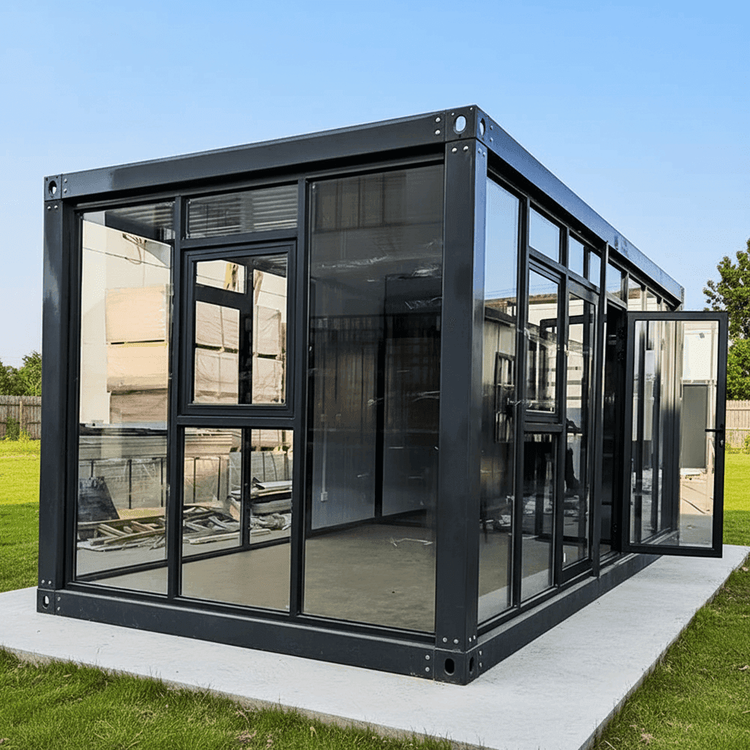
- Scenario Adaptation: These houses can be tailored for various needs, including temporary offices, accommodations, event support, and emergency response. For instance, foldable containers with hydraulic automatic deployment structures can be assembled by a single person in just 5 minutes, making them ideal for short-term construction site turnover or temporary commercial pop-up events. Modular houses with glass walls, on the other hand, are suitable for creative offices or shops, meeting personalized space requirements.
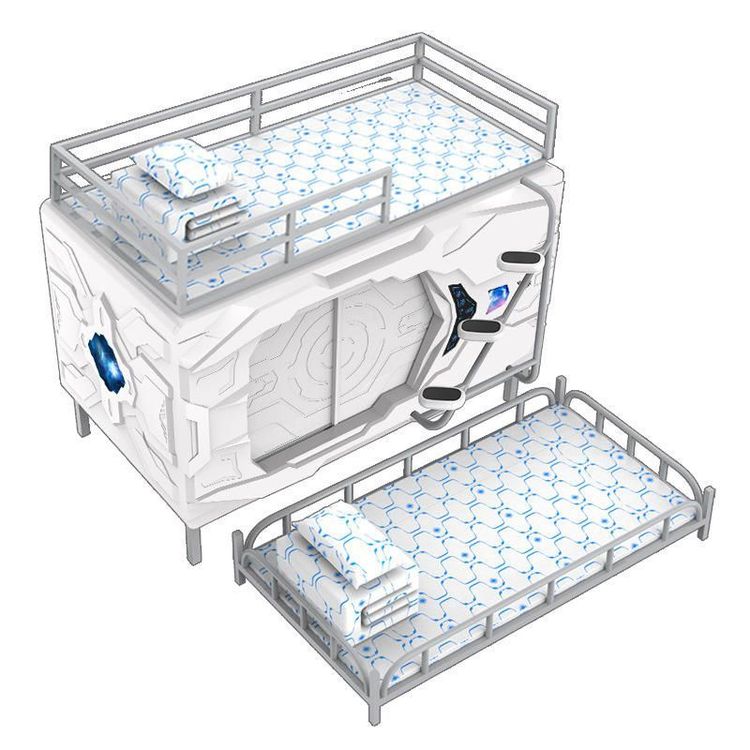
- Space Utilization: Fixed-size containers (e.g., 3m x 6m) optimize space efficiency through functional stacking designs. Kitchens and bathrooms are integrated into wet areas, while living and sleeping zones utilize convertible furniture (e.g., folding tables, drop-down beds) to switch between day and night functions, minimizing actual usable area reduction.
- Thermal Compensation: To address the high thermal conductivity of metal containers, a three-layer structure is employed: an outer layer of galvanized steel for wind and sand resistance, a middle layer of 80-100mm rock wool for insulation, and an inner layer of PVC-coated steel to reduce heat radiation. This reduces indoor temperature fluctuations by approximately 40% compared to traditional color-steel houses.
3. Economy and Environmental Friendliness
- Cost Control: Factory prefabrication reduces on-site wet work, compressing construction errors from the centimeter to millimeter level and lowering the need for post-construction modifications. During bulk transportation, foldable containers can save 30%-50% in transport costs (e.g., Suzhou Zhongnan's products cost only 150 yuan per 300 kilometers for a single unit).
- Reusability: Containers support multiple disassemblies and reassemblies, with single-lift transportation costs ranging from 15-25 yuan per kilometer. Upon arrival at a new site, they can be used immediately after connecting to water and electricity, making them suitable for frequently relocated scenarios. However, note that structural deformation risk increases by about 15% after more than five disassemblies, necessitating regular maintenance of connecting bolts.
- Eco-Friendly Materials: Rock wool sandwich panels, galvanized steel frames, and other materials are recyclable, reducing construction waste and aligning with green building trends.