
Construction Requirements for Large-Scale Mobile Toilets
The construction requirements for large-scale mobile toilets should be comprehensively considered from aspects such as quantity, layout, area, and facilities, as detailed below:
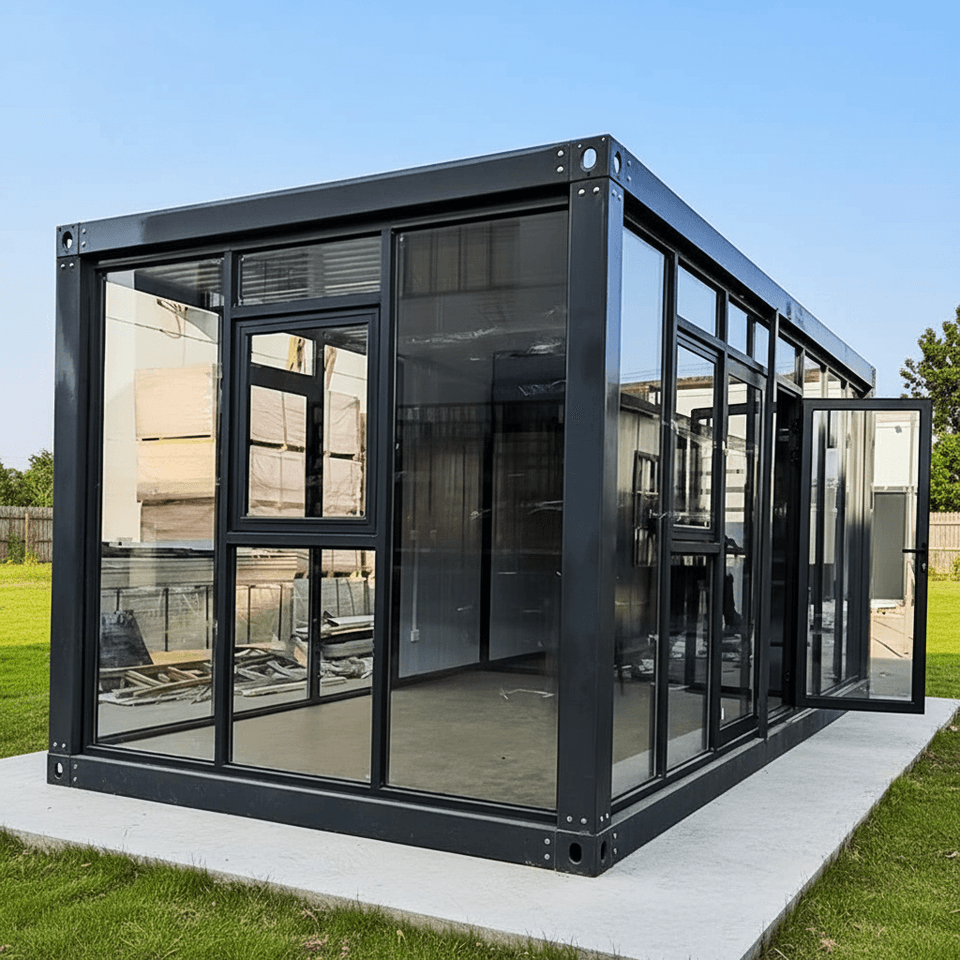
1. Scientific and Reasonable Quantity Allocation
The number of mobile toilets should be determined based on the actual number of participants in the event. It is recommended to allocate one mobile toilet per 100 people. This ratio can meet usage demands during peak periods while avoiding resource wastage. For example, if an event is expected to have 500 participants, at least five mobile toilets should be provided. If the event lasts for an extended period or includes special groups such as children or the elderly, the number can be appropriately increased to enhance the user experience.
2. Layout Planning Focusing on Functionality and Hygiene
The layout of mobile toilets should avoid congestion caused by centralized placement and adopt a dispersed or zoned layout. For instance, toilets can be distributed across different areas of the event site or divided into separate zones based on gender or function (e.g., general toilets and accessible toilets). Additionally, it is essential to maintain a certain distance between toilets and dining or rest areas to reduce odor spread and cross-contamination risks. Moreover, the passageway design should be spacious to prevent obstructions when users are queuing.
3. Area Standards Ensuring User Comfort
It is recommended that the area of a single mobile toilet be no less than 1.2 square meters. This standard ensures that users have sufficient space for activities such as using the toilet and washing hands, which is particularly important for individuals with mobility issues or those carrying items. Excessively small spaces can lead to inconvenience and even safety hazards. For accessible toilets or family restrooms, the area should be further expanded to accommodate wheelchair rotation and assistive devices.
4. Facility Provision Meeting Basic Needs and Hygiene Requirements
Mobile toilets should be equipped with basic facilities such as sinks, mirrors, toilets (or squat toilets), tissue dispensers, and trash bins. Sinks should provide running water and be equipped with hand soap or disinfectants; toilets should feature water-saving designs and be regularly cleaned and disinfected; trash bins should have lids to prevent odor spread. Additionally, supplementary facilities can be added based on the nature of the event, such as hand dryers, hooks, and storage shelves, to enhance convenience. For winter events, heating equipment or anti-freezing measures should also be considered.
By implementing these standards, large-scale mobile toilets can meet functional requirements while complying with hygiene and safety regulations, providing a comfortable and convenient environment for event participants.



