
Mobile Toilets at Everest Base Camp
The mobile toilets at Everest Base Camp utilize vacuum toilet technology from Sichuan Zhongheng Yuantai Environmental Technology Co., Ltd., which provides an efficient, eco-friendly, and high-altitude-adapted sanitation solution through a vacuum negative pressure system.
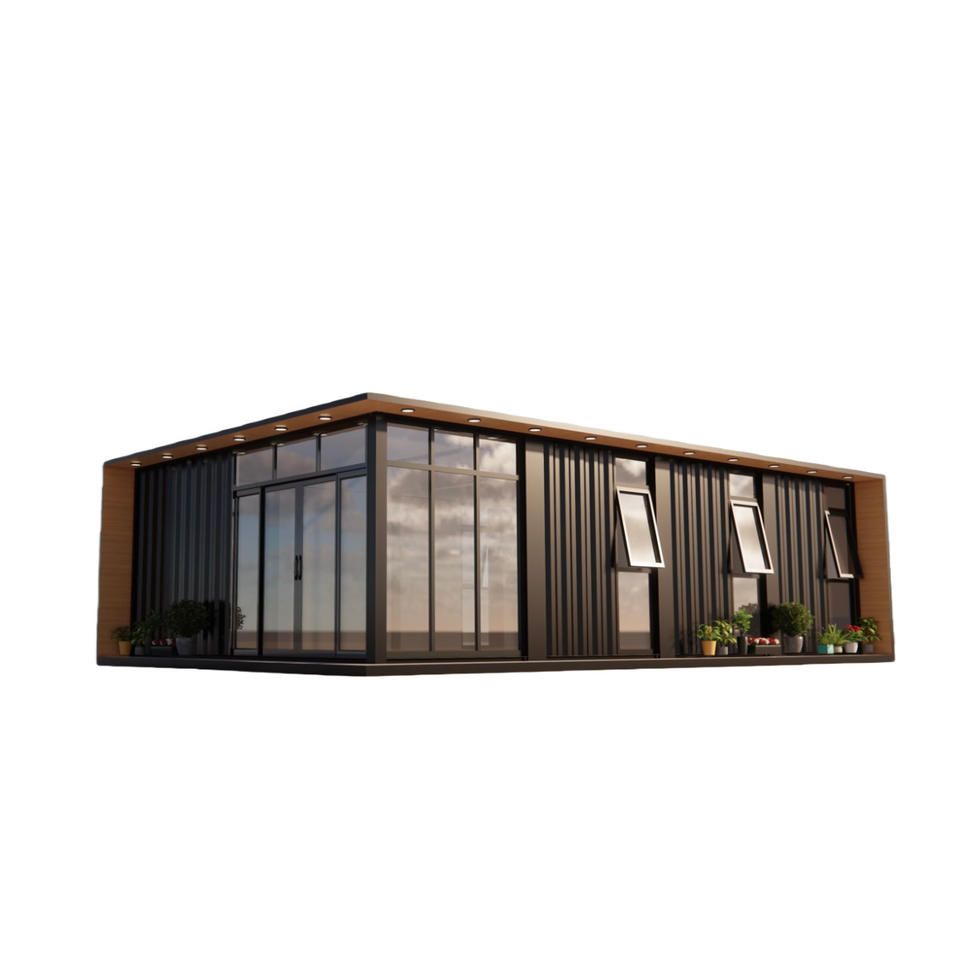
1. Water-saving and Efficient, Suitable for Water-scarce High-altitude Areas
The vacuum toilet technology collects waste through negative pressure suction, with a single flush volume of ≤0.8 liters, saving over 80% of water compared to traditional toilets. This feature significantly reduces water consumption in water-scarce areas like Everest Base Camp (at an altitude of 5,200 meters), addressing the challenge of water supply in high-altitude regions.
2. Frost-resistant and Leak-proof, Ensuring Stable Operation in Extreme Climates
The system employs a tightly sealed pipeline design, with the vacuum environment preventing internal freezing, allowing normal operation at temperatures as low as -30°C. Meanwhile, the sealed structure eliminates the risk of waste leakage, preventing pollution to the fragile high-altitude ecosystem, making it particularly suitable for the climate conditions of Everest, characterized by large temperature variations between day and night and severe winter cold.
3. Resourceful and Harmless Treatment of Waste
Through negative pressure collection technology, waste is concentrated in storage tanks for harmless treatment and reduced sewage discharge. This process avoids the pollution of soil and water sources caused by direct discharge from traditional toilets, meeting the requirements of high-altitude ecological protection and providing possibilities for subsequent resource utilization (such as composting).
4. Large-capacity Waste Storage and Long-term Operation and Maintenance
The M3 model storage tank has a capacity to meet the needs of a thousand users, extending the pumping cycle to 7-10 days and significantly reducing the frequency of operation and maintenance. This design reduces maintenance costs caused by inconvenient transportation in high-altitude areas, avoids environmental disturbances from frequent pumping, and enhances the economic efficiency and sustainability of the facilities.
5. Modular Design and Automated Control
The system adopts a modular structure paired with an automated control system, reducing the need for manual intervention and lowering maintenance costs by 60%. The modular design also facilitates rapid deployment and flexible adjustments, adapting to the temporary and mobile usage scenarios at Everest Base Camp. Additionally, vacuum bus toilets further expand the technological adaptability, with their corrosion-resistant materials and onboard modular design capable of handling complex road conditions, providing a new paradigm for mobile sanitation facilities at high altitudes.
This technology has been operating stably at Everest Base Camp for 5 years, becoming a benchmark case for sanitation facility construction in high-altitude areas worldwide and offering an innovative solution for balancing ecological protection and human activities in extreme environments.



