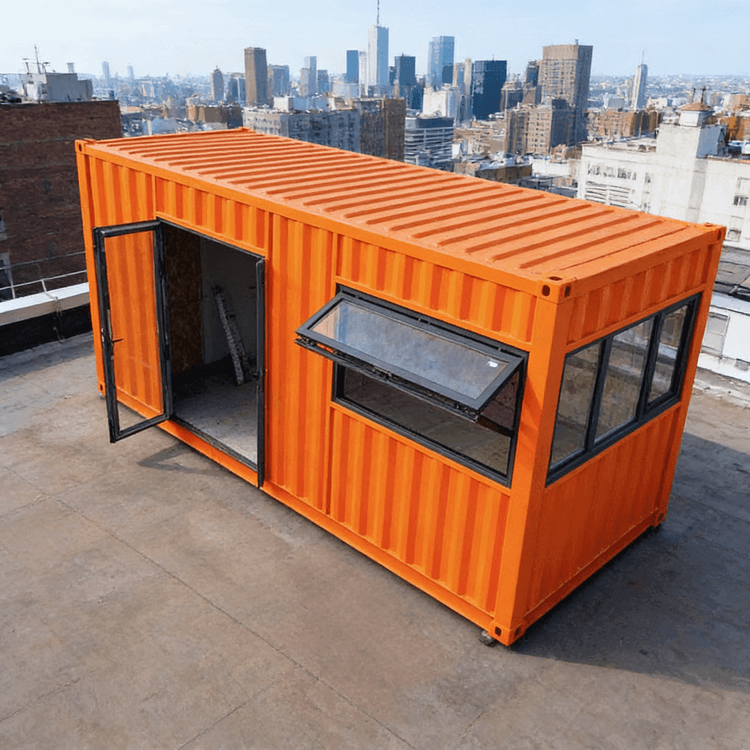
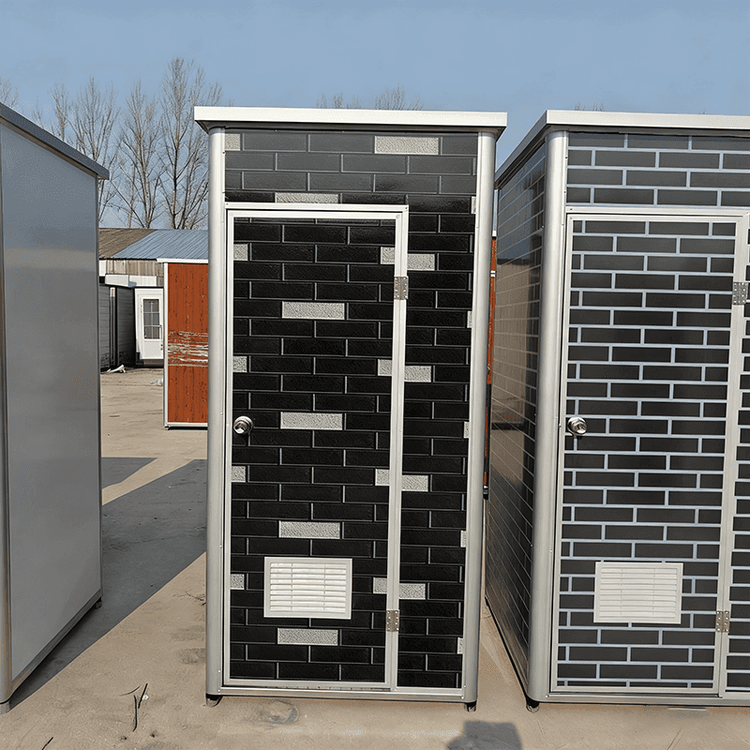
Event Portable Toilet Production
The production of event portable toilets encompasses several key aspects, including manufacturers, technical principles, material applications, configuration logic, and operational maintenance.
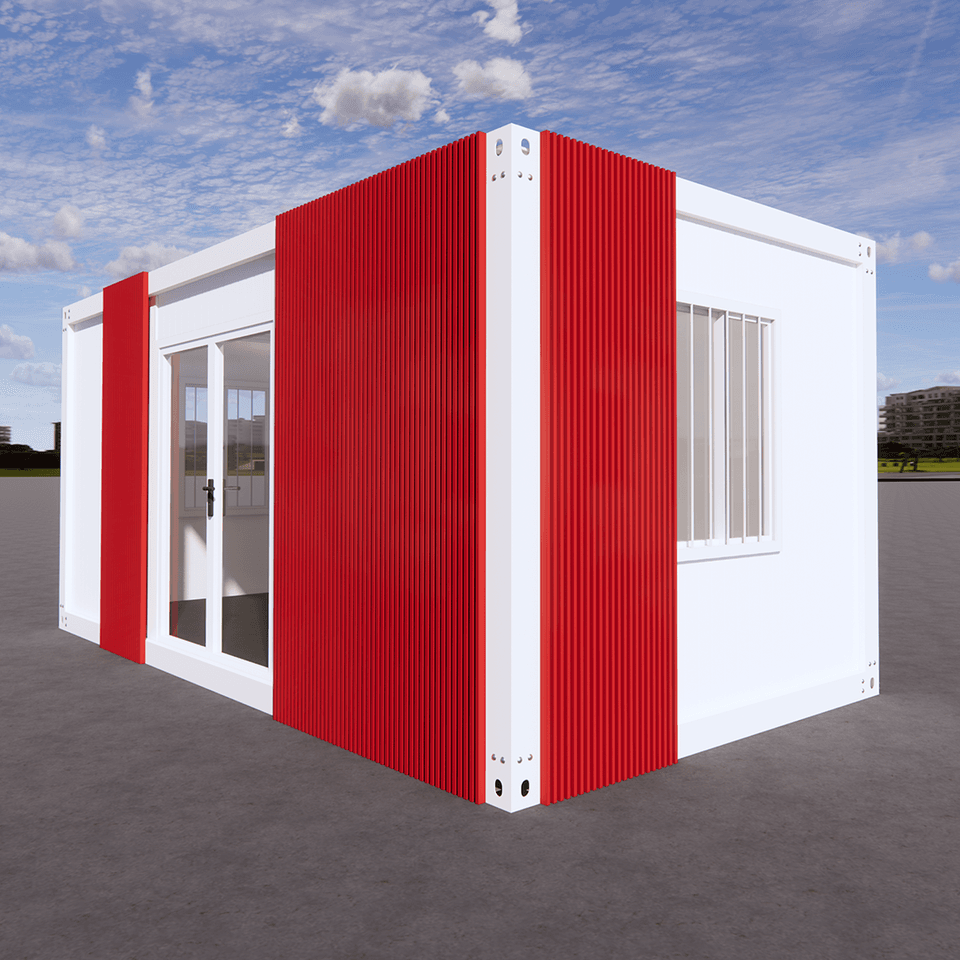
Manufacturers and Product Types: Baoding Shuangteng Environmental Protection Technology Co., Ltd. is one of the professional manufacturers. Its products use high-molecular polyethylene as the main material for the toilet body, which is resistant to acid-base corrosion and ultraviolet aging, making it suitable for long-term outdoor exposure. Rollbit Sports Event Environmental Protection Technology Co., Ltd. offers a variety of products, including large vehicle-mounted, foam-type eco-friendly toilets, and waterless packing-type portable toilets, meeting the needs of different event scenarios.
Technical Principles: The core functions of portable toilets are achieved through gravity separation and liquid circulation for real-time collection of excreta and odor control. The sewage tank is located at the bottom of the device, using gravity to naturally separate solids and liquids. The liquid is filtered and then pumped by an electric pump to the flushing water tank for recycling. Odor control employs a dual mechanism: biological enzyme preparations decompose urea and proteins to reduce ammonia production, while activated carbon filters in the exhaust ducts adsorb volatile organic compounds, ensuring an odor-free usage environment.
Material Applications: High-molecular polyethylene is the preferred main material for the toilet body due to its weather resistance, which can withstand complex outdoor environments. Some products use rotational molding technology, resulting in uniform wall thickness of the toilet body, avoiding cracks caused by stress concentration, and significantly improving durability.
Event Configuration Logic: The number of toilets is calculated based on a pedestrian density model. For marathon start and finish areas, 2-3 toilet stalls are provided per 100 athletes, while one set (4-6 toilet stalls) is placed every 2 kilometers along the course. Modular design supports rapid deployment and removal, with the installation time for a single toilet stall controlled within 15 minutes, allowing for easy connection of pipes and circuits without complex tools.
Operational Maintenance: During events, the inner walls of the toilet stalls need to be cleaned with a high-pressure water gun every 2-3 hours, and biological enzyme preparations and clean water should be replenished. The sewage tank is usually cleaned at night or after the event, with waste transported to designated treatment plants using vacuum sewage trucks to ensure full environmental compliance throughout the process.