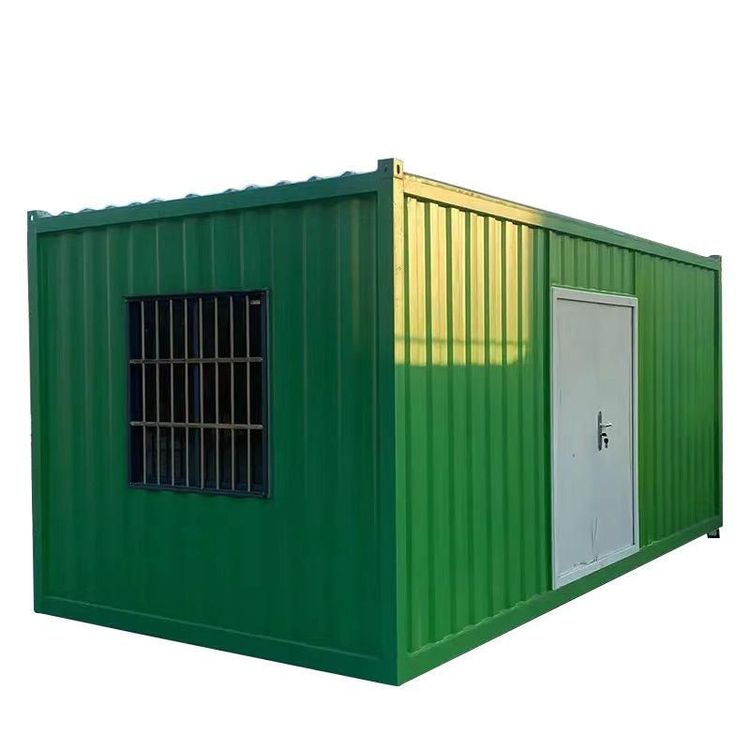
Mobile Toilet Solution for Events and Competitions
The mobile toilet solution for events and competitions should be comprehensively planned from four aspects: point layout, equipment performance, operation and maintenance services, and service provider selection, to achieve efficient deployment, sanitation control, and cost optimization.

I. Point Layout Techniques
- Location Selection Based on Crowd Density: Prioritize placing toilets in areas where spectators gather (such as entrances, beneath stands, and around the venue), integrating with the venue's circulation design to minimize back-and-forth travel. During peak times (such as opening and closing ceremonies, finals), increase the density of toilet placements, recommending one toilet every 50 meters.
- Decentralized Placement in Functional Areas: Separate toilet placements are needed at intersections of high foot traffic, such as athlete rest areas, media zones, and dining areas. Place toilets near locker rooms in athlete areas and near dining areas to reduce queues after meals. The recommended ratio of male to female toilet stalls is 1:1.5, with additional female stalls during peak times.
- Reserve Emergency Space: Plan emergency toilet points at entrances and corners of corridors to handle sudden surges in foot traffic. The lessor should provide at least 20% redundant toilet points for temporary adjustments.
- Signage and Privacy Protection: Plan directional signage simultaneously, setting up指示牌 (directional signs) in conjunction with the venue map. Add greenery or barriers around the exterior of mobile toilets, and equip them with ventilation louvers and forced exhaust systems in hot weather.
II. Equipment Performance and Adaptability
- Modular Design: Utilize HDPE one-piece molded structures that are lightweight and impact-resistant, with forklift slots at the bottom for 'unload and use' capability. Snap-on connectors eliminate the need for tools, allowing 200 toilets to be set up within 4 hours.
- Excreta Treatment: Rely on gravity or vacuum suction to direct waste into sealed storage tanks, which feature double-layer anti-corrosion coatings and leak-proof valves to ensure no odors. Inject bio-enzyme degradants into the storage tanks, and install activated carbon filters and UV lamps on top for timed disinfection.
- Environmental Adaptability: Wrap insulation materials around the exterior in cold winter weather, and install electric heating strips at the bottom of the tanks to maintain temperatures above 5°C. In hot summer weather, use ventilation louvers and forced exhaust systems for cooling, with anti-slip floors and stainless steel drains to prevent bacterial growth.
III. Operation and Maintenance Services and Guarantees
- Full-Process Standardized Services: Service providers should offer full-process services including transportation, waste removal, cleaning, and washing, with regular free waste removal, high-pressure cleaning, and disinfection cleaning, equipped with professional waste removal vehicles and high-pressure washers.
- Flexible Customization and Response: Adjust the number of equipment and maintenance frequencies based on the scale of the event, with a nationwide unified after-sales system supporting rapid delivery and installation, as well as 24/7 maintenance response.
- Waste Closed-Loop Management: After the event, use waste removal vehicles to vacuum out the storage tanks. The waste undergoes solid-liquid separation, with the liquid entering the sewage treatment system and the solids being converted into organic fertilizer. Water consumption is less than 1% of that of traditional flush toilets.
IV. Service Provider Selection Recommendations Prioritize service providers that have passed ISO certification and hold special qualifications for sanitation and cleaning services. The equipment should support rapid deployment without infrastructure construction, be adaptable to complex outdoor environments (such as double-layer translucent roof designs for natural lighting and ventilation), and feature water-saving devices (0.3-0.5 liters per flush) to reduce long-term usage costs.