
European Prefabricated Panel Houses
European prefabricated panel houses are developing well in many countries, characterized by policy support, strong market demand, wide application scenarios, and rapid import growth.
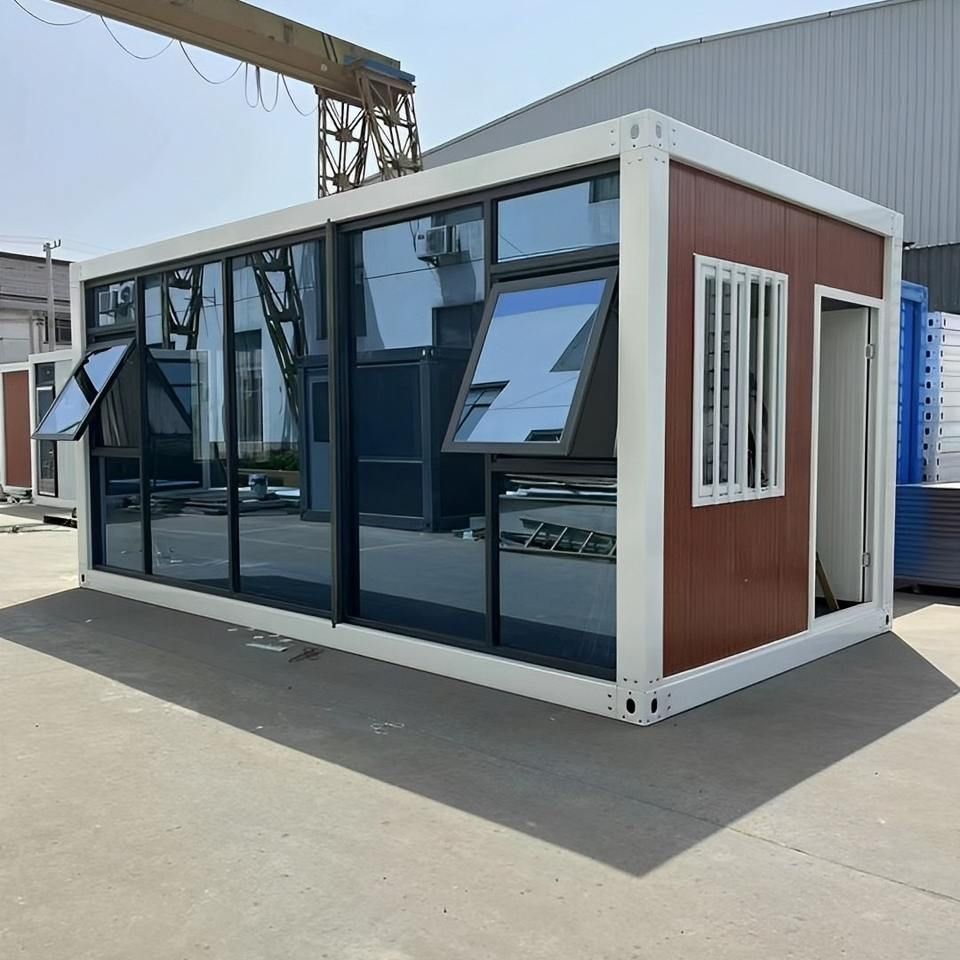
Policy Support: In 2021, Spain revised its building technical specifications, relaxing restrictions on wooden structures and allowing wooden residential buildings of up to four floors. This policy adjustment provides strong support for the development of prefabricated panel houses, offering them broader development space in Spain.
Market Demand: Italy, prone to earthquakes, has extremely high requirements for the seismic performance of buildings. The lightweight steel structure of prefabricated houses (some of which use prefabricated panel structures) offers excellent seismic performance, meeting local high demands for building safety. Thus, there is significant market demand for prefabricated panel houses in Italy. Additionally, Europe faces an overall shortage of labor and an aging workforce in the construction industry, leading to soaring labor costs. Traditional construction costs between €1,800 and €3,500 per square meter, while prefabricated houses cost only €1,200 to €2,400 per square meter, with construction time reduced by half and costs by one-third, without compromising quality. These cost and time advantages make prefabricated panel houses highly competitive in the European market.
Application Scenarios: Europe's thriving tourism industry creates high demand for homestays. Prefabricated panel houses can quickly construct tourist facilities such as characteristic homestays, resorts, and campsites, with customizable designs ranging from traditional wooden houses to space capsule styles, meeting the tourism market's demand for diversity and personalization.
Import Situation: China's exports of prefabricated buildings are growing rapidly, including products related to prefabricated panel houses exported to Europe. For example, large concrete prefabricated panels are used in European warehouse construction projects. This indicates that European demand for prefabricated panel houses extends beyond residential applications to industrial buildings and other sectors.



