EU Prefabricated Houses
EU prefabricated houses come in a variety of types, and some products have strict certification requirements for entering the market.

Types of EU Prefabricated Houses
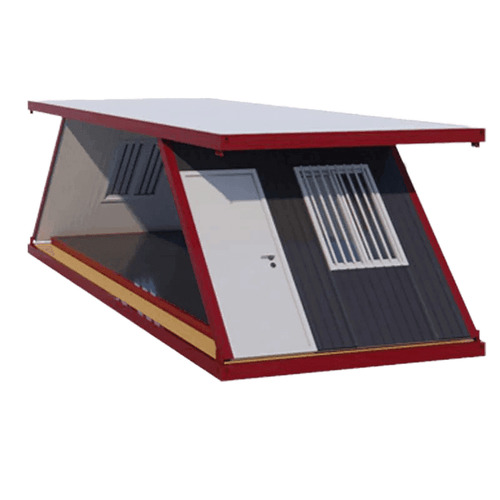
- Portable, plumbing-connected European-style modular prefabricated houses: These houses feature flexible designs with multiple functional areas, such as bathrooms and gyms. They utilize solar power systems, which are both eco-friendly and energy-efficient, meeting modern people's pursuit of a green lifestyle. Additionally, these houses are of high quality and expandable, allowing for spatial adjustments and additions based on user needs. They are suitable for various scenarios, including temporary residences and vacation cottages.
- Luxury European-designed steel prefabricated glass capsule houses: These houses boast a unique European-style exterior and are constructed with steel frames, ensuring robustness and stability. The use of glass materials enhances the transparency of the houses while providing waterproofing capabilities, enabling them to adapt to different climatic conditions. These houses are ideal for commercial sales in guesthouses, cottages, and hotels, offering tourists a unique accommodation experience.
- Luxury three-story European-style prefabricated villas: These villas offer spacious living areas with 4-5 bedrooms and bathrooms, catering to the needs of large families or multiple occupants. They are built with foam cement board structures, which provide excellent thermal insulation and energy efficiency, reducing living costs.
Certification Requirements for EU Prefabricated Houses
For building products such as prefabricated concrete hollow floor slabs, there are strict certification regulations in the EU market. Since July 1, 2013, the EU has enforced the Construction Products Regulation (CPR), and prefabricated concrete hollow floor slabs fall under its purview. Products of this type exported to the EU must undergo mandatory CE certification, tested and certified according to the EN 1168:2005 + A3:2011 standard. Only after passing the certification and affixing the CE label can they enter the EU market. The CE certification serves as a passport for products to enter the EU market, indicating that they comply with relevant EU directives and harmonized standards, ensuring product quality and safety while protecting consumer rights.