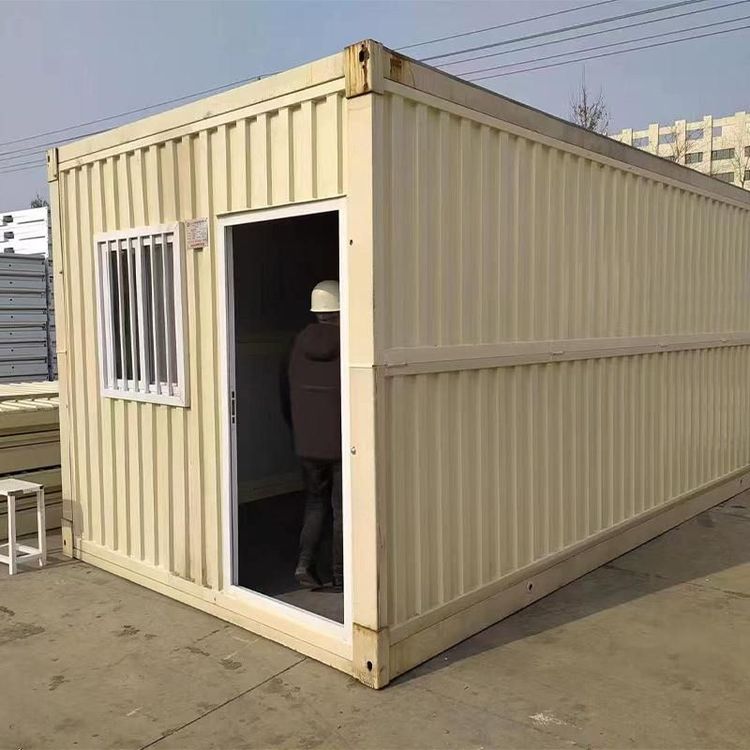
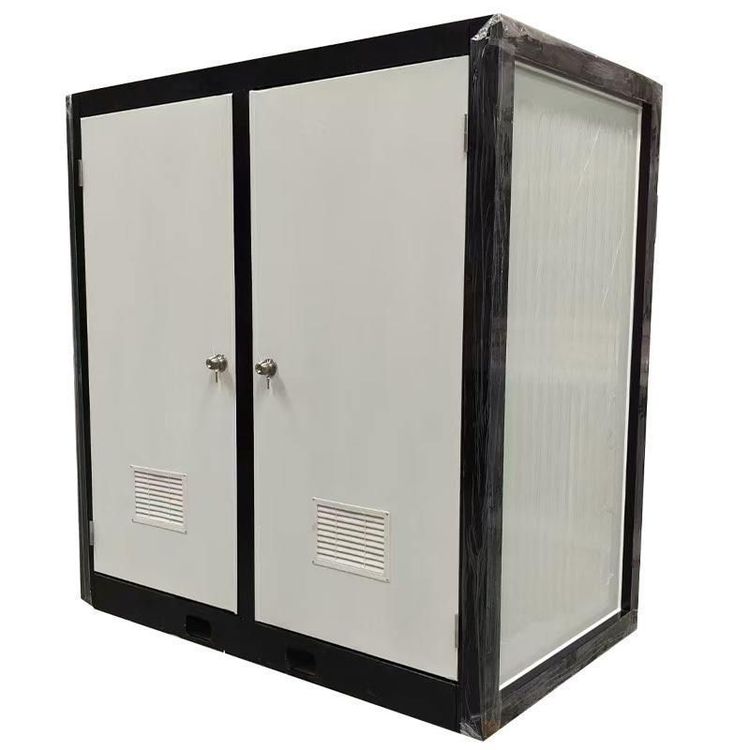
Ethiopia Prefabricated Housing
Currently, there is no detailed and specific information about prefabricated housing in Ethiopia. However, we can infer possible situations based on Ethiopia's affordable housing program and the demand for building materials:

Background of the Affordable Housing Program
The Ethiopian government plans to build 2 million new affordable housing units from 2026 to 2030. This massive housing construction program aims to meet the country's growing housing demand, improve residents' living conditions, promote urbanization, and foster social stability and economic development. Such a large-scale housing construction will undoubtedly lead to a huge demand for building materials.
Status of Local Building Material Production Capacity
Ethiopia's local building material production capacity can only meet about 60% of the demand, which means that approximately 40% of the building materials need to be imported from abroad or supplemented through other means. During the housing construction process, if traditional construction methods are adopted, the demand for various building materials such as cement, steel, and bricks will be enormous. The insufficient local production capacity may lead to increased construction costs and extended construction periods.
Speculation on the Possibility of Prefabricated Housing
- Potential Solution to Building Material Shortages: Prefabricated housing has the characteristic of industrial production. Its components can be manufactured in advance in factories and then transported to the construction site for assembly. This approach can reduce the dependence on a large amount of traditional building materials for on-site construction and may to some extent alleviate the problem of insufficient local building material production capacity in Ethiopia. For example, the walls of some prefabricated houses can be made of new lightweight materials, which may be easier to produce locally in Ethiopia or have relatively lower import volumes.
- Advantage of Improving Construction Efficiency: For a large-scale construction task like building 2 million affordable housing units, time is a crucial factor. Prefabricated houses can be assembled quickly, significantly shortening the construction period. Compared with traditional construction methods, prefabricated houses can be completed and delivered in a much shorter time, enabling residents to move into their new homes faster and meeting the urgent housing demand.
- Convenience of Quality Control: The components of prefabricated houses can undergo strict quality control during the factory production process to ensure that each component meets the standards. This helps improve the overall quality and stability of the houses and reduces the costs of later repairs and maintenance. In the context of large-scale affordable housing construction in Ethiopia, ensuring housing quality is of utmost importance, and prefabricated houses have certain advantages in this regard.