Cement Prefabricated House
Cement prefabricated housing is a construction method where modules are pre-fabricated in factories and rapidly assembled on-site to form a house. It offers advantages such as efficiency, cost-effectiveness, and environmental friendliness, but also has some limitations.

Characteristics of Overall Prefabricated Cement Houses
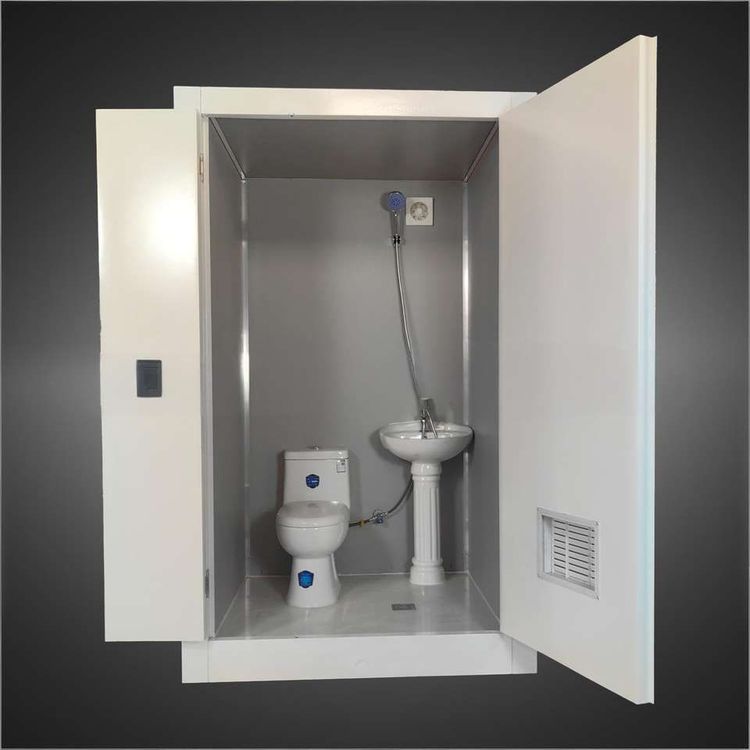
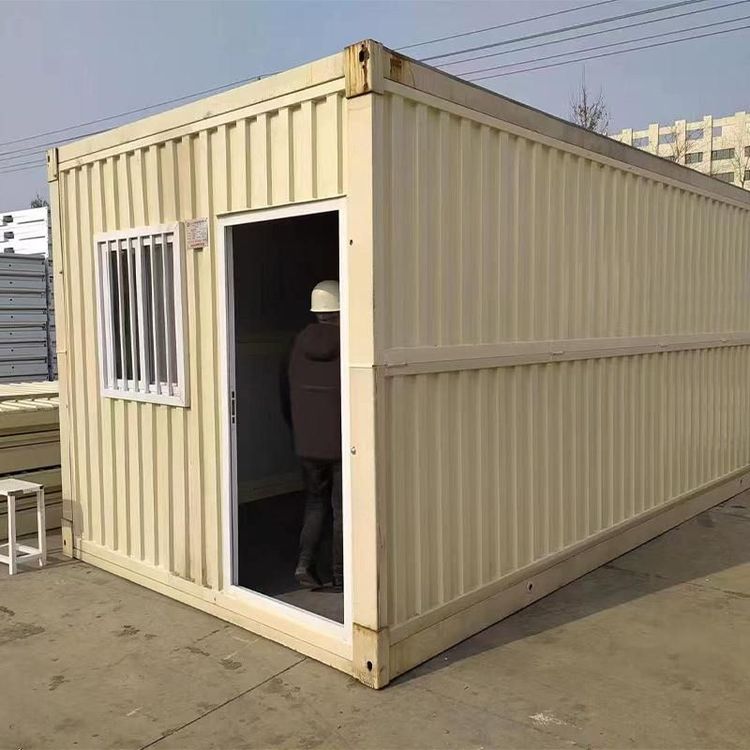
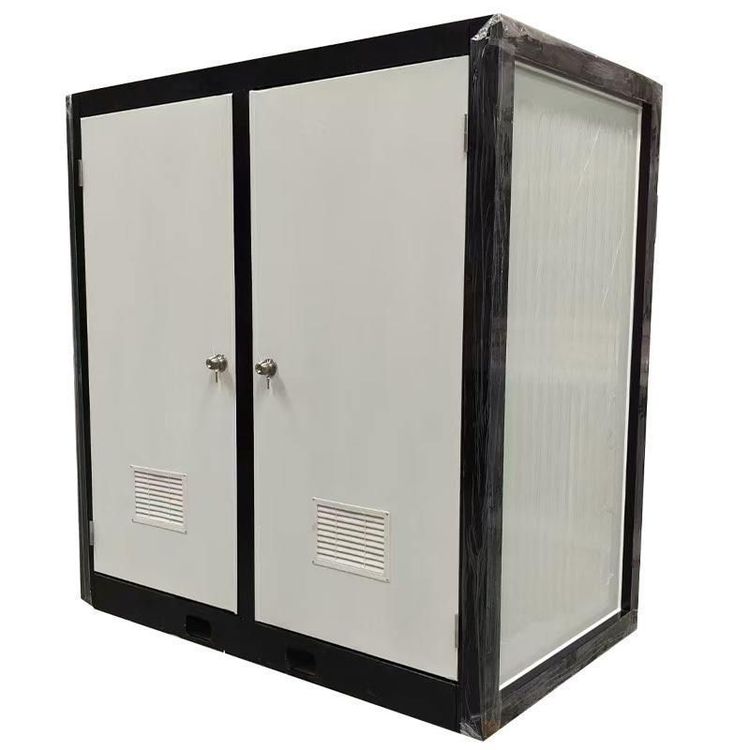
Overall prefabricated cement houses are constructed by pre-fabricating walls, roofs, and other components in factories and then assembling them on-site like building blocks. For example, a 100-square-meter house can be assembled in just one day, which is 90% faster than traditional construction methods. Houses of the same size can save 60,000 yuan compared to brick-and-mortar structures, and construction waste is reduced by 90%. However, they are suitable for temporary construction site housing, rural self-built houses, and other scenarios. For long-term residence, soundproof cotton and insulation boards need to be installed, and waterproofing measures must be taken at roof joints. Additionally, their appearance is relatively simple.
Production Method of Prefabricated Cement Houses
The production of prefabricated cement houses mainly involves prefabricated panels, which are cement components pre-fabricated in factories. During production, wooden molds are first nailed together, then steel bars are laid out, and finally, cement is poured to form the panels. Prefabricated panels come in two types: solid and hollow. The hollow structure achieves lightweighting by reducing the concrete in non-load-bearing parts.
Forms and Market Situation of Prefabricated Houses
"Prefabricated houses" mainly come in three forms: steel structure, concrete, and wood. Chinese companies have a comparative advantage in steel structure and concrete prefabricated houses. According to market data, in the first four months of 2026, enterprises in the Guangzhou Customs area exported movable houses worth 1.4 billion yuan, a year-on-year increase of 38.1%. The Shenzhen port exported movable houses worth 1.68 billion yuan, a year-on-year increase of 19.6%, indicating a certain growth trend in the prefabricated house market.
Problems and Policies of Existing Prefabricated Panel Houses
Existing prefabricated panel houses generally have some problems, such as weak earthquake resistance, poor sound insulation and thermal insulation, and a service life of about 30-50 years. Since 2022, China has implemented a renovation policy for old buildings, focusing on repairing and renovating prefabricated panel houses. Only buildings that meet the criteria for dangerous houses will be demolished.