Mobile Toilets During the Epidemic
During the epidemic, mobile toilets are key temporary public health facilities that block fecal-oral transmission and ensure environmental hygiene in key areas. Their functions and management models have undergone systematic upgrades in epidemic prevention and control, as reflected in the following aspects:
1. Emergency Support and Full-Process Management
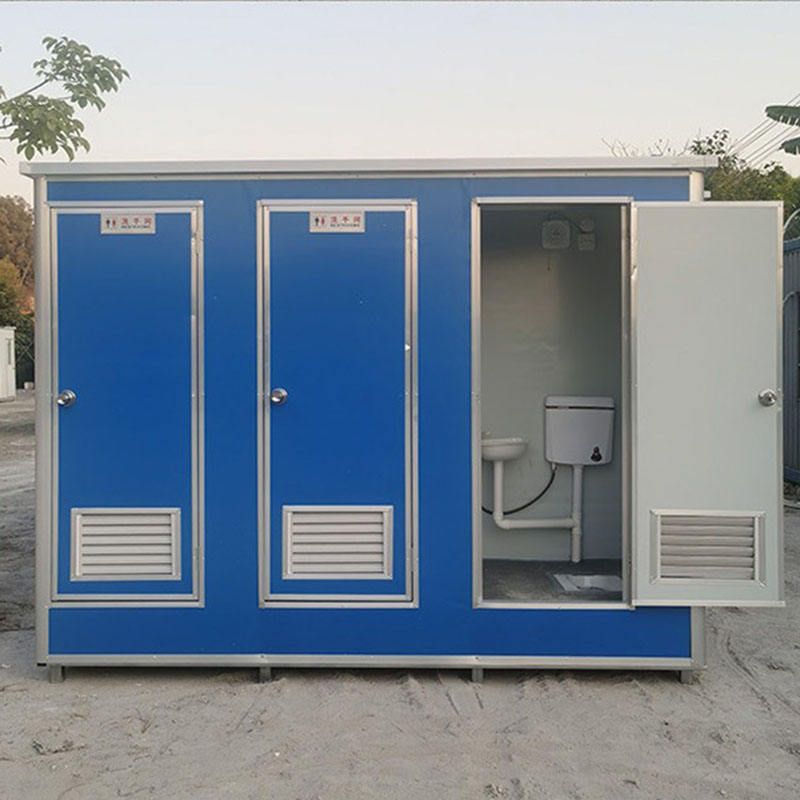
During the epidemic, mobile toilets have been widely deployed in high-risk areas such as quarantine shelters and transfer points to address the toilet needs of people in centralized quarantine. For example, Shanghai Pudong Sanxing Environmental Sanitation Co., Ltd. transported more than 500 toilet units during the lockdown, completed nearly 3,000 support tasks, carried out daily disinfection and fecal sludge removal operations, and processed a cumulative total of more than 1,600 tons of feces. Such practices highlight the fundamental supporting role of mobile toilets in emergency scenarios.
To standardize management, the International Organization for Standardization (ISO) released the ISO 24599:2025 standard in 2025, explicitly requiring full-process management from planning and deployment to waste disposal. For instance, the standard stipulates that mobile toilets should dynamically adjust their layout based on population density and usage frequency; cleaning and disinfection should use chlorine-containing disinfectants with a frequency of no less than twice a day; and waste should be transported in sealed containers and disposed of in a classified and harmless manner. These requirements provide a unified technical framework for global epidemic prevention and control.
2. Technological Innovation to Reduce Cross-Infection Risks
To address the high infection risk faced by cleaning staff in traditional toilets, new-generation mobile toilets have achieved "unmanned" operation through technological iterations:
- "Unmanned Toilets": Using sensors and automatic spraying systems, these toilets complete comprehensive disinfection of the toilet bowl, floor, and ceiling within 6-10 minutes after the user leaves, reducing manual contact.
- Negative-Pressure Mobile Toilets: Through a unidirectional airflow design, indoor air is drawn into the suction inlet, treated by a top sterilization system, and then discharged, creating a negative-pressure environment that effectively blocks aerosol transmission.
- White Foam Active Agent Flushing Technology: This technology covers feces with foam, using physical "suffocation" of bacteria instead of traditional flushing, saving water and reducing pipeline contamination risks.
3. Standardization to Promote Global Collaborative Prevention and Control
The release of ISO 24599:2025 fills an international gap, with its core value lying in the unification of terminology, processes, and indicators. For example, the standard specifies that the "fecal-oral transmission blocking index" of mobile toilets should reach over 95%, and that the protective equipment for cleaning staff should comply with the EN 149:2001+A1:2009 standard. Such quantitative requirements provide a technical basis for cross-border collaboration, helping the global public health system respond to future epidemic challenges.