Back to blog
Article
Are Mobile Toilets Safe During the Epidemic?
Admin September 28, 2026
Mobile toilets specifically designed for epidemic prevention are generally safe during the epidemic, but they must meet specific conditions and users should follow usage guidelines.
I. Safety Design of Mobile Toilets for Epidemic Prevention
Mobile toilets for epidemic prevention enhance hygiene and safety through multiple technological means:
- Independent Disinfection System: Equipped with ultraviolet germicidal lamps and automatic spraying devices, these toilets automatically complete the disinfection process after each use, effectively killing viruses, bacteria, and other pathogens.
- Sealed Drainage Pipes: These prevent sewage backflow, reducing the risk of cross-infection caused by pipe contamination.
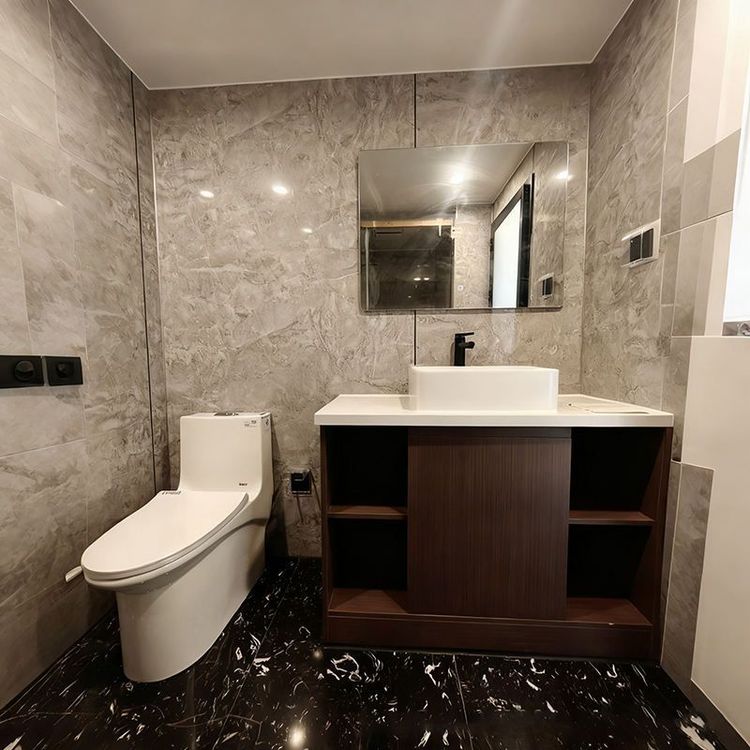
- Spatial Partition Design: The toilet area and handwashing area are physically separated, lowering the probability of droplet transmission and reducing the frequency of person-to-person contact.
- Eco-Friendly Materials and Smart Features: Made from odorless, easy-to-clean eco-friendly materials, some high-end models are equipped with smart features such as automatic感应门 (automatic induction doors) and foot-operated flushing, minimizing hand contact and contamination.
II. Professional Maintenance and Supporting Services Ensure Safety
Rented epidemic prevention mobile toilets are usually maintained by professional teams:
- Regular Disinfection and Cleaning: Cleaning staff conduct thorough disinfection of the toilets daily, focusing on high-contact areas such as door handles and flush buttons to ensure no pathogens remain.
- Emergency Supplies Provision: Some rental packages include hand sanitizer, disinfectant wipes, and other supplies, allowing users to clean their hands anytime and further reducing the risk of infection.
III. Potential Risks and Precautions
Despite their well-designed epidemic prevention features, the following issues still require vigilance:
- Improper Disinfection Operations: If service providers do not strictly follow disinfection procedures, high-contact surfaces (such as door handles and toilet rims) may retain pathogens, increasing the risk of cross-infection.
- Impact of User Behavior: Personal hygiene habits (such as not washing hands properly or touching the face) may counteract some of the effects of epidemic prevention measures.
Key to Ensuring Safety: Choose compliant products that meet the standards of health and epidemic prevention departments, confirm that service providers have complete qualifications and disinfection procedures, and clean your hands promptly after use.