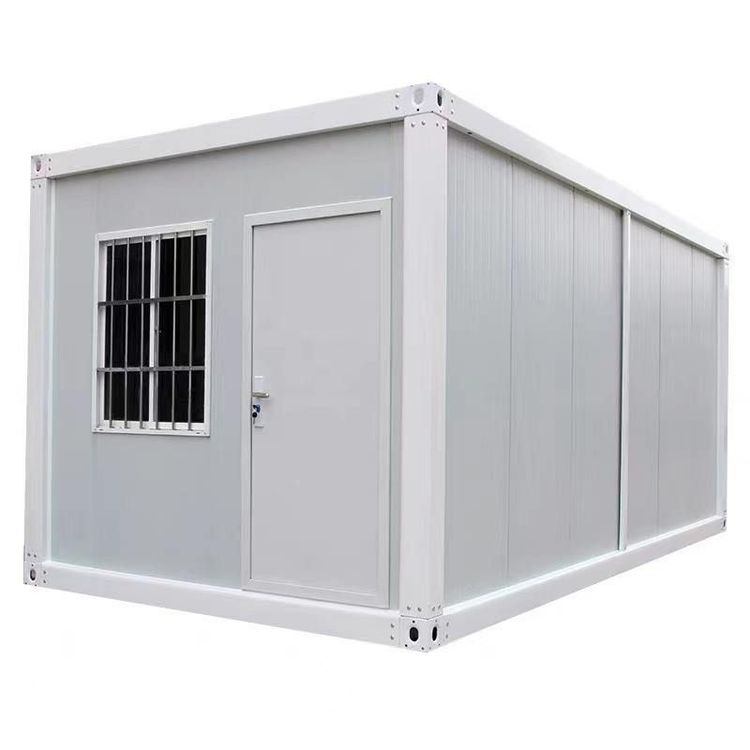
Is the Mobile Toilet Stall Legal?
Whether a mobile toilet stall is legal depends on specific circumstances. If it operates in a government-designated area and complies with regulations, it is considered a legal activity.

Compliance with Urban Management Regulations: Appearance and Environmental Sanitation Standards
According to Article 37 of the "Regulations on Urban Appearance and Environmental Sanitation," the setup of any stall must meet urban appearance standards and environmental sanitation requirements. If a mobile toilet stall engages in activities such as obstructing traffic, fails to meet sanitation standards (e.g., sewage overflow, odor diffusion), or affects pedestrian passage, it may be deemed non-compliant and required by urban management authorities to undergo rectification or removal within a specified period. Such stalls may be involved in illegal operations if they do not obtain the relevant permits.
Government-Designated Venues and Exemption Conditions for Legal Operation
If the stall is located in a specific operating area designated by a people's government at or above the county level (e.g., night markets, convenience service points) and operates within stipulated hours, it may be eligible for exemption policies. For example, stalls selling agricultural and sideline products, daily necessities, or providing convenience services (such as mobile toilet services) that do not occupy main roads or fire exits and do not cause noise or pollution issues that disturb residents are generally not considered unlicensed or unregistered operations. Such stalls are required to proactively register with local urban management authorities and comply with operating regulations.
Local Pilot Policies Promote Stall Legalization
Some regions have standardized the management of mobile vendors through institutional innovations. Taking Bao'an District in Shenzhen as an example, the local government has designated fixed operating areas, allocated stalls through lotteries, and clarified operating rules (such as sanitation responsibilities and business hours), enabling mobile toilets and other convenience stalls to obtain legal status. Such policies typically require stalls to be equipped with necessary environmental protection facilities (such as sewage collection devices) and undergo regular inspections. If a stall meets the requirements of local pilot policies, its legality is explicitly guaranteed.
Core of Legality: Government Designation and Compliant Operation
The legality of a mobile toilet stall depends on two core conditions: first, whether the operating venue is a government-designated area; second, whether it complies with environmental sanitation, urban appearance management, and other regulations. It is recommended that stall owners consult local urban management authorities before setting up to confirm regional planning and permit requirements, and proactively improve sanitation facilities and sign operating commitment letters to reduce compliance risks.