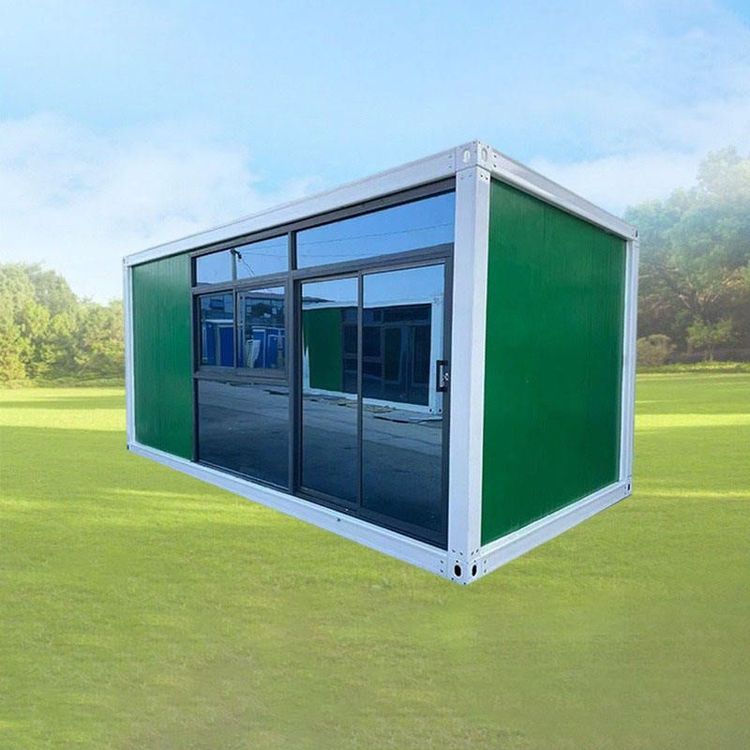
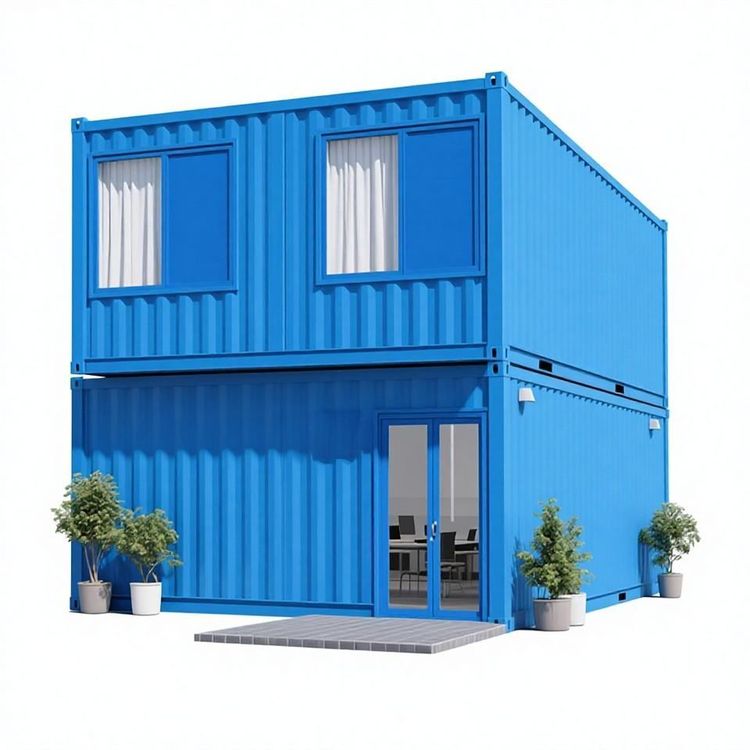
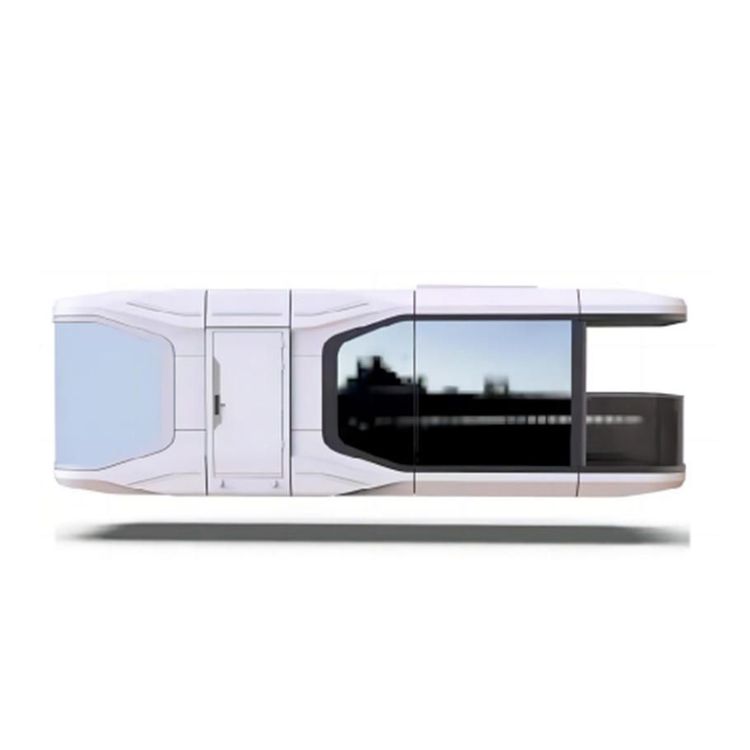
Environmental Residential Container House
The environmental residential container house is a mobile living space formed by the eco-friendly transformation of discarded containers, featuring characteristics such as recycling, flexible deployment, and low-carbon energy efficiency. However, attention should be paid to structural safety, living comfort, and compliance.

1. Environmental Characteristics and Material Utilization
The core environmental value of residential container houses lies in the reuse of discarded resources. Their main structure adopts the steel framework of retired shipping containers, enabling recycling through transformation and reducing construction waste generation. For example, the products of Yunnan Hongfeng Container Co., Ltd. can have a service life of up to 50 years. Its process, through a strict quality control process, makes the modular building close to fixed buildings in terms of thermal insulation and wind resistance while reducing the consumption of traditional building materials. In addition, some enterprises use eco-friendly materials such as rock wool sandwich panels to fill the walls, which not only improve thermal insulation performance but also avoid the release of harmful substances.
2. Functional Adaptation and Scenario Applications
The environmental friendliness of container houses needs to be combined with functional requirements. For example:
- Temporary living scenarios: Such as construction site dormitories and event support housing. Factory prefabrication reduces on-site wet operations, shortens the construction cycle, and reduces noise pollution. Although the Nagoya Asian Games adopted container dormitories due to budget issues, which sparked controversy, their modular assembly method still demonstrated the advantage of rapid deployment.
- Long-term living scenarios: It is necessary to strengthen the thermal performance compensation mechanism. Enterprises in Hohhot use a three-layer construction design (outer layer of galvanized sheet, middle layer of rock wool insulation, and inner layer of PVC-coated steel plate) to reduce indoor temperature fluctuations. Combined with an elevated floor to block the cold bridge conduction from the ground, it improves living comfort in severely cold regions in the north.
3. Technical Standards and Performance Guarantees
Environmental protection does not mean lowering standards; it is necessary to meet structural safety and durability requirements:
- Wind and earthquake resistance: The packing boxes of Suzhou Zhongnan Steel Structure Co., Ltd. have a frame deformation rate of only 0.18% under simulated conditions of a Category 12 typhoon and a magnitude 8 earthquake, far below the industry's qualified threshold of 0.3%.
- Environmental compliance: Regular enterprises need to provide material testing reports to ensure that steel and insulation materials comply with the "Building Material Quality Standards" and avoid issues such as formaldehyde exceeding the standard or structural failure caused by inferior materials.
4. Limitations and Improvement Directions
Currently, environmental residential container houses still face challenges:
- Living comfort: The case of the Nagoya Asian Games shows that narrow spaces, single air-conditioner configurations, and sound insulation issues may affect the user experience. Improvements are needed through optimized layouts (such as flexible furniture) and the addition of sound insulation layers.
- Adaptability to extreme conditions: Non-standard white-label products are prone to wall cracking under typhoon conditions. It is advisable to prioritize products that have passed wind and earthquake resistance tests.